
Table of Contents
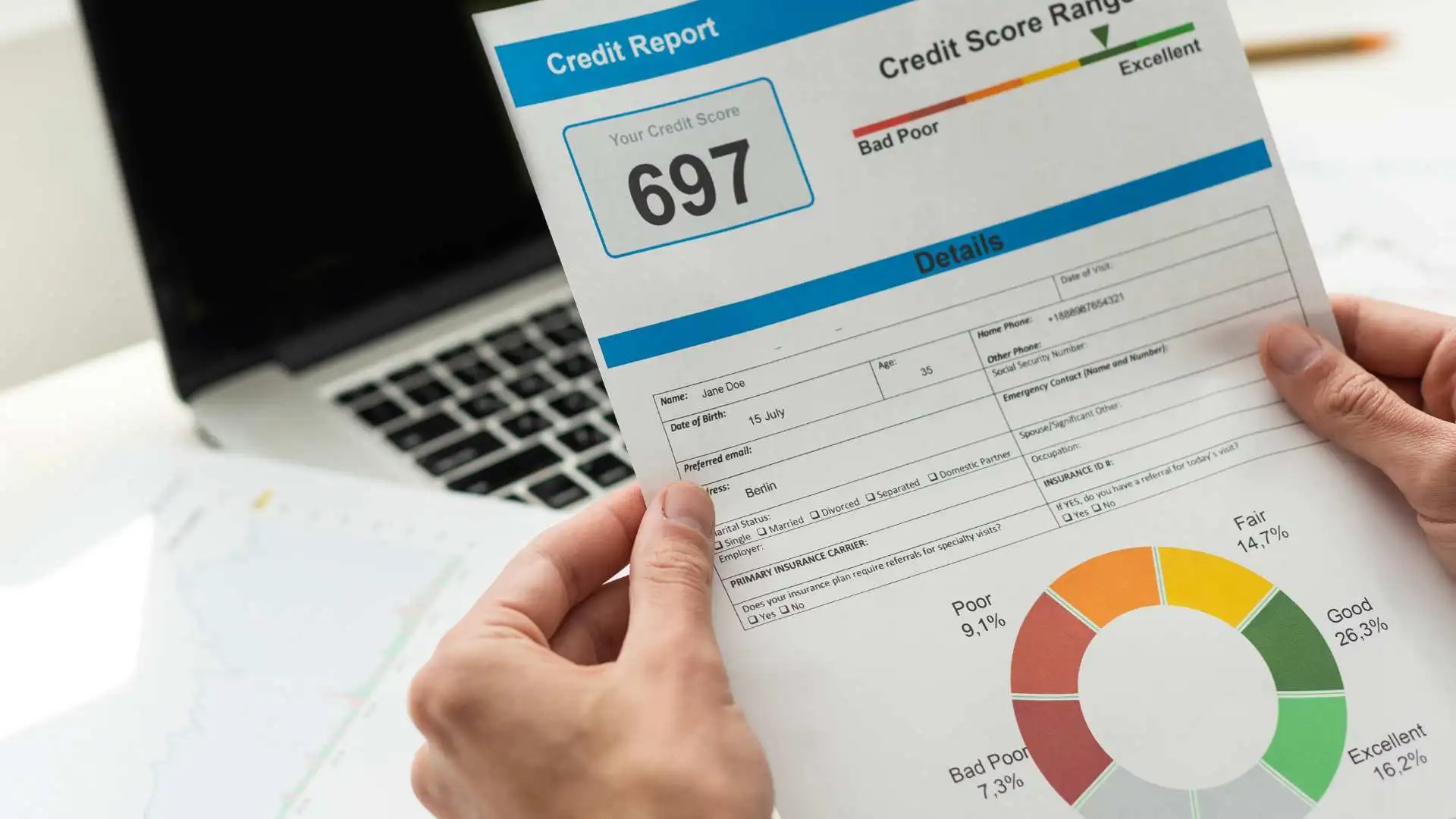
Reading a credit report for the first time can feel intimidating. Pages of numbers, unfamiliar terms, account histories, and cryptic notes often make people close the document before they truly understand what it says. How to Read a Credit Report is not as complicated as it seems, yet many assume that credit reports are designed only for lenders or financial professionals, not everyday consumers. That assumption is wrong.
Your credit report is simply a detailed record of how you have used credit over time. It tells a story about borrowing, repayment, and financial responsibility. Once you know how to read it step by step, the confusion fades quickly. Instead of feeling overwhelmed, you gain clarity, control, and confidence.
A credit builder app like Beem is a financial tool created to help users build, strengthen, or rebuild their credit history over time.
This guide is written to help you read your credit report calmly and clearly, even if you have never looked at one before.
You will learn what each section means, what matters most, what can safely be ignored, and how to spot real problems without panicking. By the end, your credit report will feel less like a judgment and more like a useful financial tool.
What a Credit Report Really Is and What It Is Not
Before diving into the details, it helps to understand the purpose of a credit report.
A credit report is a factual record of your credit-related activity. It tracks how you have used credit products such as credit cards, loans, and lines of credit.
It also shows whether payments were made on time, how much debt you currently owe, and how long accounts have been open.
A credit report is not:
- A grade on your worth as a person
- A prediction of your future behavior
- A permanent record that cannot be improved
It is simply a snapshot of past behavior as reported by lenders and financial institutions. That distinction alone can remove much of the anxiety people feel when reading it.
Also Read: How Everyday Payments Can Help or Hurt Credit: Rent, Utilities, and Subscriptions
Why Credit Reports Feel Overwhelming at First
Most people feel confused by credit reports for three main reasons.
First, the layout is not consumer-friendly. Credit reports are designed for lenders, not readers. Information is packed tightly and repeated in different formats.
Second, unfamiliar terminology creates unnecessary stress. Terms like “charge-off,” “utilization,” or “derogatory” sound worse than they often are.
Third, people tend to focus on negative items first. When emotions take over, it becomes harder to process information logically.
The key to avoiding overwhelm is to read your credit report in the right order, with the right expectations.
How to Prepare Before Reading Your Credit Report
Preparation makes a big difference in how you experience your credit report.
Start by setting aside uninterrupted time. Do not skim it between meetings or late at night. Treat it like reviewing a document that affects your future decisions.
Have a pen and notebook or a digital note open. Write down questions instead of trying to resolve everything instantly.
Most importantly, remind yourself that nothing in the report changes just because you are reading it. You are gathering information, not taking a test.
The Basic Structure of a Credit Report
While layouts vary slightly, all credit reports follow a similar structure. Understanding this structure up front prevents confusion later.
Most credit reports include:
- Personal information
- Credit accounts
- Credit inquiries
- Public records and collections (if any)
Reading each section separately helps you stay focused and prevents mental overload.
Personal Information Section: What to Check and What to Ignore
The personal information section usually appears at the top. This section includes your name, previous names, Social Security number (partially masked), date of birth, and addresses.
This section does not affect your credit score.
Its purpose is identification, not evaluation. Lenders use it to confirm that the credit file is yours.
What to check:
- Correct spelling of your name
- Accurate Social Security number digits
- Current and previous addresses you recognize
What not to stress about:
- Old addresses from years ago
- Minor variations of your name
- Previous employers
Errors here should be corrected, but they are rarely urgent unless they indicate mixed files or identity issues.
Understanding the Accounts Section Without Panic
The accounts section is the largest part of your credit report and the one that causes the most stress. It lists every credit account reported under your name.
This section looks overwhelming because it contains a lot of repeated information. Learning what actually matters makes it manageable.
Types of Accounts You Will See
Accounts are usually grouped by type, such as:
- Revolving accounts (credit cards)
- Installment loans (auto loans, personal loans, student loans)
- Mortgage accounts
- Closed accounts
Each account has its own mini-summary, which includes dates, balances, limits, and payment history.
Key Details to Focus On First
Instead of reading every line, focus on these core details:
- Account status (open, closed, paid, charged off)
- Payment status (current or delinquent)
- Balance owed
- Credit limit or original loan amount
These details tell you whether the account is active, whether it is in good standing, and how it contributes to your credit profile.
Payment History: How to Read the Timeline
Payment history is often displayed as a grid or coded line showing the monthly status.
Common codes include:
- OK or 0 for on-time payments
- 30, 60, or 90 days late
- CO for charge-off
Do not scan this line emotionally. Instead, count patterns.
A few late payments years ago matter far less than recent or repeated delinquencies. Credit scoring models weigh recent behavior more heavily than old mistakes.
Closed Accounts Are Not Automatically Bad
Many people panic when they see closed accounts. Closure alone is not negative. Closed accounts that were paid as agreed continue to contribute positively to your credit history for years. What matters is how the account was handled before it was closed, not the fact that it is closed.
Credit Limits, Balances, and Utilization Explained Simply
One of the most confusing parts of a credit report is understanding balances and limits.
Your report shows:
- Credit limit (for credit cards)
- Current balance
- Highest balance (historical)
The relationship between balance and limit is called utilization. This ratio plays a major role in credit scores, but the report itself simply lists the numbers.
If a card has a $5,000 limit and a $1,000 balance, utilization is 20 percent. Lower utilization generally signals better credit management.
You do not need to calculate utilization for every account. Look for extremes, such as cards that are consistently near their limit.
Understanding Account Status Terms Without Stress
Credit reports use blunt language. Learning what terms actually mean reduces fear.
- Current: Payments are up to date.
- Delinquent: Payment is late.
- Charged off: The lender wrote the debt off as a loss.
- Closed by creditor: The Account was closed by the lender.
- Paid in full: Balance is zero.
These terms describe status, not moral judgment. They are data points, not conclusions.
The Difference Between Negative and Damaging Information
Not all negative-looking items are equally harmful.
A single 30-day late payment from years ago is far less damaging than:
- Multiple recent late payments
- Accounts in collections
- Charge-offs with balances
Understanding severity helps you prioritize actions rather than worrying about everything equally.
How Collections Appear on a Credit Report
Collections often appear in a separate section or alongside original accounts.
A collection account means a debt was transferred or sold to a collection agency after nonpayment.
Important details to review:
- Original creditor
- Collection balance
- Date of first delinquency
- Current status (paid or unpaid)
Older collections matter less over time, especially if resolved. New collections deserve immediate attention.
Also Read: Credit Building After Bankruptcy: Small Steps, Smart Tools, Real Progress
Public Records Section: Why It Is Smaller Than It Used to Be
Public records used to include bankruptcies, judgments, and tax liens. Today, most reports show far fewer public records due to changes in reporting.
If you see a bankruptcy, it will include:
- Filing date
- Chapter type
- Status (discharged or dismissed)
Bankruptcy information can feel heavy, but it does not define your future credit potential. Many people rebuild successfully after bankruptcy.
Understanding Credit Inquiries Without Overreacting
Inquiries show who has accessed your credit report.
There are two types:
- Hard inquiries
- Soft inquiries
Hard inquiries occur when you apply for credit. Soft inquiries occur when you check your own credit or when companies pre-screen offers. Hard inquiries may temporarily and slightly affect scores. Soft inquiries do not affect scores.
Seeing multiple soft inquiries is normal and not a problem.
Why Inquiry Timing Matters More Than Quantity
Multiple hard inquiries within a short time frame for the same type of loan are often treated as one inquiry for scoring purposes. This allows consumers to shop for rates without being penalized excessively. Do not panic if you see a cluster of inquiries from auto or mortgage lenders within a few weeks.
How to Spot Errors Without Obsessing
Errors do happen, but not every unfamiliar item is an error.
Common legitimate surprises include:
- Old accounts you forgot about.
- Store cards opened years ago.
- Medical accounts are processed through different providers.
Potential errors to look for:
- Accounts you never opened.
- Incorrect balances.
- Wrong payment statuses.
- Duplicate accounts.
Write down concerns and verify them calmly rather than immediately assume fraud.
Reading Your Credit Report With a Purpose
Your credit report is most useful when read with a goal in mind.
Different goals change what you focus on.
If You Are Planning a Major Loan
Focus on:
- Recent payment history
- Open balances
- Collections or charge-offs
If You Are Working on Credit Repair
Focus on:
- Accuracy
- Resolution opportunities
- Trends over time
If You Are Monitoring for Identity Theft
Focus on:
- New accounts
- Unrecognized inquiries
- Address changes
Purpose-driven reading prevents overwhelm.
What Not to Worry About When Reading a Credit Report
Some items cause unnecessary stress but have minimal impact.
These include:
- Old inquiries.
- Paid collections from years ago.
- Closed accounts with zero balances.
- Minor address errors.
Not everything needs immediate action.
How Often You Should Read Your Credit Report
Reading your credit report once a year is a good baseline. Reading it more often is helpful during major life events or when rebuilding credit. Regular reviews make reports feel familiar, reducing confusion over time. The more often you look, the less intimidating it becomes.
How Credit Reports Differ From Credit Scores
Your credit report contains raw data. Your credit score is a summary created from that data.
The report explains the “why” behind the score. If your score drops or rises unexpectedly, the report usually explains the reason. Focusing on the report instead of obsessing over the number gives you more control.
Using Your Credit Report as a Financial Planning Tool
A credit report can guide smart financial decisions.
It helps you:
- Identify high-interest debt.
- Track progress over time.
- Decide when to apply for new credit.
- Avoid surprises during applications.
Seeing improvement in your report reinforces positive habits and builds confidence.
How to Stay Calm When You See Negative Items
Negative items trigger emotional reactions. Pause before reacting.
Ask yourself:
- Is this accurate?
- How old is it?
- Is it already resolved?
- Does it require action now?
Separating emotion from evaluation helps you move forward productively.
What to Do After You Finish Reading Your Credit Report
Do not rush into action immediately.
Start by organizing notes:
- Items to verify
- Items to monitor
- Items to address later
Small, steady steps are more effective than dramatic moves.
Building Confidence Through Familiarity
The first time reading a credit report is the hardest. Each time after that becomes easier.
Familiarity reduces fear. Understanding replaces confusion.
Your credit report stops being a source of anxiety and becomes a tool for progress.
Final Thoughts on How to Read a Credit Report
Reading a credit report does not require financial expertise. It requires patience, perspective, and a step-by-step approach.
You do not need a perfect report to benefit from understanding it. You only need clarity.
When you stop viewing your credit report as a verdict and start seeing it as information, overwhelm fades. Confidence grows. Decisions improve.
Download Beem now; the credit-building apps are designed to support steady credit growth by reporting responsible activity and encouraging healthy financial habits.
Your credit report is not there to intimidate you. It is there to inform you. Once you learn how to read it calmly and clearly, it becomes one of the most useful financial documents you have.