
Table of Contents
Back-to-school shopping has a way of sneaking up fast. One moment you’re buying notebooks, the next you’re juggling clothes, electronics, supplies, and activity fees—often across multiple retailers. Prices vary wildly, and checking every store manually takes more time than most parents or students can spare.
This is where small price gaps add up. Two backpacks that look identical can differ in cost, return policies, or hidden fees depending on where you buy them. Without clear comparisons, it’s easy to overpay simply because you checked out too quickly.
PriceGPT helps compare retailers before you tap “Checkout,” flagging price differences and unexpected costs in the background. When paired with DealsGPT for discounts and BudgetGPT for spending visibility, back-to-school shopping becomes calmer, faster, and more intentional.
In this blog, we’ll show how PriceGPT helps families and students shop smarter—without turning back-to-school season into a budgeting headache.
The Back-to-School Pricing Trap
Back-to-school season often comes with special displays and loud discount signs. But sometimes those discounts sit on top of seasonal markups. A backpack labeled “25% off” may actually cost more than it did two months earlier. The sale looks appealing, while the real price hides quietly underneath it.
Another trap comes from bundles. A set that includes notebooks, pens, and markers seems convenient. However, it might also include items that will never be used. Limited-time messages then add more pressure. “Only 3 left” or “Deal ends tonight” can push shoppers to complete checkout before comparing properly.
PriceGPT slows that rush so shoppers look at the actual cost, not just the label printed beside it.
What Needs Comparison Before You Buy?
Back-to-school shopping is rarely about one item. It is usually a mix of supplies, electronics, and clothing, all with different price patterns. This is why a quick comparison helps before checking out. Here’s what needs a closer look before checkout:
- School supplies seem small, but many are repeat purchases. Comparing bundles, pack sizes, and brand alternatives helps avoid paying extra for dozens of items.
- Some items last a year or more, like a backpack or calculator. Others need replacing often, so even small price differences on notebooks or pens can add up over the school year.
- The listed price is not always the final cost. Shipping fees, delivery timing, and taxes can change the total right at the end of checkout.
- Bundle deals sometimes look helpful, but they may include items that won’t actually be used. That means paying more without noticing.
Taking a moment to compare helps keep the budget steady instead of stretched. PriceGPT brings these pieces together so the final checkout feels clearer and more confident, not rushed or uncertain.
Read: How PriceGPT Compares Everyday Prices So You Stop Overpaying Without Thinking About It
How PriceGPT Prepares You Before Checkout?
Before the final click, PriceGPT reviews details that are easy to overlook during busy shopping periods. Here’s how PriceGPT prepares before checkout:
Reading Product Details Accurately
PriceGPT checks the size, model, brand, and features to make sure items being compared are truly the same. A calculator that looks identical may have different functions. A backpack may vary in capacity or material. These small differences can change value, so the comparison stays accurate rather than misleading.
Accounting for Total Purchase Cost
PriceGPT also reviews shipping fees, delivery timing, possible taxes, and return policies. A low price can lose value if returns are costly or shipping is slow. These details are important when budgets and timelines are tight.
Together, these steps make the decision far calmer. Instead of rushing or second-guessing, shoppers see the real difference between retailers clearly.
Comparing Major Back-to-School Categories

Different school-related categories move in different pricing patterns, so comparing them separately helps. Here are some major expenses:
School Supplies
PriceGPT reviews notebooks, backpacks, paper, pens, and bulk packs across stores. Sometimes large packs cost less per unit, but not always. The tool checks whether the pack actually saves money or if buying smaller quantities works out better in the long run.
Electronics and Devices
Laptops, tablets, calculators, and accessories can jump in price during the school season. “Student discounts” sometimes sound impressive, yet the original price may already be inflated. PriceGPT compares the same models across retailers, so these differences don’t slip past unnoticed. This way, families see the real value instead of just the discount label.
Clothing and Footwear
Uniforms, shoes, and seasonal clothing can vary a lot in both quality and cost. Some cheaper pieces may wear out faster, while stronger materials last the whole year. PriceGPT helps balance durability with price, so the decision isn’t only about finding the lowest number, but choosing what makes sense for daily wear.
When each category is compared clearly, shopping feels calmer. You see where it makes sense to save and where quality truly matters, instead of guessing at checkout.
How PriceGPT Ranks Retailers for Your Cart?
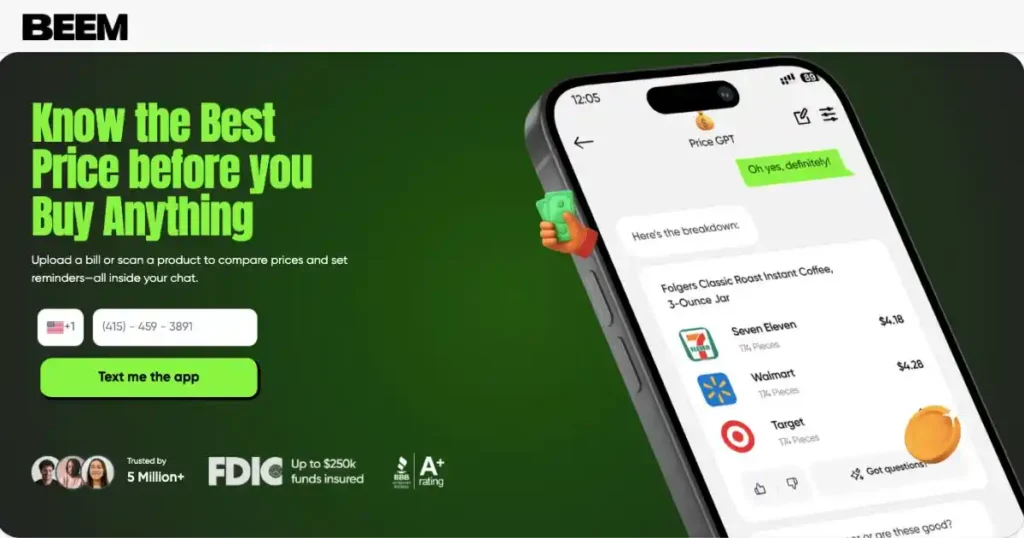
PriceGPT looks beyond single items. It reviews the entire shopping cart to help identify the best value across stores. Here’s how PriceGPT helps compare clearly:
- PriceGPT compares the total cost of your full cart across stores, so the result matches what you’ll actually see at checkout, not just the price of one item.
- Removes confusing price noise so parents and students can make decisions without scrolling through endless tabs and mixed messages.
- The tool checks bundle pricing against individual items, helping you see when a bundle is truly cheaper and when it quietly costs more.
- Turns scattered prices into a straightforward comparison, making the process clearer and calmer.
- PriceGPT keeps track of small differences that add up, so tiny price gaps don’t slip past unnoticed across several items.
With everything pulled into one clear view, the decision becomes calmer.
Check this out: How PriceGPT Integrates with DealsGPT for Maximum Savings?
Avoiding Last-Minute Checkout Mistakes
Rushed checkout decisions often lead to overspending. Timers, “low stock” messages, and busy schedules can push shoppers to pay more than planned. Here’s where PriceGPT helps avoid those mistakes:
- Shoppers sometimes pay more because the purchase feels urgent and they want to finish quickly, but the tool slows that rush with real numbers.
- Return flexibility gets ignored when the cart is full, but PriceGPT reminds buyers to check whether an item can be exchanged or refunded easily.
- Fear of stock running out can lead to buying more than is truly needed, and the tool helps separate real necessity from pressure-based decisions.
With fewer last-minute surprises, shopping feels steadier. You still get what is needed for school, but with clearer choices and fewer regrets after checkout.
Shopping Smarter as a Family or Student
Back-to-school shopping often means multiple people have needs at once. Books, clothes, devices, and extras pile up, making it hard to track what has been bought. PriceGPT keeps everyone aligned by comparing prices for all items together.
Managing shared carts and budgets is simpler when the total is clear. Families and students can see how each item affects the final cost. This helps avoid accidental duplicate purchases. It reduces stress and turns guesswork into organized planning.
Privacy and Data Protection
PriceGPT is designed to keep shopping data secure. The focus remains on the price of items, not on who is buying them, so comparisons stay useful without exposing personal details. Data is used only for matching products and checking fair prices.
There is no tracking beyond the comparison itself. Recommendations stay transparent and are based on real pricing, which helps shoppers feel safe while still gaining honest, helpful guidance before checkout.
Building Better Seasonal Shopping Habits
Seasonal shopping does not end after school starts. Similar patterns appear during holidays, travel seasons, and big sales events. Here’s how those lessons continue to help:
- Comparing prices before checkout becomes a natural habit, which reduces the chance of paying extra just because something appears urgent or limited.
- Looking at the full cart total instead of single items keeps the budget steady, especially when buying several things at once across different categories.
- Understanding the difference between “want” and “need” gets easier when prices and value are clear before paying for anything online or in-store.
- Seeing the total cart value instead of one item at a time helps buyers think clearly about bigger patterns in their spending.
When these habits build slowly, seasonal shopping feels calmer instead of rushed. PriceGPT supports that process by making comparisons easier, so smart buying becomes a steady, year-round practice rather than a one-time effort.
Conclusion: Compare First, Checkout Second
Back-to-school spending doesn’t have to feel rushed or regret-filled. When prices shift quickly and promotions vary by retailer, the biggest savings come from seeing the full picture before you check out.
PriceGPT helps prevent overpaying by highlighting better options and hidden fees in real time. Combined with DealsGPT for extra savings and BudgetGPT to keep seasonal spending in check, Beem turns a high-pressure shopping period into a controlled one. If expenses pile up unexpectedly, Beem’s Instant Cash Advance offers short-term support without overdraft stress.
Smarter back-to-school shopping starts with better information. Download the Beem app from the Google Play Store or the Apple App Store and make every checkout decision a confident one.
FAQs
Can PriceGPT compare prices across online and local retailers?
Yes. PriceGPT reviews prices from online retailers and available local store listings, then compares them so shoppers see a clearer picture before checkout. This helps avoid paying more simply because one store looks convenient at the moment.
Does PriceGPT factor in shipping and returns?
Yes. PriceGPT considers shipping fees, delivery times, and return policies. This way, the lowest “display price” shows extra costs upfront. This keeps the comparison realistic instead of surprising you at the final payment screen.
How accurate are back-to-school price comparisons?
PriceGPT uses current pricing data and updates it frequently. This helps avoid outdated numbers. Shoppers can trust that the total shown reflects what they will likely pay.
Can PriceGPT handle bulk or list-based shopping?
Yes. PriceGPT compares single items, bundles, and bulk packs to find the best savings. This is especially useful for long school lists, where small price differences can add up.
Is my shopping data kept private?
Yes. PriceGPT anonymizes shopping activity and only uses it for price comparisons. Personal identity and behavior are not tracked or sold, ensuring that price guidance remains helpful and private.