
Table of Contents
Saving money while shopping online or in stores has become a game of tools and tactics. Two popular approaches have emerged: cashback apps that give you money back after purchase, and intelligent price comparison tools that help you avoid overpaying in the first place. But which one truly reduces your overall spending?
Cashback apps reward you after you buy — typically a small percentage of your purchase — which can feel like a win. But if you paid too much upfront, that cashback doesn’t always make up the difference. Meanwhile, AI-powered price comparison tools analyze pricing in real time across multiple sellers, helping you avoid paying inflated prices before you click “Buy.”
PriceGPT brings AI intelligence to price comparison, spotting where products cost more than they should and highlighting better alternatives in seconds. Cashback apps may give you partial refunds later, but they don’t show you whether the base price was fair to begin with.
When combined with savings opportunities from DealsGPT and financial insight from BudgetGPT, PriceGPT helps you reduce your real spending — not just chase refunds.
In this blog, we’ll explore how PriceGPT compares with cashback apps and which approach truly helps you keep more of your money.
Why Saving Money Feels Confusing Even When You Use Apps?
Most savings apps display positive numbers. Cashback trackers, discount alerts, and reward dashboards promise progress. Yet, spending often feels the same. The apps show gains, but monthly expenses don’t always match.
Discounts and rewards create a feeling of savings without lowering upfront costs. Money is debited from the account first, while benefits are credited later. This delay makes it tough to see if costs are truly lower or just postponed.
Real spending reduction centers on what is paid upfront. When tools mix that up, savings seem real but may not always be.
Read: Why Every Smart Shopper Needs Purchase Intelligence?
How Cashback Apps Are Designed to Work?
Cashback apps are created to reward spending after it happens, not to reduce it beforehand. They focus on activity and participation, which shape how savings are perceived here. Here’s how cashback works:
How Cashback Apps Are Designed to Work?
Cashback apps are built to reward spending after a purchase. They do not guide choices before buying. Rather, they focus on the future, which affects their perception of savings. Here is how cashback usually works.
The Cashback Model and How Rewards Are Earned
Cashback is available only after a purchase is made through a specific store or link. A small percentage of what you paid is paid back to you. Most programs are subject to restrictions, wait times, or minimum balances before you can redeem your rewards.
Why does cashback feel like savings even when spending increases?
Refunding money is a relief. When the reward is anticipated, the price tends to be more acceptable. Over time, this perception might lead to increased expenditure despite a gradual rise in overall costs.
Common Limitations of Cashback Programs
Most cashback programs include conditions that are easy to miss. Rewards can take a long time to be received and can apply to some stores only. These rules affect how useful the savings actually are.
When viewed together, cashback apps reward buying more than buying wisely. They can help in some cases, but they do not naturally guide spending decisions before money is spent.
Check this out: How Purchase Intelligence Helps You Compare “Want” vs “Need” in Real Time
What Beem PriceGPT Does Differently?
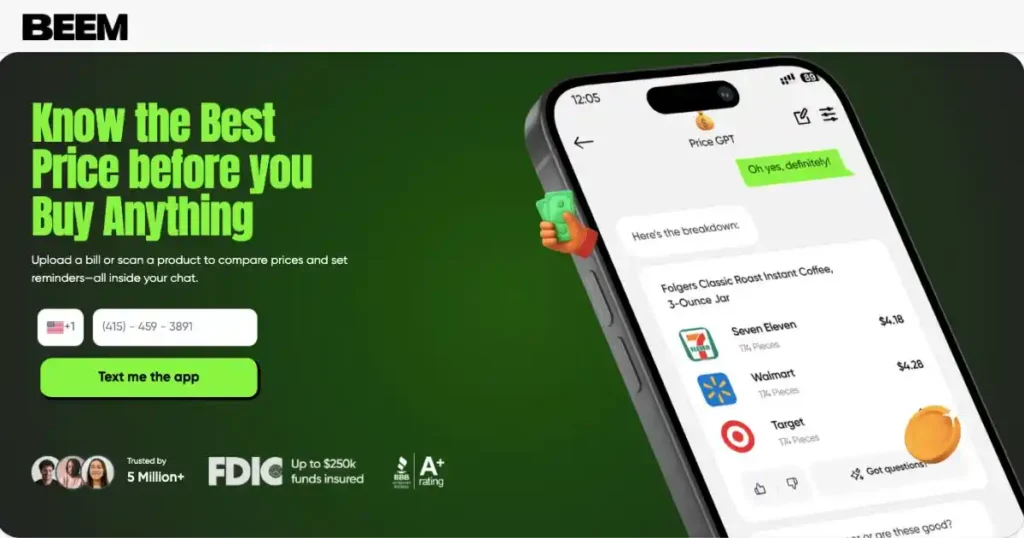
Beem PriceGPT offers a fresh take on spending. It focuses on raising awareness before you spend money, rather than rewarding you afterward.
Instead of pushing for purchases, PriceGPT highlights price differences up front. It works during the decision-making process, not just after payment.
PriceGPT helps you compare prices at different stores. You can scan receipts, enter product details, or paste product links. This emphasizes cost before checkout, allowing you to rethink your spending choices.
How PriceGPT Reduces Spending at the Decision Stage?
Most spending decisions happen before checkout, often in brief moments of choice. PriceGPT focuses on this step and can change what you buy and how much you pay. Here’s how PriceGPT reduces spending:
Detecting Price Differences Across Stores and Time
PriceGPT shows when the same item costs more at one store than at another. It also reveals how prices change over time. Seeing these differences helps guide where and when purchases are made. When gaps are clear, decisions tend to adjust naturally.
Preventing Overpayment Instead of Rebating It Later
Avoiding overpayment cuts spending right away. Paying less up front keeps more money in the account from the start. This approach differs from rewards that come later, which don’t affect what has already been paid.
Reducing Impulse Spending Through Price Context
Impulse spending often occurs when people see prices in isolation. PriceGPT adds context by showing alternatives and price ranges. When a price seems unusually high, it causes hesitation. This pause often leads to skipping the purchase or choosing a cheaper option instead.
Cashback vs Price Comparison: How Each Affects Behavior
Both tools influence behavior, but they push users in different directions. One encourages transactions, while the other encourages selectivity. This small difference shapes behavior over time here.
Cashback encourages transactions.
Cashback apps work best when purchases happen often. More spending creates more rewards. The system quietly favors frequency and volume. This can increase engagement but also raises the chance of unnecessary purchases justified by small returns.
Price Comparison Encourages Selective Spending
Price comparison tools affect the moment before buying. Seeing another store with a lower price or a better option creates hesitation. This pause often leads to waiting, choosing something cheaper, or walking away.
Read: Intelligent Spending When You Have Kids, Pets, and a Tight Budget
Real Spending Scenarios Where the Difference Becomes Clear
Every day spending habits show the difference between tools better than features ever could. Daily purchases reveal where money adds up and which approach keeps costs under control.
Groceries and Household Essentials
Shopping for groceries is a regular purchase. A small price difference in milk, cleaning supplies, or snacks impacts the total bill each week. Lower upfront prices matter more than small cashback that comes later.
Online Shopping and One-Time Purchases
Cashback promotions can drive additional online purchases. Items feel justified since money returns later. A price comparison shows whether the purchase was necessary or just a discount. Many one-time buys fade away after that pause.
Subscriptions and Recurring Costs
Subscriptions renew with little attention, and cashback rarely applies to these renewals. Price comparison reveals cheaper plans or better options, cutting ongoing costs that rewards often miss.
In these scenarios, being aware of upfront prices consistently reduces spending more effectively.
When Do Cashback Apps Still Make Sense?
Cashback apps are not always a bad choice. In some situations, they help reduce the final cost without affecting how or why a purchase is made. Those situations matter here.
Planned Purchases With Fixed Pricing
Cashback works best when the price is already decided. Travel tickets, subscriptions, or service payments usually cost the same everywhere. Since there is no cheaper option to switch to, the purchase would happen anyway. In these cases, cashback simply lowers the amount paid without encouraging extra spending.
Stacking Cashback With Price Awareness
Cashback becomes more useful when it follows price checking. Looking at prices first helps avoid overpaying. Once the lowest price is chosen, cashback adds a small benefit. This keeps spending decisions clear and avoids buying something just for the reward.
PriceGPT vs Cashback Apps for Long-Term Budget Control
Long-term control depends on habits, not occasional rewards. Tools that shape behavior tend to create steadier outcomes.
Visibility into what you actually spend
PriceGPT sharpens spending awareness by scanning receipts to track real purchases. Over time, it clarifies categories, frequency, and price changes. This visibility makes spending feel less abstract and more manageable, aiding better planning month after month.
Avoiding the Illusion of Savings
Cashback rewards can create a false sense of progress, even if total spending stays high. Earning money back does not change what’s left in the account. Net spending affects a budget, not later rewards. PriceGPT focuses on the final amount paid, helping avoid mixing rewards with real savings.
Which Tool Is Better For Different User Types?
People save money in different ways, usually based on how they shop. Some enjoy looking for deals, while others focus on keeping spending steady. These habits matter more than labels and help explain which tool works best in different situations.
Frequent Shoppers and Deal Seekers
Deal seekers enjoy rewards and promotions. Cashback is satisfying but may lead to more purchases. The reward can make spending feel justified, even for unplanned buys. Without price awareness, spending can quietly rise despite visible rewards.
Budget-Conscious and Cost-Aware Users
Cost-aware users focus on the final amount they pay. Price comparison tools suit this mindset by showing cheaper options before checkout. This helps keep decisions grounded and reduces overpaying. Spending stays controlled since savings happen upfront.
When shopping behavior guides the choice, the difference is clear. Cashback boosts activity, while price comparison supports careful spending habits.
This may interest you: How AI Can Turn Raw Transaction Data Into Clear, Actionable Money Advice?
Final Verdict: Reducing Spending Starts Before You Pay
Cashback apps feel rewarding — but they only give a small slice of the picture. If you overpaid for an item, earning 1–5% back may soften the blow, but it doesn’t necessarily reduce your total cost. You still paid too much upfront.
PriceGPT works differently. Instead of rewarding you after the fact, it helps you avoid overpaying in the first place by comparing live prices across retailers and flagging inflated costs before you transact. When you pay the right price — not just a discounted one — you genuinely reduce spending, not just recoup part of it later.
Layering price-savvy decisions with deals surfaced by DealsGPT and broad spending context from BudgetGPT gives you a complete toolkit for smarter shopping. And if timing gaps or tight cash flow emerge, Beem’s Instant Cash Advance provides short-term flexibility without overdraft fees, helping you avoid costly borrowing choices.
Real savings don’t come from refunds — they come from better decisions before you pay.
Download the Beem app now on the Apple App Store or the Google Play Store and let PriceGPT help you reduce real spending every time you shop.
FAQs
Do cashback apps actually save money or just reward spending?
Cashback apps reward spending after it happens. They reduce cost slightly but rarely prevent purchases. Real savings depend on lower upfront prices, not rebates.
How does PriceGPT help reduce spending compared to cashback apps?
PriceGPT works before checkout by showing price differences. This prevents overpayment and reduces spending immediately rather than rewarding it later.
Can PriceGPT and cashback apps be used together?
Yes. PriceGPT should come first to secure the lowest price. Cashback can then add value without encouraging extra spending.
Which option is better for long-term financial habits?
Tools that influence decisions before spending tend to reduce costs more consistently. Price awareness supports stronger long-term habits than rewards alone.
Is PriceGPT useful for everyday purchases or only big items?
PriceGPT is great for regular items such as groceries and household goods. Even small price differences can add up over time.