

Table of Contents
Home improvement projects rarely cost just what you estimate. A simple weekend DIY upgrade can quickly expand from paint and brushes to power tools, hardware, fixtures, safety equipment, and unexpected add-ons. Whether you’re renovating a bathroom, upgrading lighting, or tackling seasonal maintenance, material costs can fluctuate dramatically between retailers.
The problem isn’t just rising prices — it’s price variation. The same drill, faucet, or gallon of paint can be priced differently across stores, and seasonal demand often triggers temporary spikes. Without comparing options in real time, homeowners may overspend without realizing it.
That’s where PriceGPT helps. Instead of checking multiple hardware stores manually, PriceGPT compares live pricing across retailers in seconds, helping you:
- Find better prices on tools and power equipment
- Compare fixtures like faucets, lighting, and hardware
- Evaluate DIY materials such as lumber, paint, flooring, and tiles
- Detect inflated pricing during peak renovation seasons
When combined with DealsGPT to uncover promotions and BudgetGPT to track project spending against your overall financial plan, you gain clarity before costs spiral.
In this guide, we’ll explore how PriceGPT helps homeowners reduce home improvement expenses while still achieving high-quality results.
Why Home Improvement Budgets Almost Always Go Over?
Home projects often start with a simple goal and a clear budget. Yet, costs can rise as new details come to light. A shelf may need anchors, walls might require repair, and tools become essential.
Spending rarely happens all at once or at a single store. Supplies are bought over time, sometimes under pressure, with prices changing by location, timing, and availability. Budgets stretch not because of poor planning, but because urgency limits comparison.
When work needs to keep moving, convenience feels necessary. Small price differences add up quietly. By the end of the project, the final cost can feel unexpectedly heavy.
Read: How PriceGPT Compares Everyday Prices So You Stop Overpaying Without Thinking About It
Understanding How Home Improvement Costs Add Up
Home improvement projects rarely involve a single purchase. Costs build gradually as tools, materials, and small add-ons are bought at different stages. Each decision feels reasonable on its own, but together they shape the total here.
One-Time Tools That Feel Permanent but Get Replaced
Many tools are purchased with the expectation that they will last throughout the project. As work continues, limitations appear. A tool may not fit properly, lack power, or become unavailable. Replacing it feels necessary to keep moving, even when it was not planned.
Fixtures and Finishes With Wide Price Ranges
The prices of fixtures and finishes can vary widely, even though they serve the same purpose. Lighting, faucets, and fittings might look similar but vary in price. It is simple to pay more when one is not checking.
Materials That Fluctuate by Store, Timing, and Demand
Other items, such as lumber, paint, and fasteners, vary in price depending on both demand and time of the year. Costs can be influenced by seasonal fluctuations and store prices, so the same product may cost more at different times and places.
These factors explain why costs rise, even when each choice seems reasonable.
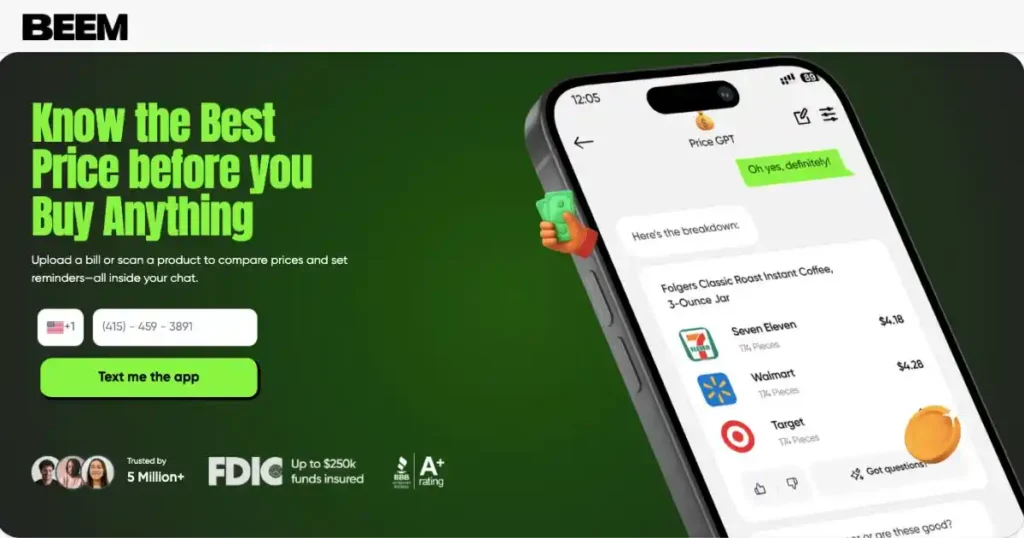
Introducing Beem’s PriceGPT for Smarter Home Project Decisions
Home improvement requires momentum. Stopping to compare every item manually slows progress. PriceGPT will fit in this environment without creating a disturbance.
PriceGPT assists customers in comparing product prices across stores by scanning receipts, entering product details, or pasting product links. This approach does not replace routine activities; instead, it complements them.
Instead of guessing whether a price makes sense, homeowners gain quick context. That context supports better decisions without halting work.
How PriceGPT Fits Into the Home Improvement Project Lifecycle?
Home projects move through clear phases, even if plans shift. PriceGPT fits naturally into each stage, helping to keep costs steady from idea to final touch. Here’s how PriceGPT fits into a home improvement project:
Planning and Estimation Before the First Purchase
During planning, PriceGPT helps compare tools and materials before any money is spent. Early awareness of prices creates realistic expectations, prevents overcharging on initial costs, and helps projects start with confidence rather than hasty assumptions.
Mid-Project Adjustments Without Budget Shock
Unexpected needs often arise during work. A missing part, a better tool, or extra materials can seem urgent. PriceGPT assists in quick comparison of the choices, avoiding panic buying that diverts the budget off track.
Wrap-Up Purchases and Finishing Touches
Final fixtures often come with convenience premiums. Hardware, trim, or replacement parts are purchased hastily to complete the project. PriceGPT verifies whether these prices reflect actual value or end-of-day hikes and makes informed decisions.
By aligning with each phase, PriceGPT supports smoother progress.
How PriceGPT Compares Tools, Fixtures, and Materials in Practice?
Home improvement choices are easier when prices are viewed in context. PriceGPT emphasizes real use and timing, making this practical view valuable. Here’s how PriceGPT compares:
Comparing Tool Prices Across Brands and Retailers
PriceGPT shows when a higher price means better quality or durability. It also helps determine where you are overpaying for a brand name. Comparing similar products across different stores will help you get good performance without overpaying.
Evaluating Fixture Pricing Without Being Swayed by Design Labels
Uploading fixture details uncovers similar designs at lower prices. Many fixtures differ mainly in labels or finishes, not function. PriceGPT highlights alternatives that offer the same look and quality without the high cost.
Learning From Past Purchases Using Receipt Scanning
Scanning receipts shows where projects went over budget. These insights help homeowners adjust future purchases and avoid repeat overpayment, leading to clearer expectations for the next project.
By grounding comparisons in real situations, PriceGPT supports confident decisions.
Common Overpayment Traps in DIY and Renovation Projects
DIY and renovation work usually picks up speed quickly. Most extra costs come from pressure and timing, not poor choices. These patterns will help you make good choices. Here are some areas where you might overspend:
Urgency Purchases at the Nearest Store
When a project is open, convenience becomes tempting. The closest store feels like the fastest solution, especially when work cannot pause. Prices at nearby locations are often higher, and urgency makes those differences easier to overlook.
Contractor and In-Store Recommendations Without Comparison
Recommendations feel trustworthy because they come from experience. However, suggested tools or materials may not be the best-priced option. Without comparison, convenience and familiarity can quietly increase project costs.
PriceGPT vs Traditional Home Improvement Shopping Habits
Most home projects rely on familiar routines, especially when time is tight. Those habits feel comfortable, but they can quietly shape costs, and understanding that difference becomes useful. Here’s the key difference:
Why Store Loyalty Can Increase Project Costs
Sticking to one retailer limits price visibility. Prices feel normal because alternatives are unseen, even when the same tools or materials cost less elsewhere. Familiar aisles save time, but they can hide better value.
How Price Awareness Improves Project Decisions
Price awareness adds flexibility without slowing progress. PriceGPT shows where prices differ, allowing quick adjustments when it makes sense. Decisions stay practical, and momentum continues without paying more simply out of habit.
Check this out: How PriceGPT Integrates with DealsGPT for Maximum Savings?
Who benefits most from using PriceGPT for home improvement?
Home improvement needs differ, but some situations benefit more from price awareness. Projects with repeated purchases or shifting plans find PriceGPT especially helpful. Here’s who has benefited from using PriceGPT:
- Homeowners Managing Ongoing Projects
Homeowners managing projects can view price differences before making a purchase. This ensures that the cost of homes in the long run does not increase unnoticed.
- Renters Making Temporary Improvements
Renters making small upgrades avoid overpaying for items that won’t move with them after the lease ends.
- DIY Enthusiasts Working in Stages
DIY enthusiasts often work in phases, so comparing prices over time helps prevent repeated overpayment on tools and materials.
Long-Term Value of Smarter Home Improvement Spending
Home projects rarely stand alone. Each decision shapes future repairs, upgrades, and maintenance, so thoughtful pricing today creates lasting value that extends well beyond a single finished project here.
Completing Projects Without Financial Regret
When prices are checked and choices feel grounded, the end of a project brings relief instead of second thoughts. There is satisfaction in knowing the work was done well without quietly overpaying for tools, materials, or finishes.
Building Cost Awareness for Future Maintenance and Upgrades
Insights gained from one project carry forward. Understanding price differences and true value makes future repairs and upgrades feel easier and less stressful.
When spending is mindful, home improvement becomes more satisfying. Each project boosts confidence, making future decisions simpler and ensuring progress without extra financial burden.
Also read: Stop Paying the “Lazy Tax”: How DealsGPT & PriceGPT Automate Savings
Final Thoughts: Home Projects Succeed When Costs Stay Predictable
Home upgrades add value to your space — but they shouldn’t quietly drain your budget.
With PriceGPT, you can compare tools, fixtures, and DIY materials before purchasing, ensuring you’re not paying unnecessary markups. Even modest savings on multiple items — from drills to light fixtures to paint — can significantly lower total project costs.
Layer in discounts from DealsGPT and structured planning through BudgetGPT, and your renovation decisions become more strategic and cost-conscious.
If unexpected repair needs arise mid-project, Beem’s Instant Cash Advance provides short-term flexibility without the burden of overdraft fees or high-interest borrowing — helping you stay on track without financial stress.
Smart renovations aren’t just about better designs — they’re about better buying decisions.
Download the Beem app today from the Apple App Store or the Google Play Store and let PriceGPT help you improve your home without overspending.
FAQs
Can PriceGPT help compare tools across different home improvement stores?
Yes. PriceGPT compares tool prices from many retailers. It helps you find fair value without manual checks or long research during projects.
Is PriceGPT useful during an active renovation project?
Yes. It helps you verify prices quickly, so you avoid overpaying due to urgency while keeping your workflow steady.
Does PriceGPT help with both small DIY tasks and large renovations?
Yes. PriceGPT adjusts easily to fit single repairs, room updates, and larger renovation timelines.
Can homeowners use PriceGPT to review past project spending?
Yes. Receipt scanning shows where costs rose unexpectedly, helping homeowners learn from past projects and plan future ones better.
Is PriceGPT better than relying solely on in-store advice?
PriceGPT enhances expertise by providing price context. It ensures recommendations align with fair market value, not just convenience pricing.