
Table of Contents
You’ve added the item to your cart. The reviews look good. The discount badge says “Limited Time Offer.” Everything seems right — until you realize later that you could have paid less somewhere else.
Overpaying rarely feels obvious in the moment. Retailers use dynamic pricing, flash sales, personalized offers, and urgency messaging to influence buying decisions. The result? Many shoppers complete checkout without knowing whether the price is fair, inflated, or temporarily spiked.
That’s where PriceGPT acts as your pre-checkout safeguard.
Instead of relying on marketing labels or manually opening multiple tabs, PriceGPT compares live prices across sellers in seconds. It helps you:
- Identify if the current price is higher than market averages
- Spot better-priced alternatives across retailers
- Detect artificial discounts where the “sale” price isn’t truly a deal
- Avoid paying premium markups during peak demand
When paired with DealsGPT to uncover additional offers and BudgetGPT to evaluate how the purchase fits into your monthly spending plan, you gain a complete picture before committing.
In this blog, we’ll explore how PriceGPT helps you catch overpriced products before checkout — so you protect your budget with every purchase.
Why Overpaying Happens Right at the Checkout Moment?
By the time checkout arrives, energy is low. Decisions have already been made. The product is chosen, the need feels justified, and the focus shifts to completion. At that stage, price comparison feels like backtracking.
Urgency plays a role. Limited stock messages, expiring discounts, and delivery cutoffs push buyers forward. Fatigue plays a role, too. After reviewing options, restarting the comparison feels exhausting.
Fear of missing out seals the moment. The idea of losing availability or convenience outweighs the discomfort of a slightly higher price. Overpayment becomes the cost of closure, not a conscious choice.
Check this out: How PriceGPT Integrates with DealsGPT for Maximum Savings?
What “Overpriced” Really Means in Today’s Shopping Environment
Overpriced rarely means the highest number on the page. It usually reflects missing context around timing, available alternatives, and how the price has behaved recently, not just what is shown at checkout. Here is where the idea becomes clearer and more useful to understand.
Price vs Value vs Market Norm
A product might seem expensive, but it can be worth the price if it offers quality, durability, or reliability. Also, an average-priced product can be overpriced when similar products cost less.
How Dynamic Pricing Blurs Price Fairness
Prices change often based on demand, location, and timing. This makes it difficult to seek a stable reference point. When the same commodity has different prices over a short period, it’s tough to tell whether the price reflects true value or just short-term inflation.
Why Traditional Price Checks Fail Before Checkout?
Many people try to keep an eye on prices, but overpayment can still happen. This often occurs because the checking process becomes tiring and confusing right at the end. Here is where those quiet breakdowns start to happen and why they matter.
Single-Store Price Anchoring
The first price seen often becomes the mental reference point. Even if other options appear later, that initial number shapes perception. When the anchor price is high, a discounted price will be appealing even though the discount is cosmetic.
Time Pressure and Decision Fatigue
Each comparison drains energy. Switching tabs, scanning specs, and reading fine print add friction. Eventually, the desire to finish outweighs the desire to optimize. At that point, the current price feels “good enough,” even when better options exist.
Discounts That Mask Higher Base Prices
Visible discounts draw attention away from base pricing. A crossed-out number creates reassurance, even if the original price is inflated. The discount becomes the story, not the actual value.
These limitations explain why careful shoppers still overpay at checkout.
Introducing Beem’s PriceGPT as a Pre-Checkout Price Filter
PriceGPT sits between intention and payment. It does not interrupt shopping. It validates pricing before commitment.
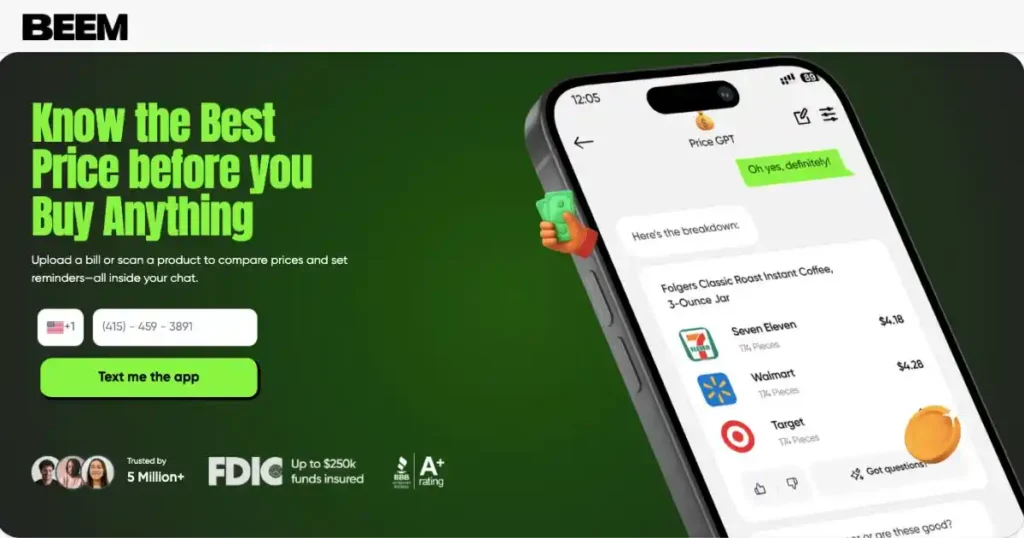
PriceGPT helps users compare product prices across stores by scanning receipts, uploading product information, or pasting product links. This comparison adds context without restarting the process.
Instead of asking buyers to work harder, it makes price fairness easier to see. The goal is confirmation, not complication.
This may interest you: What Is JobsGPT and How It Helps You Find the Right Job
How PriceGPT Identifies Overpriced Products in Real Time?
PriceGPT emphasizes simple price awareness. It helps shoppers see whether a price is fair when it appears. Here’s how this clarity works in practical ways.
Comparing the Same Product Across Multiple Sellers
When a product is sold by different sellers, PriceGPT shows those prices side by side. This makes the differences clear and easy to spot. A higher price stands out immediately, revealing overpricing without extra searching.
Detecting Prices That Fall Outside Normal Ranges
Prices generally stay within a familiar range. PriceGPT checks recent pricing trends and identifies when a price rises too high. This signals that something might be wrong rather than fair.
Using Past Purchase Data to Spot Price Inflation
Receipt scanning helps shoppers remember past purchases. By reviewing this data, PriceGPT shows slow price increases on familiar items. This makes it easier to notice gradual inflation before it becomes the norm.
How PriceGPT Fits Into the Checkout Decision Flow?
Overpayment often happens right before payment. Focus drops, and decisions feel final, even without full price confidence. This is where PriceGPT steps in to help in the moment that matters most.
Before Clicking “Buy Now”
Just before the final click, PriceGPT allows a quick price check. This doesn’t interrupt the shopping flow. The product stays selected, the checkout page remains open, and clarity is added to make the decision feel confirmed rather than rushed.
When a Deal Looks Good but Feels Uncertain
Some discounts look appealing but raise doubts. PriceGPT checks whether the reduced price aligns with typical market trends. This makes it easier to spot a real saving versus a number that only looks good.
When Convenience Is Driving the Choice
Convenience often comes with an extra cost that goes unnoticed. PriceGPT shows how much more is paid for speed or ease. This allows for a calm decision on whether that premium feels reasonable.
By fitting into the natural pause before checkout, PriceGPT supports better decisions without adding steps or pressure.
Common Overpricing Scenarios PriceGPT Helps Catch
Overpricing often follows clear patterns. These patterns can be easy to miss because they seem familiar or urgent. Here’s where these patterns become easier to spot.
Limited-Time Offers and Countdown Pricing
Such time-sensitive cues and stock alerts make people act quickly. This pressure can lead to less careful price checking. Often, the price behind the countdown is higher than usual, relying on speed instead of value to make the sale.
Marketplace Sellers With Wide Price Variation
Prices for the same products sold by different sellers can vary widely on the same platform. When there is no comparison, you can easily pick a more expensive listing that appears reliable, even when the same product is cheaper elsewhere.
Reorders and Familiar Purchases
Repeated purchases create comfort and lower attention to price changes. Over time, small price increases become easier to accept. This allows prices to rise quietly without prompting a second look or renewed comparison.
PriceGPT vs Manual Comparison at Checkout
Comparing prices manually shows effort and care. However, during checkout, this effort can wane and become less reliable. This is where the difference between the two methods is clear.
Why Manual Comparison Breaks Down Under Pressure
Manual comparison often involves opening new tabs and switching between apps. It’s tricky to remember numbers seen just moments ago. As checkout nears, this back-and-forth creates friction, slows things down, and adds mental strain. It’s easy to accept a price just to move on.
How Automated Context Improves Confidence
PriceGPT eliminates that extra work by providing price context at the decision point. Instead of searching elsewhere, clarity appears naturally. This allows prices to be evaluated calmly without losing focus or disrupting the shopping flow.
Both methods aim for fair payment, but their experiences under pressure feel very different.
Psychological Benefits of Catching Overpricing Early
Catching overpricing early changes how a purchase feels long after checkout. It shifts focus from cost to peace of mind. This mental shift is significant.
Reducing Buyer’s Remorse
When price fairness is confirmed before payment, satisfaction lasts longer. The decision feels complete and not rushed. This reduces the need to replay the purchase later and question if a better choice was available.
Replacing Anxiety With Price Confidence
Clear price context eases the tension that often follows a purchase. Instead of second-guessing, confidence takes over. This allows the buyer to move on without doubts about whether the price is right.
Who Benefits Most From Pre-Checkout Price Awareness?
Price awareness before checkout helps frequent shoppers, similar product buyers, and those making quick purchases. Small price changes can add up over time.
- Frequent Online Shoppers
- Families managing ongoing expenses
- Busy professionals with limited time.
- Repeat buyers of familiar products
Price awareness is ideal for those who prefer steady spending over perfect deals. It supports better choices.
This may interest you: How AI Can Help You Decide Between Saving, Paying Debt, or Spending Today
Long-Term Impact of Avoiding Overpriced Purchases
Not purchasing overpriced goods may not feel important initially. However, the actual impact is experienced later. Here are some long-term impacts:
More Predictable Monthly Spending
When prices are checked regularly, monthly expenses stop rising unexpectedly. Bills begin to meet expectations, and thus, planning becomes easier. This eliminates the perception that money is being lost at the last minute.
Smarter Price Intuition Over Time
Seeing fair prices often helps us instinctively know what a product should cost. This makes decisions easier and less stressful. Prices that seem high become more acceptable over time.
Final Thoughts: Paying the Right Price Matters More Than Getting a Deal
Overpriced purchases rarely happen because of poor decisions — they happen because of limited visibility.
With PriceGPT, you don’t have to guess whether a price is fair. By comparing live market pricing before checkout, you can avoid inflated costs, artificial discounts, and demand-driven markups.
Stack those insights with savings opportunities from DealsGPT and spending clarity from BudgetGPT, and your checkout decisions become data-driven instead of impulse-driven.
And if you find a genuinely good deal but need short-term flexibility before payday, Beem’s Instant Cash Advance offers a responsible alternative to overdrafts or high-interest credit — helping you act strategically, not reactively.
The best way to save money isn’t chasing refunds — it’s avoiding overpayment before you click “Buy.”
Download the Beem app today from the Apple App Store or the Google Play Store and let PriceGPT protect your wallet before every checkout.
FAQs
How does PriceGPT know if a product is overpriced?
PriceGPT compares prices across sellers and reviews typical pricing patterns, helping identify when a current price falls outside a reasonable and recent market range.
Does PriceGPT work before I complete a purchase?
Yes. PriceGPT supports decision-making before payment, allowing users to validate pricing at checkout rather than after regret sets in.
Can PriceGPT help with both online and in-store shopping?
Yes. Users can paste links for online purchases or scan receipts for in-store shopping, creating consistent price awareness across both environments.
Does PriceGPT replace coupon or deal apps?
No. PriceGPT complements deal tools by verifying whether a discount reflects real value or simply reframes a higher base price.
Will PriceGPT slow down my checkout process?
No. It reduces hesitation by providing clarity quickly, helping users move forward with confidence rather than doubt.