

Table of Contents
Few financial surprises feel as frustrating as an overdraft fee or an unexpected charge hitting your account. You think you’re within your limits—until a subscription renews, a bill processes earlier than expected, or a small purchase pushes your balance just below zero. For many people, these moments aren’t rare—they’re recurring, especially when juggling multiple expenses, irregular income, and rising costs of living.
The issue isn’t always overspending—it’s timing and visibility. Traditional banking tools often notify you after the fact, when the fee is already charged and the damage is done. That reactive approach leaves little room to prevent mistakes or adjust spending in real time.
This is where AI-powered financial tools are changing the experience. Platforms like Beem bring proactive alerts and predictive insights into everyday money management. With BudgetGPT, users can receive timely notifications that flag potential overdrafts or risky spending before it happens. Instead of guessing your available balance, you get clearer foresight into upcoming expenses. Tools like PriceGPT help you avoid overpaying, while JobsGPT offers ways to increase income when cash flow is tight. DealsGPT adds another layer by helping you save on recurring expenses.
With the right alerts, you’re not reacting—you’re staying ahead. Here’s how Budget GPT helps you avoid overdrafts and surprise charges altogether.
The Real Cost of Overdrafts and Unexpected Charges
Overdraft fees do not look dangerous at first glance because one charge feels manageable. The problem is how easily they repeat. A few small fees can quietly take away money meant for groceries, rent, or transport. Before long, the effects can add up and go unnoticed.
The emotional side is just as significant. After a few surprises, your budget may feel unstable. Spending can turn tense, even for necessary purchases. This ongoing worry can make money feel heavier than it should.
Common Situations That Trigger Overdrafts
Overdrafts don’t usually begin with wild spending. They often stem from small timing issues that pile up. Most people overlook these because each one seems harmless. Here are some common situations that lead to overdrafts.
- Bills are posting earlier than expected.
A bill might clear before the planned date. This shrinks your balance early and can clash with other scheduled expenses.
- Subscriptions renewing quietly
Auto-renewals often charge overnight without notice. This adds to daily spending, creating unexpected pressure that wasn’t visible the day before.
- Delayed deposits or pending transactions
Sometimes, income arrives late or pending charges clear at once. This can compress cash flow and leave your account vulnerable for a short period.
Read: Switching Banks and Cards: Let PriceGPT Compare Fees, Rates, and Rewards Before You Move
Why Traditional Balance Alerts Are Not Enough?
Traditional balance alerts usually arrive after the balance has already dropped. They point out the problem but don’t prevent it. By the time you receive the alert, your account is already under pressure.
The alert also lacks meaningful context because it shows a number without explaining the timing behind it. Without guidance, the warning feels incomplete. Real protection needs alerts that help users act early.
How BudgetGPT Predicts Overdraft Risk Early
Overdraft risk is more about timing than spending. Budget GPT analyzes daily cash flow rather than just snapshots. Here’s how Budget GPT predicts overdraft risk early.
- Monitoring Bill Schedules
BudgetGPT checks daily spending against upcoming bills. This helps spot pressure before large payments push a balance past what it can handle.
- Tracking Pending Charges
Pending transactions are counted early. This shows hidden drains that normal balances miss, revealing the true amount already committed.
- Reading Cash Flow Instead of Static Balance
BudgetGPT focuses on how money moves over time. This explains risk patterns instead of just reporting a number after issues arise.
By predicting, BudgetGPT changes its behavior. When fragile days are clear, overdrafts seem less random and more preventable.
Read: Using DealsGPT to Stack Cashback, Coupons, and Gift Cards in the Beem app
Types of BudgetGPT Alerts That Prevent Surprises
Not all alerts serve the same purpose. Some focus on timing, others on spending pace. Beem BudgetGPT identifies issues early. Here are the types of BudgetGPT alerts:
- Upcoming bill alerts: These alerts remind you of upcoming bills before they post. This lets you prepare your balance and avoid conflicts with large payments and daily expenses.
- Subscription renewal notices: These alerts notify you of recurring charges before they happen. They help you manage annual or forgotten subscriptions that can occur during tight financial weeks.
- Spending acceleration alerts: These alerts warn you when spending increases too quickly. They signal that your budget might exceed your income if not addressed.
Each alert type covers a different risk. Together, they turn hidden problems into clear signals, helping your spending stay steady instead of reactive.
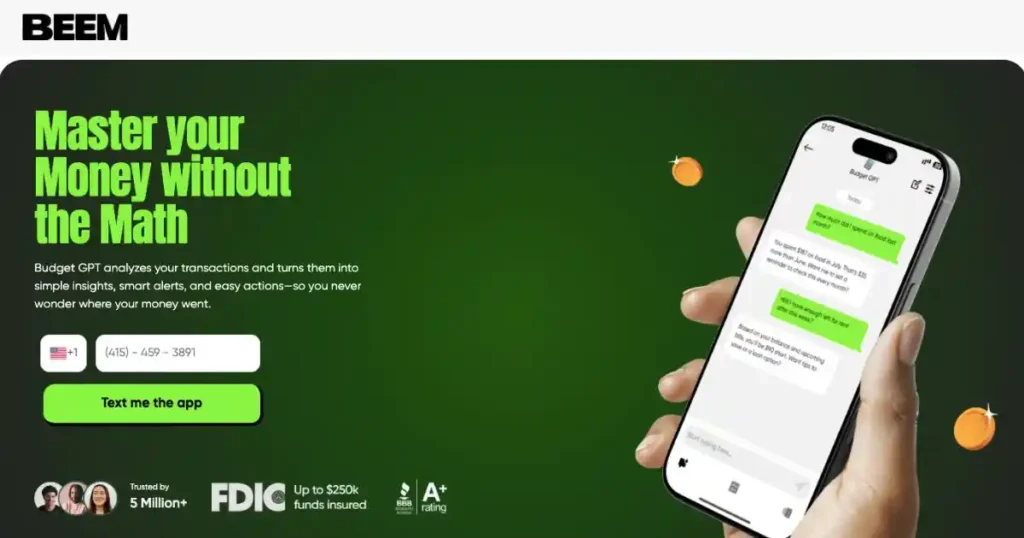
Turning Alerts Into Action, Not Panic
Alerts only help when they guide action instead of creating fear. BudgetGPT avoids loud red warnings and focuses on calm recommendations that explain what is happening. The tone matters because stress blocks good decisions.
Each alert includes simple adjustments that protect the balance without disrupting daily life. Acting early becomes normal. The system supports steady choices, not rushed reactions that create new problems.
Choosing the Safest Response When Risk Appears
Risk does not always require drastic changes. Sometimes, a small spending pause or a shift between categories is enough to stabilize timing. BudgetGPT presents options clearly, so the next step feels manageable.
When a gap still exists, Instant Cash serves as a controlled bridge rather than a last-minute scramble.
Preventing Subscription-Related Surprise Charges
Subscriptions hide in the background and renew quietly. BudgetGPT detects recurring services automatically and brings them into view before they collide with tight weeks.
Unused or rarely touched subscriptions are flagged early. That visibility gives time to cancel or adjust. Small renewals stop stacking into large surprises.
Handling Irregular Income Without Overdrafts
Irregular income creates uneven weeks that traditional alerts misunderstand. BudgetGPT adapts to shifting deposits and builds warnings around real patterns instead of fixed assumptions.
Slow income periods feel less threatening when timing is visible. Alerts stretch and tighten with cash flow, which reduces fear and restores a sense of control.
Read: Intelligent Spending When You Have Kids, Pets, and a Tight Budget
Real-Life Overdraft Scenarios: BudgetGPT Prevents
Overdrafts rarely come from one dramatic purchase. They grow from everyday timing collisions that look harmless until they stack together. BudgetGPT is built around these patterns. Here are some scenarios
Annual renewals forgotten
A yearly subscription renews unexpectedly after months of silence, hitting during a tight week. BudgetGPT spots these charges ahead of time, so the balance doesn’t drop suddenly.
Travel charges are stacking up unexpectedly.
Flights, hotels, and rides can post in clusters rather than separately. BudgetGPT detects this buildup and warns you before multiple charges drain your account at once.
Multiple small charges are pushing accounts negative
Small purchases like coffee and apps can add up, quietly tipping your balance. BudgetGPT highlights these fragile days, preventing small spending from leading to big fees.
These situations are common, not rare. BudgetGPT focuses on these timing patterns, turning blind spots into visible alerts that protect your balance before issues arise.
Emotional Relief of Predictive Alerts
Financial stress often stems from unexpected charges that appear at the worst times. Beem BudgetGPT helps reduce that shock by alerting users to risks early, before fees hit. With fewer surprises, decisions become less rushed, making daily spending feel more stable and trustworthy.
This early awareness builds confidence over time. With Beem BudgetGPT, money feels less unpredictable. Preparation replaces reaction, allowing anxiety to give way to a sense of control.
This may interest you: How AI Can Help You Decide Between Saving, Paying Debt, or Spending Today
How BudgetGPT Alerts Fit Into the Beem Ecosystem?
Beem BudgetGPT watches your bills and spending patterns. It sends alerts when risks arise and connects with other Beem tools. Here’s how BudgetGPT alerts fit into the Beem ecosystem:
- AI Wallet makes alerts clear. When a warning pops up, your balances and activity are on-screen. This way, nothing feels hidden or confusing.
- If you need more time, Instant Cash acts as a small cushion. It fills short-term gaps without creating long-term debt.
These tools work together smoothly. Beem BudgetGPT predicts trouble, the wallet clarifies it, and Instant Cash helps when timing doesn’t cooperate.
Who Benefits Most From BudgetGPT Alerts
BudgetGPT alerts help those who find their finances tight, busy, or hard to track. Timing issues affect many lifestyles in various ways. Here are the groups that gain the most from BudgetGPT alerts.
- People recovering from overdrafts
- Students with multiple subscriptions
- Users managing several accounts
These situations share a common risk: unexpected timing. BudgetGPT alerts lower than risk. They highlight pressure early, helping users stay stable rather than react after problems arise.
Getting Started with BudgetGPT Alerts
Setting up alerts is easy, but the order is key for accurate predictions. Follow these steps to get BudgetGPT alerts running smoothly.
- Open the Beem app and link your bank accounts securely. This allows BudgetGPT to read your balances and transactions.
- Once your accounts are connected, give the system time to track your spending and deposits. This helps it recognize patterns naturally.
- After some patterns form, check the detected bills and subscriptions. Confirm them to ensure alerts match your actual recurring transactions.
- Lastly, adjust the alert sensitivity gradually. This way, notifications remain useful without becoming overwhelming.
A careful setup leads to stronger alerts over time. BudgetGPT gets more accurate as it learns your habits, turning early warnings into everyday financial protection.
Conclusion – Prevention Beats Recovery Every Time
Overdrafts and surprise charges aren’t just inconvenient—they can quietly drain your finances over time. What makes them difficult to avoid is not always poor money management, but a lack of timely information. When you don’t see what’s coming, even small expenses can lead to unnecessary fees and added stress.
That’s why proactive financial tools matter. Instead of reacting after your balance drops, Beem’s ecosystem helps you anticipate and adjust in advance. With BudgetGPT, you get intelligent alerts that highlight potential risks before they turn into real problems. It gives you the space to make better decisions—whether that’s delaying a purchase, adjusting your spending, or preparing for an upcoming bill. PriceGPT ensures you’re consistently spending smarter, while JobsGPT helps strengthen your income when needed. DealsGPT continues to support your savings in the background.
The result is better decision-making, stronger financial control, and fewer unpleasant surprises in your day-to-day life.
If you’re ready to avoid unnecessary fees and take control of your cash flow with confidence, Beem gives you the tools to stay one step ahead.
Download on the Apple App Store
Get it on Google Play
FAQs – BudgetGPT Alerts and Overdraft Prevention
How early does BudgetGPT warn me before an overdraft?
BudgetGPT checks future transactions and will notify you before you go into overdraft, usually a few days in advance.
Can I control which alerts I receive?
Yes, you can set your alert preferences. The settings are flexible, so notifications stay helpful and relevant while still protecting your balance from risk.
Does BudgetGPT stop transactions automatically?
No, BudgetGPT does not block transactions. It offers forecasts and recommendations, but the final choice is always yours, maintaining your control over finances.