

Table of Contents
Managing money as a student isn’t just about budgeting—it’s about juggling multiple, often unpredictable sources of income and expenses. Between allowances, student loans, part-time paychecks, and everyday costs like food, rent, and subscriptions, it’s easy to lose track of where your money is going. Add rising living expenses and irregular income into the mix, and staying financially stable can feel overwhelming.
The challenge exists because most budgeting tools aren’t built for the realities of student life. They assume steady income and predictable expenses—something most students simply don’t have. As a result, many end up overspending, missing payments, or relying too heavily on credit without a clear plan.
That’s where AI-powered financial tools are stepping in to make a real difference. Platforms like Beem offer smarter, more flexible ways to manage money in real time. With BudgetGPT, students can create adaptive budgets that adjust to changing income streams like part-time jobs or irregular allowances. Tools like PriceGPT help cut everyday costs, while JobsGPT suggests ways to find flexible earning opportunities. DealsGPT adds even more value by helping students save on essentials.
Instead of guessing your way through finances, you can manage everything with clarity. Here’s how Beem’s BudgetGPT helps students stay on top of their money—without the stress.
The Reality of Student Finances Today
Student finances can seem stable on paper, but feel unpredictable in reality. Allowance often comes once a month. Loan money appears in large chunks, while part-time jobs depend on class schedules and available hours. Each source has its own timing, making the overall picture feel uneven.
Most budgeting advice assumes a regular paycheck, but that doesn’t suit student life. This doesn’t fit student life. When loan money, allowance, and job income all sit in one account, it’s tough to know what should last for months and what can be spent this week. The confusion isn’t due to carelessness; it’s about timing.
Why Students Struggle to See the Full Money Picture
Student finances may look stable in a banking app, but the reality is often more complicated. Different income sources arrive on their own schedules. Without clear separation, it’s hard to get an accurate view. Here’s why students lose track:
- Different Income Timing: Allowance might arrive once a month, loan funds may show up at the start of a term, and paychecks depend on available work hours.
- Borrowed Money Feels Like Regular Cash: When loans land in the same account as earned income, it all merges. This makes it easy to forget that part of that balance needs to be repaid.
- No clear timeframe: Money meant for the whole semester can feel like short-term cash. Without clear timelines, gaps can show up faster than expected.
BudgetGPT helps by sorting income types and connecting them to real timelines.
This may interest you: How AI Can Help You Decide Between Saving, Paying Debt, or Spending Today
How Beem’s BudgetGPT understands student cash flow?
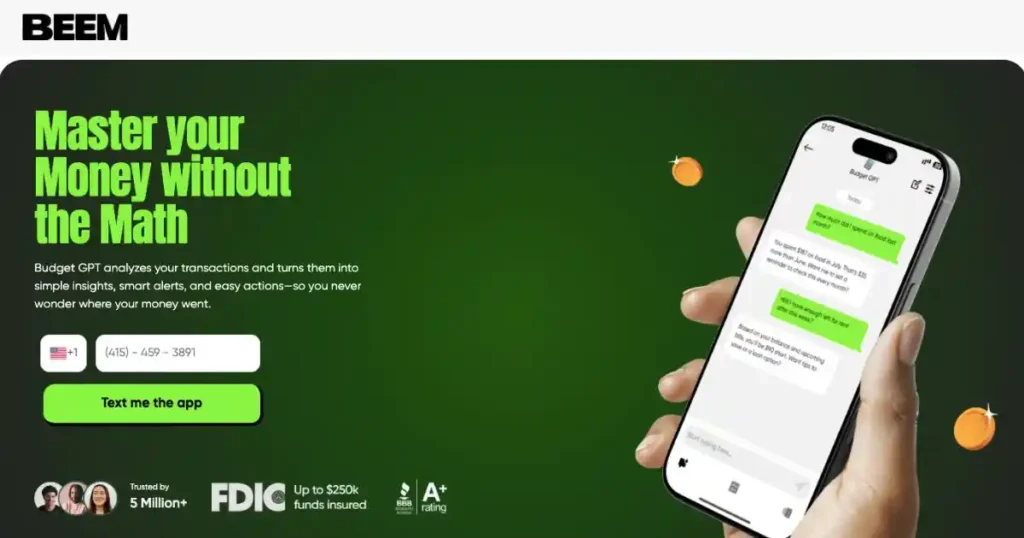
BudgetGPT views student income like a financial advisor, but without pressure or judgment. It spots patterns and creates a structure. Here’s how it handles cash flow differently:
- Automatic Multi-Source Tracking
BudgetGPT tracks allowances, loan deposits, and part-time wages together. This gives a full view without needing constant manual updates.
- Clear Income Separation
It separates borrowed funds from earned income. This cuts down on confusion about what is available and what comes with future responsibility.
- Schedule-Aware Planning
Spending guidance considers class schedules and changing work hours. It provides a realistic monthly outlook instead of a strict template.
Managing Allowance Without Running Out Early
Allowance can feel fine on day one, but tight by day twenty. A few extra food runs, a ride across town, or a late-night order can add up. Nothing dramatic, just steady spending. By week three, the balance looks thinner than expected.
BudgetGPT spreads fixed support throughout the month. This keeps spending steadily. It doesn’t block purchases or set harsh limits. Instead, it shows what makes sense now, reducing stress later.
Using student loans without losing control
Loan money has long-term effects, but daily spending feels light. The number seems solid, giving a moment of relief. The issue is that this money should last for months, not weeks. When it mixes with everyday spending, the lines blur quickly.
By separating loan money from earnings, BudgetGPT raises awareness without fear. It treats loan money with care. BudgetGPT helps outline rent, books, and essential expenses first. This way, the semester starts comfortably and doesn’t end in panic about what’s left.
Making Part-Time Pay Work Smarter
Part-time income can feel unpredictable, yet it can become a stabilizer when managed carefully. Some weeks bring extra hours and decent money, while other weeks shrink because exams take priority. This shift can quietly affect spending habits.
When a strong paycheck arrives, it is easy to relax a little too much. BudgetGPT smooths that out. It helps strong weeks support slower ones instead of letting spending rise and fall with every shift. Over time, that steady approach reduces pressure.
Read: How AI Helps You Simulate “What If” Scenarios Before Making Big Money Decisions
Covering Essentials First Without Constant Worry
Core expenses quietly shape student stress levels. Food, rent, books, and subscriptions rarely pause. They come around whether income feels strong or not. When those basics are not clearly planned for, everything else feels uncertain.
BudgetGPT keeps essentials at the front of the plan. When the basics are covered, everything else feels more manageable. BudgetGPT removes constant second-guessing about whether basic costs are covered.
Handling Social Spending and Campus Life
Campus life is about dinners, trips, and events that create memories. Ignoring this makes budgeting tough. The balance can feel difficult to manage.
BudgetGPT allows for social spending without losing control. You set aside a clear amount for fun. This way, participation feels responsible, not impulsive. It removes guilt and keeps finances steady.
What Happens During Tight Weeks
Financial pressure often appears near the end of a month or before payday. Guidance during those weeks matters most. Here’s what happens during tight weeks:
- End-of-Month Cash Gaps
Spending early in the month can quietly reduce flexibility later, even when total income seemed reasonable at first. - Delayed Paychecks or Unexpected Costs
Work hours may shrink, deposits can arrive late, or sudden expenses like repairs and fees appear without warning. - Stress from low balances
A smaller balance can lead to hasty choices, which often add more pressure instead of relieving it.
BudgetGPT offers steady adjustments instead of panic. It updates daily advice based on what you have left and how long it needs to last. This helps students navigate tight weeks with better clarity and less financial stress.
Avoiding Overdrafts and Late Fees as a Student
For students on tight budgets, banking mistakes can feel huge. One overdraft fee can erase the week’s grocery money. Even a missed payment can mean extra charges at the worst possible time, usually when assignments and exams are already piling up. The stress isn’t just financial; it sticks around.
BudgetGPT sends alerts when your balance drops or when bills are due. This small heads-up allows you to adjust before fees hit. Avoiding penalties often comes down to anticipating what’s ahead, not just making more money.
Building Healthy Money Habits Early
College is often the first time to manage money on your own. Choices about rent, groceries, and spending feel personal. The way spending is handled now often carries into life after graduation. Learning balance early matters more than aiming for perfection.
BudgetGPT encourages pacing instead of strict limits. It helps students understand trade-offs without the pressure. This steady support builds confidence over time, which is more valuable than just short-term control.
Real-Life Student Scenarios BudgetGPT Supports
Student finances vary based on their college stage. BudgetGPT adapts to these situations without enforcing a strict formula. Here are some real-life student scenarios:
First-Year Students Learning Allowance Management
Managing money independently for the first time can lead to early overspending and confusion. BudgetGPT provides structure, pacing monthly allowance so new students avoid running short before the term ends.
Students Balancing Loans and Part-Time Jobs
When loan deposits and job income land together, it becomes hard to tell what should last all semester and what can be used more freely. BudgetGPT keeps borrowed funds distinct, making daily decisions clearer and more responsible.
Final-Year Students Preparing for Post-College Life
As graduation nears, final-year students change their spending habits. BudgetGPT aids this transition by helping students manage their money carefully as they prepare for the next stage.
Check this out: How PriceGPT Integrates with DealsGPT for Maximum Savings?
How BudgetGPT Fits Inside the Beem Ecosystem?
Managing money is easier when tools work together. BudgetGPT fits into Beem to help with daily financial choices. Here’s how it integrates into the Beem ecosystem:
- AI Wallet shows balances, transactions, and categories. This helps students understand where their money goes.
- Instant Cash provides short-term support during tight times, without encouraging long-term borrowing.
These tools form a connected system. BudgetGPT links with AI Wallet’s insights and Instant Cash support. This helps students manage their finances with more confidence and fewer surprises.
Who Benefits Most From BudgetGPT as a Student?
Not every student faces identical challenges, yet many share similar patterns. Here’s who benefits most from BudgetGPT:
- Students living away from home
- Students managing multiple income streams
- Students are new to financial independence
- Upperclassmen planning transitions
BudgetGPT adjusts to different academic stages, income levels, and living situations. It doesn’t require financial expertise.
Getting Started With BudgetGPT as a Student
BudgetGPT helps you understand your spending and how to manage your money better. To start using the BudgetGPT, follow these simple steps:
- Open the Beem app and explore the dashboard to understand how your balances and recent transactions are displayed clearly.
- Next, link your checking and savings accounts, along with any income sources. This lets BudgetGPT track your allowance, loans, and wages together.
- After linking, BudgetGPT watches your spending habits, income timing, and regular expenses.
- Finally, check suggestions often and adjust alert sensitivity as needed. This helps you become more aware and gain better financial control.
Read: How BudgetGPT Helps You Identify Wasteful Subscriptions?
Conclusion – Student Money Does Not Have to Be Chaotic
Student finances are rarely simple. Balancing allowances, loans, and part-time income requires more than just basic budgeting—it demands flexibility, awareness, and the ability to adapt quickly when things change. Without the right system, it’s easy to fall into patterns of overspending, missed payments, or constant financial stress.
That’s why having the right tools matters. Beem’s AI-powered ecosystem is designed to meet students where they are, helping them move from uncertainty to control. With BudgetGPT, you can build a budget that actually reflects your real-life income and expenses, adjusting as your situation evolves. PriceGPT helps you stretch every dollar further, while JobsGPT opens up opportunities to earn when you need extra support. DealsGPT works in the background to unlock additional savings without extra effort.
The result is better decision-making, stronger financial habits, and more confidence in handling money—both now and in the future.
If you’re ready to take control of your student finances and reduce money-related stress, Beem gives you the tools to do it—simply and effectively.
Download on the Apple App Store
Get it on Google Play
FAQs – BudgetGPT for Students
Can BudgetGPT work with allowances and part-time pay together?
Yes, BudgetGPT tracks both income sources. It separates fixed allowance support from fluctuating wages for balanced guidance.
How does BudgetGPT treat student loan money?
BudgetGPT separates the loan fund from the earned income. This helps students see borrowed amounts clearly and avoid unintentional spending.
Can BudgetGPT help prevent overdrafts on low balances?
Yes, BudgetGPT sends low-balance alerts and bill reminders. This reduces overdraft risks by highlighting timing conflicts before transactions clear.
Is this useful if my income changes every semester?
Absolutely! BudgetGPT adapts to changing income patterns and adjusts pacing as academic schedules shift.
Will BudgetGPT still work after I graduate?
Yes, BudgetGPT continues to adjust to full-time income, helping graduates transition smoothly into financial independence.