

Table of Contents
Managing your money effectively has never been more challenging. Between daily expenses, subscriptions you forget about, and fluctuating bills, traditional banking tools often leave people guessing how to stay on track. While most banks offer basic tracking, they rarely provide actionable insights or personalized guidance—leaving users frustrated and unsure whether they’re making the right decisions. The result? Many Americans struggle to save consistently or plan for long-term financial goals.
This is where AI-guided solutions are changing the game. Platforms like Beem bring intelligent financial tools to your fingertips, making budgeting proactive rather than reactive. BudgetGPT doesn’t just track your spending—it analyzes your habits and gives tailored recommendations that fit your lifestyle. Meanwhile, PriceGPT helps you make smarter purchasing decisions, and JobsGPT uncovers earning opportunities to boost your financial growth. Add in DealsGPT for extra savings, and you have a comprehensive system that turns everyday financial choices into meaningful progress.
In this blog, “BudgetGPT vs Banking Tools: Why AI-Guided Budgeting Works Better,” we’ll explore why relying on traditional banking alone falls short and how AI-powered budgeting tools can give you control, clarity, and confidence in your financial journey.
What Most Banking Budgeting Tools Actually Do?
Most banking tools seem helpful at first. They organize data well, but their main job is to report activity, not guide better decisions. Here’s what most banking budgeting tools do:
- Transaction Listings: Banking tools show a list of purchases and payments. This provides transparency but rarely prioritizes or suggests improvements.
- Category Charts: These apps group expenses into set categories. However, these categories often don’t match personal priorities or changing financial situations.
- Monthly Summaries: They give totals for income and expenses. Still, they don’t explain how to change behaviors for future months.
- Balance Monitoring: Banking tools display current balances clearly. Yet, they don’t assess if that balance covers upcoming obligations.
The Core Limitation of Bank-Based Money Tools
Bank dashboards seem detailed, but they are fixed and look back at past data. They show what has happened, not what might happen next. Here’s where the main limitation stands out:
- Static Financial Views: Most dashboards focus on past transactions. Bank-based money tools summarize last month’s spending clearly, but they do not help plan for next week’s pressure.
- No Goal Awareness: A bank app overlooks personal goals, like saving for tuition, paying down debt, or planning for months with irregular income.
- Generic Alerts: These tools provide basic alerts when limits are reached, ignoring wider financial impacts.
BudgetGPT approaches budgeting differently. It studies patterns, connects them to real goals, and offers suggestions before problems grow.
Read: Long-Term Money Habits: How BudgetGPT Turns Daily Insights Into Growth
How BudgetGPT Reframes Budgeting as Guidance, Not Reporting?
Most budgeting tools just show numbers. BudgetGPT goes further. It emphasizes actions over summaries. Here’s how BudgetGPT changes budgeting:
- Active Decision Support: BudgetGPT reviews spending habits and upcoming bills. It suggests practical changes before small issues grow into big problems.
- Translating Data Into Recommendations: Instead of just raw data and charts, it offers simple guidance. This explains what actions make the most sense.
- Context That Connects The Dots: BudgetGPT considers timing, habits, and goals together. This makes recommendations feel personal, not generic.
Reactive Alerts vs Predictive Intelligence
Most banking tools react after something happens. An alert appears when spending exceeds a limit or the balance drops too low. At that point, the purchase is already made, and stress kicks in. The system clearly reports the problem, but it doesn’t offer much opportunity to adjust.
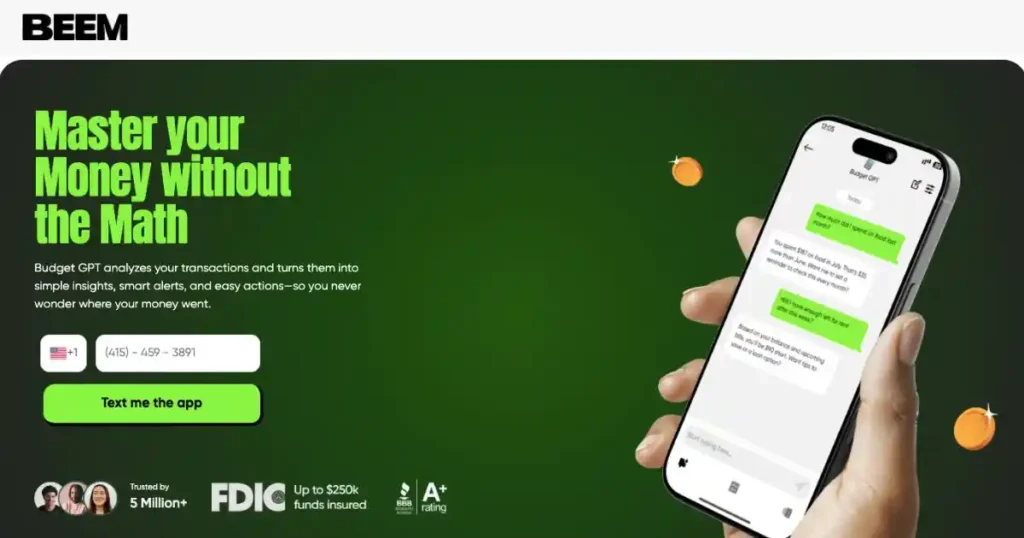
BudgetGPT takes a different approach. It focuses on what’s happening next, your spending rate, which bills you are approaching, and how long you have until your next deposit. When it sees potential trouble, it sends an early alert. This gives you time to make small changes and avoid greater financial stress down the line.
Understanding Behavior, Not Just Balances
A balance may seem stable, but it can hide patterns that build pressure. Banking apps list transactions as separate items, organized well but lacking context.
BudgetGPT digs deeper into those habits. It spots repeated weekend spending, rising subscription costs, and gradual increases in certain areas. This awareness leads to better control.
Handling Real Life Changes Banks Don’t Adapt To
Life does not move in clean monthly cycles. A normal month can suddenly look very different. Traditional banking tools rely heavily on past averages, which stop making sense when patterns change.
BudgetGPT responds to real-time changes. It reviews recent income shifts, new spending, and upcoming bills together. When patterns change, its advice changes too. This flexibility makes budgeting realistic, especially during unpredictable months.
Decision Support During High-Risk Moments
Some weeks demand more attention. Overlapping bills, big purchases, or late paychecks make timing critical. Here are some insights for high-risk times:
- Banking apps show your available balance, but they don’t account for how new purchases might affect rent, utilities, or upcoming subscription payments.
- BudgetGPT analyzes timing conflicts and spending speed. It recommends whether to delay, reduce, or proceed with a purchase based on the larger financial picture.
Personalization Beyond Categories
Categories help organize spending, but they can’t fully capture individual priorities or changing goals.
- Banking tools group expenses into standard categories like food, transport, and entertainment. However, they often fail to connect these categories to deadlines or savings goals.
- BudgetGPT looks at timing, goals, and past behavior together. It offers suggestions based on real circumstances, not just preset labels.
Personal context changes budgeting. Generic categories offer structure, but tailored guidance provides clarity.
Emotional Experience: Judgment vs Support
Money apps do more than track spending. The tone they use can influence how users feel each time they open the app.
- Money apps, like banking apps, may use strong words to alert users when spending exceeds certain levels. This may make users feel negative about their spending habits.
- BudgetGPT, on the other hand, uses neutral words to help users plan their next course of action. This creates a steady experience instead of a critical one.
When budgeting feels supportive rather than judgmental, it helps users stay consistent. A steady tone builds habits without adding extra pressure.
Read: How to Slowly Move More of Your Financial Life Onto Autopilot With Confidence?
Preventing Problems Instead of Explaining Them Later
Financial problems often develop gradually. They build slowly as small spending increases combine with bills and tight cash flow. What feels manageable can turn stressful if adjustments aren’t made early.
- Banking apps warn users after a balance gets too low or a payment is missed. This means alerts come only after problems arise.
- BudgetGPT checks future obligations and current trends. It prompts users to adjust early, lowering risks before issues start.
When risks are visible in advance, fixing them feels easier. This boosts stability by tackling problems before they escalate.
Long-Term Habit Formation vs Monthly Snapshots
The majority of personal budgeting tool is calendar-centric. When the month begins, it feels like everything starts over, even if nothing about the user’s habits has changed.
- Banking apps track spending by month, making progress seem temporary. Once a new month begins, old patterns can return unnoticed.
- BudgetGPT looks at behavior over longer periods. It connects daily spending choices, helping small improvements become steady financial habits instead of just monthly wins.
Real change takes time. When guidance goes beyond a single monthly snapshot, everyday insights become lasting habits.
Real-Life Scenarios Where the Difference Is Clear
BudgetGPT shows its value when money feels tight. It shines not in easy months, but in times when every choice counts. Here are some scenarios:
Managing Irregular Income
When paychecks come at different times or amounts, bank tools only show deposits. They give no guidance. BudgetGPT analyzes patterns and helps decide how long money can last until the next payment.
Planning Large Expenses
Big payments, like tuition or new equipment, require more than just a balance check. A banking dashboard shows available funds but lacks detail on future bills. BudgetGPT clarifies what that payment means for upcoming expenses and whether it’s better to wait a week.
Recovering After Financial Setbacks
Unexpected expenses can hit hard. Traditional tools simply reflect the lower balance. BudgetGPT focuses on recovery by suggesting gradual changes that rebuild financial balance without extreme restrictions.
How BudgetGPT Fits Inside the Beem Ecosystem?
Beem BudgetGPT is part of a bigger system that makes financial decisions easier every day. Here’s how BudgetGPT fits into the Beem ecosystem:
- BudgetGPT is the intelligence layer. It looks at spending habits and upcoming bills. Then it provides practical, timely financial advice.
- AI Wallet is the visibility hub. It consolidates transactions, balances, and activities into one place for easy tracking.
- Beem’s Instant Cash offer provides short-term help during tough times without creating long-term dependence.
Together, these tools build a connected system. BudgetGPT leads decisions, AI Wallet presents the full picture, and Instant Cash supports users when necessary.
Read: Using DealsGPT to Stack Cashback, Coupons, and Gift Cards in the Beem app
Who Benefits Most From AI-Guided Budgeting?
Generally, financial frustration arises not from irresponsibility but from uncertainty. Here’s who benefits most from AI-guided budgeting:
- Freelancers and Variable Earners
- Families with limited budgets
- Individuals Facing Financial Recovery
AI-guided budgeting assists those in need of support. When information is clear and actionable, confidence improves steadily.
Transitioning From Bank Tools to BudgetGPT
Switching to BudgetGPT doesn’t mean losing your bank app. Bank tools still show balances and transactions clearly. They help track daily activity. What changes is the added layer. BudgetGPT takes the same information and turns it into practical guidance.
Instead of just looking at past spending, users see suggested next steps. BudgetGPT analyzes patterns and timing to complement existing accounts. It shifts the experience from simple observation to thoughtful action.
Conclusion – Better Decisions Come From Better Guidance
The challenge with traditional banking tools is clear: they provide data, but not direction. Simply seeing transactions and balances doesn’t help you understand how to save more, spend wisely, or plan for the future. That’s why AI-guided solutions like Beem are so impactful.
With BudgetGPT, your spending is turned into actionable insights, helping you stick to your budget effortlessly. PriceGPT ensures smarter purchasing decisions, JobsGPT opens doors to additional income opportunities, and DealsGPT uncovers hidden savings. Together, these tools give you the kind of financial control traditional banking apps simply can’t provide.
The takeaway? AI-guided budgeting empowers you to make smarter decisions, maintain financial discipline, and grow your wealth steadily over time. You’re not just tracking money—you’re optimizing it.
Take control of your finances today. Download Beem and start using BudgetGPT, PriceGPT, and JobsGPT to make every dollar work harder for you. Get started on the Apple App Store or the Google Play Store and experience smarter, AI-powered budgeting.
FAQs – BudgetGPT vs Banking Tools
Is BudgetGPT replacing my bank’s budgeting features?
No, BudgetGPT complements banking tools. It interprets financial data and gives guidance, but does not replace account access or basic tracking.
How is AI guidance different from bank alerts?
AI guidance looks ahead by analyzing patterns. Bank alerts usually notify users only after limits are exceeded.
Can BudgetGPT work with multiple bank accounts?
Yes, BudgetGPT pulls information from multiple accounts. This creates a unified view that supports better planning and decision-making.
Does BudgetGPT help with planning, not just tracking?
Absolutely. BudgetGPT focuses on forward-looking recommendations. It helps users prepare for upcoming expenses and adjust their behavior before issues arise.
Is AI-guided budgeting better for irregular income?
Yes, AI-guided budgeting adjusts to income changes. It recalibrates guidance dynamically, offering stability for users with nontraditional earnings.