

Table of Contents
Most people don’t realize how much extra they’re spending on everyday purchases.
It’s not usually one big, obvious expense—it’s the small, repeated overpayments that quietly add up. Paying a few dollars more for groceries, missing a better deal online, renewing subscriptions at higher rates, or buying without comparing prices can slowly drain your budget without you noticing.
The problem isn’t just spending—it’s invisible overspending.
Prices today are dynamic. The same product can vary across retailers, platforms, and even times of day. Add in convenience-driven habits—like buying from the same store or skipping price checks—and it becomes easy to consistently pay more than necessary.
Traditional budgeting tools can tell you where your money went, but they don’t always tell you if you overpaid.
That’s where AI-powered financial tools make a difference.
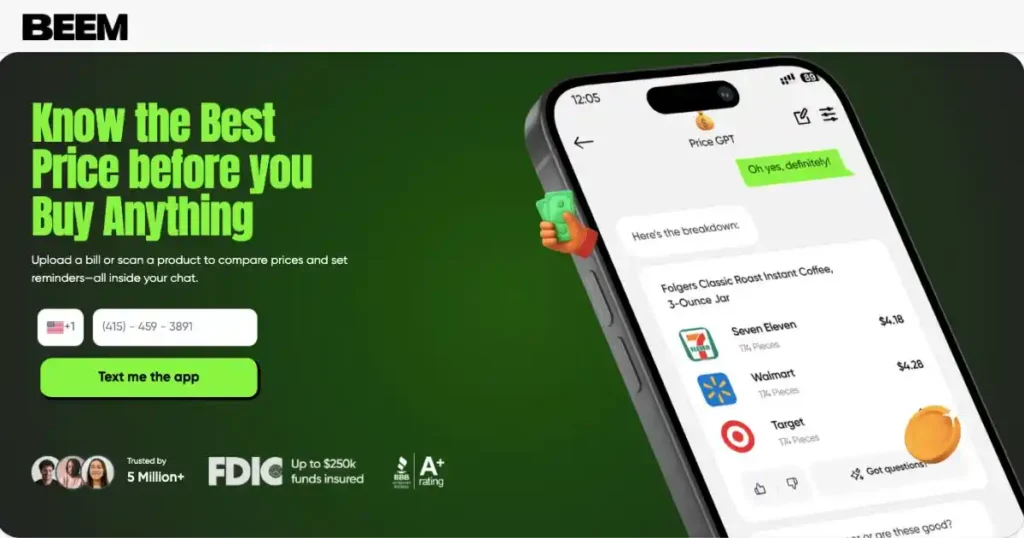
With PriceGPT from Beem, users can compare prices across retailers in real time and identify better deals before making a purchase. Instead of guessing whether you’re getting a good price, PriceGPT helps you make informed decisions instantly.
Combined with BudgetGPT for tracking and planning expenses, JobsGPT for increasing income opportunities, and DealsGPT for finding discounts, Beem creates a complete system to help you control both spending and saving.
The Illusion of Small, Harmless Expenses
Small purchases seem too small to matter. A five or ten-dollar cost might be inconsequential when you are on the run. As it is cost-effective, you may miss it. However, such minor purchases may accumulate at the end of the month. Gradually, your savings account balance goes down without any apparent notice.
Why Your Brain Treats Small Purchases Differently
Small purchases feel harmless because our minds respond differently to lower amounts than to higher ones. Here’s why:
Instant gratification
Small buys give quick satisfaction. This leads to quick decisions and fails to consider how regular spending can be damaging over the long haul.
Mental accounting
Many people consider small costs independently of their primary budget. That makes these purchases appear less significant than they actually are.
Emotional spending
Purchasing during stress or for comfort seems justified. But it can raise spending quietly, out of the general public eye.
Read: How AI Helps You Simulate “What If” Scenarios Before Making Big Money Decisions
The Hidden Costs Behind Everyday Purchases
Most of these purchases appear simple, but extra costs tend to creep in. These hidden costs can quietly raise spending. Here are some common examples to watch for.
Subscription Creep
Many are free to start, but soon they become monthly charges. When you have multiple subscriptions, the combined cost can add to a substantial monthly amount.
Convenience Fees and Delivery Charges
Food delivery and online services often include fees. Delivery markups and service fees can gradually raise the price of your everyday purchases.
Impulse Add-Ons at Checkout
Checkout pages suggest extras like warranties or accessories. While these upgrades may seem useful, they can quietly increase the cost.
Pricing Tricks That Make You Spend More
Prices appear simple, but they are often structured to influence purchasing decisions. Some methods make items seem cheaper than they are. Here are common tactics to understand.
The Power of “Only $9.99” Pricing
Prices that end in. 99 often seems lower. This technique directs purchasers to the lesser figure, swaying their decisions.
Bundles and Limited-Time Offers
Bundles and short promotions create a sense of value. People often buy items because the offer feels temporary, even if they do not plan to.
Buy Now, Pay Later Illusions
Splitting payments can make big purchases easier to handle. Yet when you have plans, they can overlap, leading to a larger financial commitment than you expected.
Check this out: AI Insights for Gig Workers Balancing Multiple Income Streams and Irregular Checks
Everyday Spending Categories Where Costs Add Up Fast
The impact of small purchases becomes apparent only later because they accumulate. In some areas, costs rise faster than in others. Here are several common categories in which expenses can increase.
Food and Coffee Purchases
Daily coffee, snacks, and small restaurant upgrades seem like simple treats. But when these purchases occur regularly, they gradually increase weekly food spending.
Transportation and Convenience Spending
Transportation choices can quietly boost everyday costs. Ride sharing, parking fees, tolls, and inefficient fuel use seem routine. Yet together they gradually raise your travel expenses.
Digital Purchases and Microtransactions
Digital purchases are often so small as to appear harmless. In-app purchases, gaming upgrades, and entertainment add-ons tend to be a few dollars. However, frequent transactions can slowly increase overall digital spending.
How These Small Expenses Impact Your Financial Life?
Small daily purchases often seem harmless when they happen. However, when you repeat these purchases, they slowly affect your budget. The impact becomes clearer over time. Here are some ways these expenses influence your life.
The Monthly Budget Leak Effect
Small purchases during the week can quietly eat up your budget. When these costs repeat often, your savings are slow. Your monthly budget begins to feel tighter.
Why You Feel Broke Despite Earning Enough
Sometimes your income seems enough, yet you still feel like you do not have enough money. This often happens because your daily spending grows with your habits and lifestyle choices.
- Lifestyle creep
As your income increases, your spending habits often change. Small upgrades in food and services can raise your expenses without you noticing.
- Spending without awareness
Many small purchases are made on busy days without much thought. When these expenses repeat regularly, they slowly reduce your money and make your budget feel more limited.
Read: How PriceGPT Compares Everyday Prices So You Stop Overpaying Without Thinking About It
Signs You’re Paying More Than You Realize
Most individuals spend money daily without even realizing how quickly it accumulates. These are some of the indicators that typically appear when daily costs start to creep up.
Your Account Balance Drops Faster Than Expected
Your account balance can sometimes decrease more quickly than you may have anticipated. Small expenditures will accumulate fast, thus leaving you with your balance before the month is over.
You’re Surprised by Your Monthly Statements
Monthly statements can show small charges that seemed unimportant at the time. Seeing these together often clarifies why your spending feels high even if each transaction was minor.
You Rely on Cash Advances Before Payday
Relying on cash advances before payday may mean your daily expenses exceed your budget. Repeated small purchases can create this financial pressure.
How to Take Back Control of Everyday Spending?
Everyday expenses may come as a surprise to you. You can take back control by making brilliant habits. Here are some simple measures to get you going.
Track Where Your Money Really Goes
See your banking history and bank transactions. This will indicate how your money is spent every week. Understanding recurring costs helps you understand your expenditure patterns. Being aware of such patterns helps to see what should be bought and what can be accumulated without being noticed.
Set Spending Limits for Daily Categories
Reduce expenditure in categories such as food, amusement, and subscriptions. This helps keep your expenditures within bounds. Having numbers on the limit of each category makes it easier to control your monthly budget.
Use Tools That Help You Spot Overspending
One can easily handle expenditures with the help of useful financial tools. They highlight patterns and offer insights to guide your decisions before costs increase.
Real-time alerts for transactions
Get alerts whenever you spend money. This keeps you aware of your daily spending. Beem PriceGPT shows better deals before you buy, helping you save.
AI-powered budgeting insights
Budget tools can identify patterns you might overlook. Beem BudgetGPT reviews your habits and gives clear suggestions for better budget management.
Instant cash support for emergencies
Unexpected costs can arise before payday. Beem Everdraft provides temporary financial assistance, so you can cover immediate expenses without reducing your ordinary expenses.
Also read: Stop Paying the “Lazy Tax”: How DealsGPT & PriceGPT Automate Savings
The Long-Term Benefits of Smarter Everyday Spending
By spending smarter on small purchases, you will have more apparent savings and a more stable financial routine. Here are some benefits that develop over time.
More Room in Your Budget
Smarter will reduce monthly expenses that creep in. In lieu of watching your money disappear on repeat purchases, you can save more to buy groceries, pay bills, and cover daily necessities.
Reduced Financial Stress
When expenses are unclear or unmanageable, money stress often occurs. It is easier to manage monthly expenses by keeping everyday purchases within limits. Such control can result in actual financial reprieve.
Faster Progress Toward Financial Goals
Good spending habits ensure that you save money day by day. Instead of spending that money on purchasing things under the carpet, you can use it to help you in your future financial plans.
Check this out: How PriceGPT Integrates with DealsGPT for Maximum Savings?
Conclusion
Overspending doesn’t always feel like overspending—it often happens in small, unnoticed amounts over time.
Without visibility into pricing and alternatives, it’s easy to pay more than necessary for everyday items. And while each purchase may seem insignificant, the cumulative impact can be substantial over weeks and months.
The key isn’t just tracking expenses—it’s making smarter decisions before you spend.
AI-powered tools like PriceGPT help you avoid overpaying by showing real-time price comparisons and better options instantly. Instead of relying on guesswork or habit, you can make confident purchasing decisions that protect your budget.
When combined with the broader tools from Beem—including BudgetGPT for planning, JobsGPT for earning more, and DealsGPT for additional savings—you gain a complete financial advantage.
The result is simple: spend smarter, save more, and take control of where your money actually goes.
Download the Beem app today from the Apple App Store or the Google Play Store to explore how AI-powered tools can help you stop overpaying and start making smarter financial decisions every day.
FAQs
1. Why do small daily expenses affect my finances so much?
Cheap may mean buying something every day, though with frequency. Over days, weeks, and months, these small costs add up and reduce your savings.
2. How can I track my everyday spending more accurately?
You can keep a regular review of your bank transactions and record frequent minor purchases. Budgeting apps also show where your money goes. This helps you see your daily spending.
3. What are the most common hidden costs in daily purchases?
Hidden costs typically involve delivery and service fees, small platform fees, and checkout add-ons. These additional charges may be small, but they slowly add up to the total payment.
4. How do subscriptions impact my monthly budget?
Subscriptions generate those monthly charges automatically, so they persist without requiring effort. Collecting several services together silently increases monthly costs and leaves fewer funds to allocate to other spheres.
5. What tools can help me stop overspending on small purchases?
Budget monitoring and other apps help cover daily costs. Tools such as Beem PriceGPT highlight better prices and spending trends, helping you avoid paying more than you need to.