

Table of Contents
We’ve all faced the same question while shopping online: Should I buy this now, or wait for a better price? Sometimes waiting pays off with a bigger discount—but other times, prices go up, stock runs out, or the “deal” disappears entirely. Knowing when to wait and when to act isn’t just about patience—it’s about understanding how pricing works behind the scenes.
Online prices aren’t static. They fluctuate based on demand, seasonality, inventory levels, and algorithm-driven strategies designed to maximize sales. For shoppers, this creates uncertainty. Wait too long, and you might miss out. Buy too soon, and you risk overpaying. The problem isn’t indecision—it’s the lack of clear, real-time insights to guide that decision.
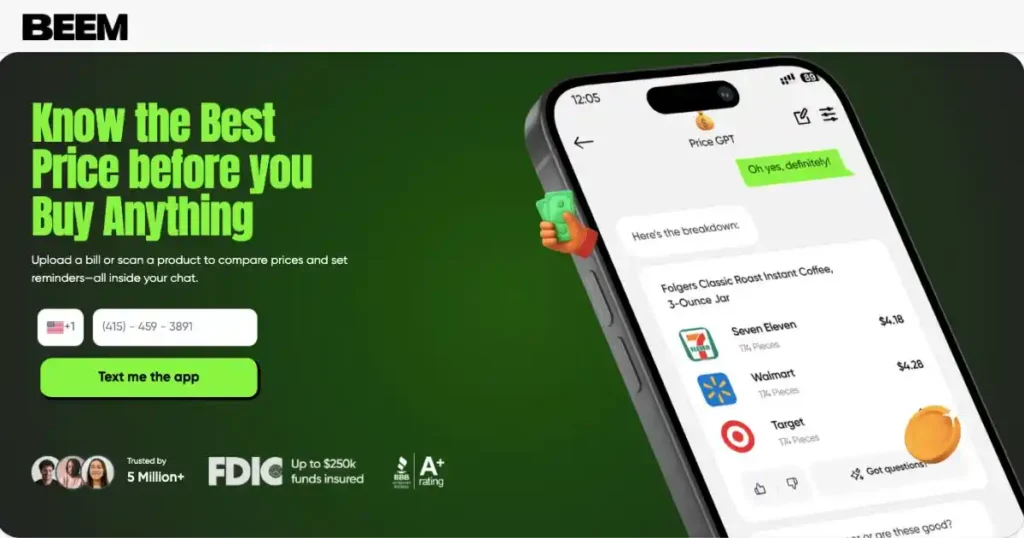
That’s where AI-powered tools are changing the way people shop. Instead of guessing, you can rely on data to decide the right moment to buy. Platforms like Beem make this easier by bringing multiple insights into one place. With PriceGPT, you can track price trends and decide if waiting makes sense. BudgetGPT helps you stay aligned with your spending plan, while JobsGPT supports your earning goals. Add DealsGPT, and you can access timely savings without constant monitoring.
In this blog, we’ll break down When Waiting to Buy Saves Money—and When It Doesn’t so you can make smarter, more confident purchase decisions.
The Common Advice to “Just Wait for a Better Deal”
Many shoppers hear the advice “wait for a deal” when buying online. Waiting often feels like the choice because people think prices will drop. The fear of overpaying leads to patience, making timing a part of the spending process. But this belief doesn’t always match how prices change. Here’s why waiting long can backfire.
The Risk of Waiting Too Long
Waiting can seem smart. Price timing doesn’t always meet expectations. Here are some risks:
- Prices Increasing Instead of Dropping: The prices of certain products rise over time due to either high demand or low supply. Waiting may result in prices over savings.
- Missed Opportunities for Useful Purchases: Postponing a purchase may leave you with resources that will enhance productivity, convenience, or comfort in everyday life.
- Changing Market Conditions: Market trends, in-season demand, or price changes may change rapidly. In other instances, it is convenient to purchase in advance rather than wait and hope a discount will be offered.
Check this out: How PriceGPT Integrates with DealsGPT for Maximum Savings?
When Waiting to Buy Actually Saves Money
Some purchases reward patience. Prices often change with product releases and sales. Waiting can save money in certain situations. Here are typical instances of timing being a factor.
Electronics and Tech Products
The price of electronics usually comes down with the arrival of new models. Older versions and seasonal items are discounted by retailers. Being aware of these cycles allows shoppers to identify when they want to purchase tech at the most suitable time.
Clothing and Seasonal Items
The prices of clothing tend to decline after the end of every season. There are also old collections that are cleared out in stores before the arrival of new collections.
Travel and Big-Ticket Purchases
Hotels, other large buys like flights, are subject to demand cycles. Price-tracking tools may help you track changes.
Read: Long-Term Money Habits: How BudgetGPT Turns Daily Insights Into Growth
When Waiting Can Cost You More
Waiting to buy doesn’t always mean saving money. Sometimes prices or deals vanish over time. Knowing when to buy helps shoppers avoid delays. Here are common situations in which waiting can increase costs.
Essential Everyday Items
Basic products, such as groceries and domestic goods, hardly become cheap. Demand, supply fluctuations, or inflation usually drive prices up and make delayed purchases costlier.
Limited-Stock or High-Demand Products
Some products sell out quickly when demand spikes. Limited stock can raise prices as availability drops. Waiting may decrease your chances of buying at the price.
The Real Factors That Determine Price Changes
The price of a product does not fluctuate at random. A number of market forces affect price movements over time. Learning these patterns can help shoppers understand the reasons behind price increases or decreases.
Supply and Demand
Pricing is influenced by product popularity. Retailers can increase prices when demand for the same product is high. Prices may fall in case demand is sluggish or inventory is high.
Seasonal and Promotional Cycles
The retailers adhere to seasonal trends and offers calendar every year. Major shopping events, clearance events, and holiday sales are known to cause temporary discounts over regular prices.
Competitor Pricing and Algorithms
Many online stores use algorithms that automatically adjust prices. The systems monitor competitor prices and market demand, enabling prices to vary over time.
Read: How PriceGPT Compares Everyday Prices So You Stop Overpaying Without Thinking About It
How to Decide Whether to Buy Now or Wait
Making a decision about when to purchase requires a moment of consideration. You can decide whether to buy something by asking a few simple questions. These are some important considerations regarding timing.
Ask If the Item Is a Need or a Want
Determining whether something is a necessity assists in timing. Decisions are often required for necessary products. Unnecessary products tend to lead to more favorable offers.
Check Price History
Trends are spotted by looking at past prices. Some products have sales cycles. This makes it easier to judge if the current price is fair.
Set a Target Price
Estimating a target price will provide you with an objective. Once a product has reached that price, you will be able to buy with confidence.
Consider the Cost of Waiting
Waiting might come with hidden costs, such as lost time or inconvenience. Occasionally, an earlier buy can be more helpful than a later buy.
Tools That Help You Decide the Right Time to Buy
Modern shopping is more convenient thanks to reliable tools that enhance price consciousness and monitor spending patterns. These applications help customers view price reductions and the time to wait.
Price Tracking Tools
Price-tracking tools help consumers monitor product prices in retail outlets and online. They capture price changes over time, enabling shoppers to know when to purchase.
Deal Alerts and Notifications
Shoppers are notified of a deal alert when prices reach a specific level. Such notifications minimize the need to check listings regularly. It becomes easier to save as shoppers can make a quick move when discounts appear.
Budgeting and Spending Insight Apps
Budgeting apps help consumers see the impact of their day-to-day purchases on their budgets. These apps integrate expenditure consciousness and offerings in a single place.
Tracking Essential vs. Non-Essential Spending
Sorting spending categories helps users differentiate between needs and types of purchases. Such clarity helps decide whether to wait to purchase to save money.
Alerts for Unusual or High Expenses
Expense alerts notify users of changes in the expenditure patterns. This will make them conscious of their spending patterns and prevent unwanted spending.
Deal Discovery Tools in One Place
Apps like Beem, featuring PriceGPT, combine spending insights with deal discovery. They help users recognize purchase timing and manage everyday expenses thoughtfully.
Also read: Stop Paying the “Lazy Tax”: How DealsGPT & PriceGPT Automate Savings
Smart Habits for Better Purchase Timing
Smart spending habits are the first step towards improving the timing of purchases. Minor rituals allow a shopper to take a break, look over prices, and avoid making hasty decisions. Here are some useful practices that can help you get better timing for making purchases.
Follow a Waiting Rule for Non-Essential Purchases
A waiting policy will make shoppers reconsider buying luxury goods. Twenty-four or forty-eight hours of waiting can reduce impulsive purchases and lead to better decisions.
Build a Purchase List Instead of Impulse Buying
Creating a purchase list will help shoppers be prepared for sales. Such a structured strategy lowers impulsive purchases and enables a person to make purchases when the prices are favorable.
Set Monthly Spending Limits
Monthly spending limits provide a clear framework for making daily decisions. Such limits will help avoid excessive expenditure and ensure that shoppers remain within the long-term financial objectives.
How Better Timing Improves Your Financial Stability?
The timing of the purchases can greatly impact your financial well-being. Minor decisions about when to purchase can influence future expenditure patterns. Being aware of this effect makes the shoppers view the financial balance as a result of clever timing. Here are some ways to improve financial stability through better timing
Lower Monthly Expenses
You can purchase items when the prices are low or when the sales are on to reduce expenditure. Regular expenses are manageable when shoppers wait for offers.
Reduced Impulse Purchases
Smart timing promotes critical decision-making rather than emotional purchases. Delaying is a strategy that can reduce the number of impulse purchases, allowing shoppers to concentrate on what is important.
More Room for Savings and Emergencies
Budgets provide financial flexibility. With balanced daily purchases, there is room to save for unforeseen expenses.
Check this out: How PriceGPT Integrates with DealsGPT for Maximum Savings?
Conclusion
Timing your purchases can be a powerful way to save—but only when it’s backed by the right information. As we’ve explored in When Waiting to Buy Saves Money—and When It Doesn’t, waiting isn’t always the smarter move. Sometimes it leads to better deals, but other times it can mean higher prices, missed opportunities, or unnecessary stress. The key is knowing when waiting adds value—and when it doesn’t.
This is where AI-powered tools give you a real advantage. With PriceGPT, you can track price movements and decide whether it’s worth holding off or buying now. BudgetGPT keeps your spending grounded, so you’re not delaying purchases unnecessarily or making impulsive decisions. JobsGPT helps you increase your earning potential, giving you more flexibility in your financial choices. And with DealsGPT, you can tap into timely, relevant savings without second-guessing your timing.
Together, these tools—powered by Beem—help you move from guesswork to confident decision-making.
Ready to stop overthinking and start buying at the right time? Download the Beem app today on the Apple App Store or the Google Play Store and take control of how—and when—you spend.
FAQs
1. Is it always better to wait before buying something?
Waiting will be cost-effective when making a sale. Products that are badly needed or trendy can increase in price.
2. What types of products usually get cheaper over time?
Some traveling offers, seasonal clothes, and electronics tend to fall. This occurs through releases, seasonal clearances, and sales events.
3. When should I buy something immediately instead of waiting?
Shop immediately for necessary perishable commodities, stock items, or offers. The prices can increase, and the products can run out if you are late.
4. How can I know the best time to buy a product?
The best time is usually determined by price movements, seasonal sales, and demand trends. These can be tracked to determine whether it is worth waiting.
5. What tools help me decide whether to buy now or later?
You can use price-tracking tools like PriceGPT, deal alerts, and a budgeting app like Beem. They assist with price comparisons and your purchases.