

Table of Contents
Loyalty points often feel like a growing balance. Your balance rises, creating a sense of future value. But this value can change. Over time, the same points may buy less, even without explicit program updates.
Many programs quietly change how points work. Redemption costs rise, options shift, and expiration rules kick in. Points that once covered a full flight now barely pay for a seat upgrade. These changes are easy to overlook and slowly cut real value.
Beem DealsGPT helps you maximize your rewards by showing smart redemption options and timely opportunities. Let’s discover how loyalty points lose value and what you can do about it.
What Is Loyalty Program Decay (And Why It Matters)
Loyalty program decay means points lose value over time, even if your point balance looks the same. This happens quietly and often goes unnoticed. Here’s how it affects everyday rewards.
Understanding How Points Lose Value Over Time
Reward programs often change redemption rates without clear notice. A flight or product that once needed fewer points may later require more. This reduces actual value, similar to inflation, where the same points deliver less over time.
Expiry Rules and Hidden Limitations
Many loyalty programs have rules that subtly limit how points can be used. Here are common limitations that affect value:
- Points expiration policies: Some programs have set timelines for using points. If you do not redeem them in time, you lose them entirely.
- Inactivity-based expiration: Points can also expire after a period of no account activity, regardless of the current balance.
These matters are frequently neglected, which could result in a surprising lack of price.
Why Most Users Lose Rewards Without Realizing It
Simple oversights often lead to lost rewards. Here are common reasons for this loss:
- Unmonitored balances: Users often forget factors saved across one-of-a-kind packages, specifically if no longer tracked frequently.
- Not tracking multiple programs: Managing rewards throughout numerous platforms can be hard without a gadget. This loss of organization leads to unused rewards and expired factors.
These patterns show that lively tracking is important for maintaining the price of loyalty factors.
The Real Cost of Letting Points Sit Idle
Points may seem safe sitting in your account, but their value can change over time. A growing balance may lose purchasing power later. Here’s where the true cost shows up.
Lost Purchasing Power Over Time
Points that once offered great rewards gradually lose their value. A gift card or flight may now require more points, even if your balance is unchanged. This subtle decline limits your purchasing power later.
Missed Redemption Opportunities
Many loyalty programs are better when they are offered as seasonal deals or offers. When you do not redeem these opportunities, you lose the right to redeem the value of redemption. This reduces the overall benefit your points could offer.
The “I’ll Use It Later” Trap
Delaying redemption seems harmless, but it often leads to losses. Many wait for a “better” reward that never comes. In the meantime, points can expire or lose value, turning patience into a missed opportunity.
Letting points sit without a plan lowers their purchasing power. A simple strategy focused on timely use helps ensure that rewards provide meaningful benefits instead of expiring.
Common Ways Loyalty Programs Devalue Your Points
Loyalty programs may be lost indirectly. Changes can be subtle and they might go unnoticed until rewards are no longer attractive. Knowing about these devaluation strategies can be used to defend your points.
Increasing Redemption Thresholds
Programs might increase the points required for the same reward over time. A hotel stay or flight that once cost fewer points may later require more. This change reduces the value of your existing balance.
Dynamic Pricing Models
Some programs might increase the value of points depending on demand. Rewards can be given out more points during peak seasons and fewer during low seasons. This fluctuation makes planning and maximizing value harder.
Limited Redemption Options
Point restrictions reduce flexibility. Some categories and dates or products cannot be redeemed which narrows down your options and it becomes harder to utilize the points effectively.
Silent Policy Changes
Terms and conditions are subject to change. Minor changes in the expiration policies or the redemption prices can pass unnoticed. This results in unforeseen losses or lowered benefits in the long-term.
Read: How DealsGPT identifies fake discounts and price markups
How to Evaluate the True Value of Your Points
Understanding the value of your points helps make better decisions. A simple evaluation can prevent loss and maximize rewards. Here’s how you can evaluate:
The importance of your points makes it easier to make decisions. A simple evaluation can avoid loss and gain as many rewards as possible. Here’s how you can analyze:
Calculate Points-to-Dollar Conversion
The value per point of each program is estimated. Putting the points in dollar value is useful to compare the options. This demonstrates that a redemption is well worth it.
Compare Redemption Options
Points that can be used for travel, products, or cash back. Each option comes with a different value. Comparisons between them help determine the most effective use of rewards.
Identify High-Value Redemption Opportunities
Sometimes there are better seasons to get redemption rates. Value can be added with seasonal offers or bonuses. Using points during these promotional windows improves overall returns.
Smart strategies to prevent loyalty point decay
Keeping the loyalty points is not difficult but has to be done frequently. Here are some of the useful practices:
Use Points Regularly and Avoid Hoarding
Hoarding points might seem wise, but it can lower their value. Regularly redeeming points in smaller amounts helps maintain their worth and avoid future devaluation.
Set Expiry and Usage Alerts
Expiration dates allow you to keep track of the points you have lost. Moreover, reminders are useful to maintain accounts that are active and to use before the time promptly beforeon timedate or lose value.
Consolidate and Track All Rewards in One Place
Rewards can be a challenge to manage in various programs. The balances should be kept together to enhance visibility and ease in planning.
Redeem During High-Value Windows
Seasonal offers and bonus events often give you better value for your points. Redeeming during these times helps maximize benefits and increase your savings.
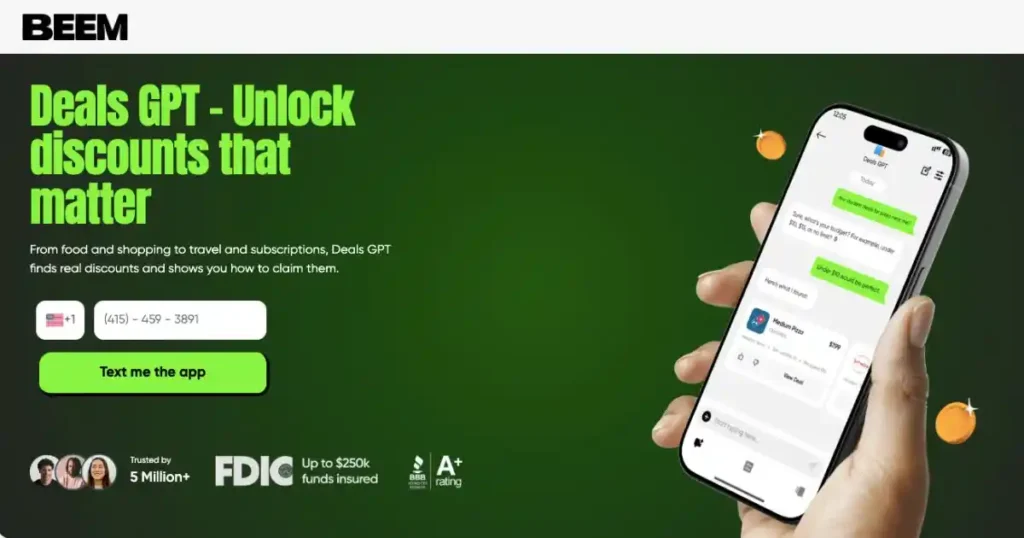
Beem supports this process by tracking rewards with AI Wallet, sending alerts for unused points, and using DealsGPT to maximize your rewards.
How to Turn Loyalty Points Into Real Financial Value
Loyalty points are only useful when they are well utilized. They can be converted into real savings rather than balances that are not utilized with a proper strategy.
Pair Points With Discounts and Cashback
Purchasing with coupons or cashback deals increases the worth of every purchase. This approach combines rewards and other savings, maximizing your benefits.
Use Points to Offset Necessary Expenses
Use of points to redeem daily expenses such as travel, groceries, or subscriptions reduces your direct spending. This makes your rewards more useful, and out-of-pocket expenses lower without having to alter your habits.
Avoid Low-Value Redemptions
The value of some of the redemption options is lower than that of others. Opting to receive cashback or travel rewards as an alternative to merchandise will tend to yield more financial benefits.
Common Mistakes That Lead to Reward Loss
Small, repeated mistakes can often result in loss of the value of rewards. These practices are capable of reducing the point value in the long run. Here are some common mistakes:
Hoarding Points for “Bigger” Rewards
Waiting too long to redeem the points can be a smart idea, but it can be easily devalued. Timely and smaller redemptions can be more worthwhile than keeping them.
Ignoring Expiry Notifications
Failure to meet deadlines translates to loss of points. Frequent monitoring and prompt implementation can be used to make sure that the rewards are consumed before they lapse.
Using Points Inefficiently
When the points are redeemed for low-value options, the value of the options decreases. Identifying the appropriate redemption method will be important in ensuring value maximization.
Managing Too Many Programs Without a System
When there is no definite system to follow and you have to juggle between several reward programs, it becomes hard to track. This leads to missed opportunities and an eroding value.
How Managing Rewards Better Improves Your Financial Health
A good reward management will assist you in developing better habits of finance and increase stability. Minor modifications may result in huge long-term gains.
Unlocking Hidden Value in Your Spending
The everyday purchases can be transformed into real savings through the wise use of the points received. This makes your regular spending more efficient and valuable.
Improving Cash Flow Through Smart Redemption
Saving money by scoring points saves additional cash that can be spent on other requirements. This increases financial flexibility and frees you up financially.
Building Smarter Financial Habits
Keep a record of rewards and put them to good use to make yourself more aware of your spending habits. In the long-term, this will assist you in making more financially sound decisions and keep your expenses under control.
Conclusion: Don’t Let Your Rewards Go to Waste
Loyalty points value can decrease if they are not spent. What seems like an increasing balance will give less in the long run without your realization.
Beem DealsGPT helps you use rewards wisely. It shows smart ways to redeem points before they lose value. This keeps your focus on actual savings instead of letting points sit idle.
DealsGPT turns rewards into real value when it matters. To get more from your everyday spending, download the Beem app and check out DealsGPT.
FAQs
Do loyalty points lose value over time?
Yes, loyalty points are subject to devaluation. Programs can either increase the price of redemption or alter the price, and this devalues the points.
How can I prevent my points from expiring?
You can check the expiration dates on a regular basis, have reminders, and redeem your points now and then. Remaining active in the program will ensure that your points are not lost.
Is it better to save points or use them quickly?
It is generally preferable to use points earlier. Their worth can decrease over time and an extended wait can diminish the profits.
What is the best way to redeem loyalty points?
Cashback or statement credit is usually of better value than merchandise or limited rewards. Flexible options ensure points provide practical financial benefits.
Can I combine loyalty points with other discounts?
Yes, there are numerous platforms where you can use the points together with coupons or cash-back deals. This increases your savings and redemptions are worth more.