

Table of Contents
The price you see isn’t always the price you pay.
Most buying decisions are based on the upfront cost—but that’s only one part of the story. Over time, purchases come with additional expenses like maintenance, subscriptions, upgrades, energy usage, and even replacement costs. When these are ignored, what seemed like a “good deal” can turn out to be far more expensive in the long run.
This is where Total Cost of Ownership (TCO) becomes important.
TCO looks beyond the initial price and answers a more practical question: What will this actually cost me over its lifetime?
Whether it’s a laptop, a car, a subscription, or even a household appliance, understanding the full cost helps you make smarter, more sustainable financial decisions. Instead of focusing on what’s cheapest today, you evaluate what delivers the best value over time.
That’s where a data-driven approach makes a difference.
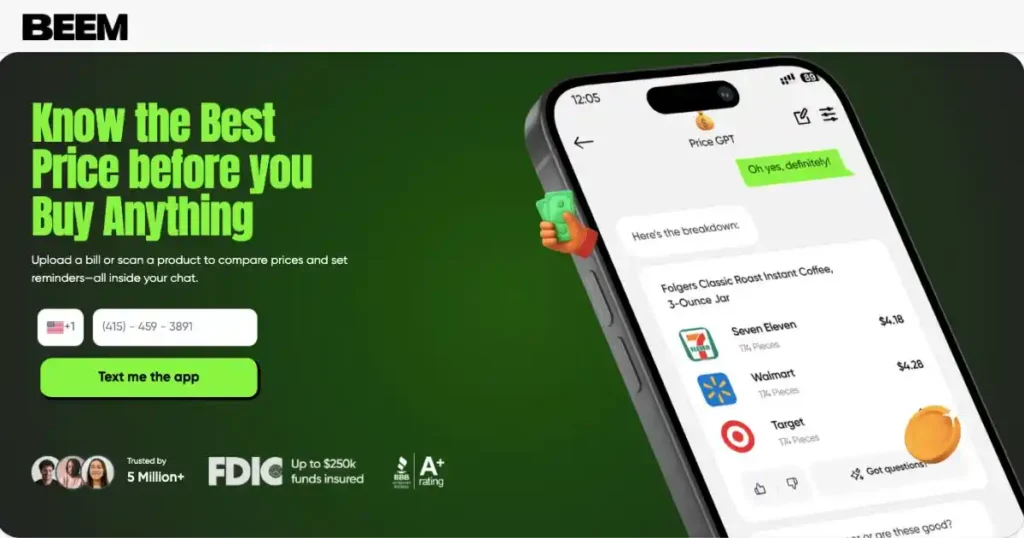
With PriceGPT from Beem, you can compare prices across platforms and identify hidden cost differences before you buy. Combined with BudgetGPT for planning expenses, JobsGPT for increasing income, and DealsGPT for uncovering additional savings, Beem helps you move from short-term decisions to long-term value thinking.
Why the Purchase Price Is Only the Starting Point?
The price at checkout appears final; however, it’s simply the beginning of what the product will in reality cost over time. Let’s break it down.
Cheap Upfront Can Become Expensive Later
A lower rate upfront seems like a win, mainly while cash is tight. However, the savings may fade away in case of frequent repairs, additional parts, or the early replacement of the product. In the long run, these expenses compound, and the less expensive alternative will be more costly than you imagined.
Real Value Comes From Total Spending Over Time
The key question isn’t today’s price; it’s about total spending throughout the product’s life. A slightly higher upfront cost can mean fewer problems, less maintenance, and longer use. This often makes it a better and more reliable choice overall.
Read: Using DealsGPT to Stack Cashback, Coupons, and Gift Cards in the Beem app
What Total Cost of Ownership Actually Means
Total cost of ownership helps us focus on long-term value instead of just price. It looks at everything spent from purchase to replacement. Here is how it works.
It Covers More Than the Product Itself
Ownership includes more than the item in the box. Costs like transport, setup, add-ons, upkeep, subscriptions, and repairs all depend. These expenses might also come later, but they still tie back to the original preference.
It Helps Compare Options More Honestly
Two products can also appear similar in fee; however, their long-term costs can vary broadly. One can also remain longer and require much less maintenance, while another could cause higher spending later that affects its true fee.
When Total Cost of Ownership Matters Most
Not every purchase needs deep calculation, yet some decisions benefit greatly from it. The longer the product is used, the more important this view becomes. Here is where it matters:
Best for Bigger or Long-Term Purchases
Electronics, appliances, furniture, and software often come with ongoing costs. These include maintenance, upgrades, or subscriptions. Since these items are used longer, even small repeated costs can lead to a large total.
Less Important for One-Time Low-Risk Buys
Low-cost items or short-term purchases typically don’t need close tracking. The impact is small, so calculating long-term costs usually won’t change the decision much.
Read: How PriceGPT Compares Everyday Prices So You Stop Overpaying Without Thinking About It
The Main Costs You Should Include
Breaking ownership into clear cost areas makes the calculation easier to manage. The goal is not perfection, but a realistic estimate of total spending. Here’s what to include.
Upfront Purchase and Setup Costs
This covers the product price, taxes, delivery, installation, and any other accessories required. These initial costs are the actual starting point and are to be looked at as a unit.
Ongoing Usage Costs
Certain products continue to expend money in terms of energy consumption, subscriptions, refills, or services. These recurring costs won’t seem large initially; however, they can be vast.
Maintenance and Repair Costs
Cleaning, servicing, part replacements, and low upkeep are part of owning the product. These costs have the ability to make a product either cheap or expensive in the long run.
Replacement and Upgrade Costs
Certain products might require upgrades or replacements earlier than you anticipate. The result of a smaller lifespan can raise the overall expenses, despite the original low price.
Understanding these categories helps keep your calculations on track. Beem PriceGPT makes organizing these costs easier.
Also read: Stop Paying the “Lazy Tax”: How DealsGPT & PriceGPT Automate Savings
How to Calculate It Step by Step?
An organized method makes implementation easier in real situations. Here’s how to calculate it:
Step 1: Start With the Full Checkout Cost
Begin with the total cost. This includes the product price plus taxes, delivery, setup, and any extras. This gives a true starting point rather than just using the listed price.
Step 2: Add the Yearly Running Costs
Calculate your yearly expenses. Consider energy utilization, subscriptions, maintenance, and provider costs. These expenses can greatly impact your long-term consequences.
Step 3: Multiply by Expected Years of Use
Link the yearly costs to how long you plan to use the product. This step turns small recurring expenses into a complete view of ownership.
Step 4: Add Repair or Replacement Risk
Include possible repair costs or early replacement when relevant. This adds realism to the estimate and helps avoid underestimating total spending.
How to Compare Two Purchase Options?
Comparing products becomes more meaningful when the total cost is considered instead of only the base price. Here is how to approach it.
Compare Total Spend, Not Just Base Price
Before making a decision, determine the entire cost of ownership of either option. This reveals whether a lower upfront price is truly cheaper or simply appears that way.
Compare Cost Per Year of Use
Dividing the total cost by the expected years of use helps with comparison. It shows which option offers better value over time, not just at purchase.
Check this out: How PriceGPT Integrates with DealsGPT for Maximum Savings?
Common Costs People Forget to Include
Many buyers are concerned with the apparent expenses and overlook minor recurring expenses. These missed expenses can change the outcome significantly. Here is what is often ignored.
Energy, Refills, and Consumables
There may not seem like much, electricity, batteries, filters, and refill supplies; however, they accumulate over time. These little expenses are able to creep up and raise the total expenditure beyond the expected amount.
Service Plans and Subscriptions
Some products require ongoing payments to function fully. These costs are part of ownership and should be included from the beginning.
Time and Convenience Trade-Offs
Less expensive items might need additional installation, maintenance, or replacement. The extra effort and time involved can also affect overall value, even if it is not always measured in money.
When Paying More Upfront Can Save Money
A higher upfront price is not always a disadvantage. In some cases, it leads to lower costs over time. Here is how.
Better Quality Can Reduce Ongoing Spending
High-quality products last longer and are worth much less to repair. They additionally work extra efficiently, which lowers energy use and renovation needs.
Stronger Support Can Lower Risk
Good warranties and support reduce the chance of unexpected expenses. This added protection becomes part of the product’s long-term value.
Read: Why Comparing Prices Manually Doesn’t Work Anymore?
Common Mistakes Buyers Make With Ownership Cost
Many buyers focus only on the price they see at checkout and overlook how costs build over time. This narrow view often leads to weak decisions. Here is where mistakes happen.
Choosing Based Only on the Lowest Price
The lowest price seems like a safe choice when comparing similar products. But this can be misleading. Cheaper options may need more maintenance, use more energy, or require earlier replacement. This can raise total costs over time.
Underestimating How Long They Will Own It
Products that stay in use for a long time carry ongoing costs that grow with time. Maintenance, energy use, and repairs become more important as ownership continues, which means longer use makes total cost a more critical factor in the decision.
Ignoring Ongoing Fees Until After Purchase
Some costs only show up after you start using the product. These include subscriptions and service plans. This way, you can ensure the product stays a good value after the initial purchase.
How to Build a Better Buying Habit With This Method?
Total cost of ownership does not need to be calculated for every small purchase, yet it becomes valuable for meaningful ones. A simple habit can improve decisions. Here is how to apply it.
Use It for Purchases You Plan to Keep
This method works best for products that will be used for months or years. The longer the ownership period, the more useful it becomes to understand how costs build over time and affect total spending.
Keep the Estimate Simple but Realistic
You don’t need perfect accuracy to make better choices. A simple estimate of ownership costs can offer more insight than just the sticker price. The sticker price often hides the full story.
Focus on Long-Term Value, Not Just Checkout Relief
The aim isn’t only to cut costs today. It’s about making choices that save more in the long run. Thinking about long-term value helps you make steadier and more confident buying decisions.
This habit improves how you assess purchases over time. Beem PriceGPT supports this approach by making price comparisons and long-term value easier to understand.
This may interest you: Why Bills Are the Biggest Reason Budgets Fail?
Conclusion
A low upfront price doesn’t always mean a low overall cost.
Total Cost of Ownership shifts your perspective from “What does this cost now?” to “What will this cost me over time?”—and that’s where smarter financial decisions begin. By factoring in maintenance, usage, upgrades, and lifespan, you avoid surprises and choose options that truly deliver value.
The goal isn’t just to spend less—it’s to spend smarter.
With PriceGPT from Beem, you can evaluate pricing more effectively and spot hidden cost differences before committing. Instead of focusing only on the sticker price, you gain a clearer picture of long-term value.
When combined with BudgetGPT for financial planning, JobsGPT for boosting income, and DealsGPT for finding additional savings, you create a complete system for making better, more informed purchasing decisions.
The result is simple:
Fewer costly surprises, better long-term value, and more control over every financial decision you make.
Download the Beem app today from the Apple App Store or the Google Play Store and start making decisions based on total value—not just price.
FAQs
What does the total cost of ownership mean?
Total cost of ownership is the overall cost of buying, using, retaining, and changing a product. It offers a clearer picture than simply the initial price.
Why is the total cost of ownership important?
It allows buyers to avoid products that appear cheap but end up costing more later. In this way, it is easier to make comparisons of actual long-term value.
What costs should I include in the total cost of ownership?
Total cost of ownership consists of the acquisition charge, taxes, shipping, setup, maintenance, working charges, repairs, subscriptions, and replacement risks.
Is the total cost of ownership useful for small purchases, too?
It is best with long-term or more expensive products, but may also be used with repeat purchases where minor recurring expenses accumulate.
How do I compare two products using the total cost of ownership?
To examine two products, calculate the total cost for each over its expected lifespan. Then, have a look at the overall spend or price per year to see which offers better value.