
Table of Contents
We’ve all seen it—a product listed at an unbelievably low price. Maybe it’s a laptop for half its usual cost or a premium item marked far below market value. The immediate question is: Is this real—and if I buy it, does the retailer have to honor it?
The answer isn’t always straightforward.
Pricing errors happen more often than you’d expect—due to system glitches, human mistakes, or incorrect listings. But just because you see a price doesn’t always mean the retailer is legally required to sell it at that price. This creates confusion for shoppers who assume a displayed price is a guaranteed deal.
The reality lies somewhere in between.
Some pricing mistakes must be honored. Others can legally be canceled or corrected. The challenge is knowing the difference—and understanding your rights as a consumer.
That’s where awareness and smart validation come in.
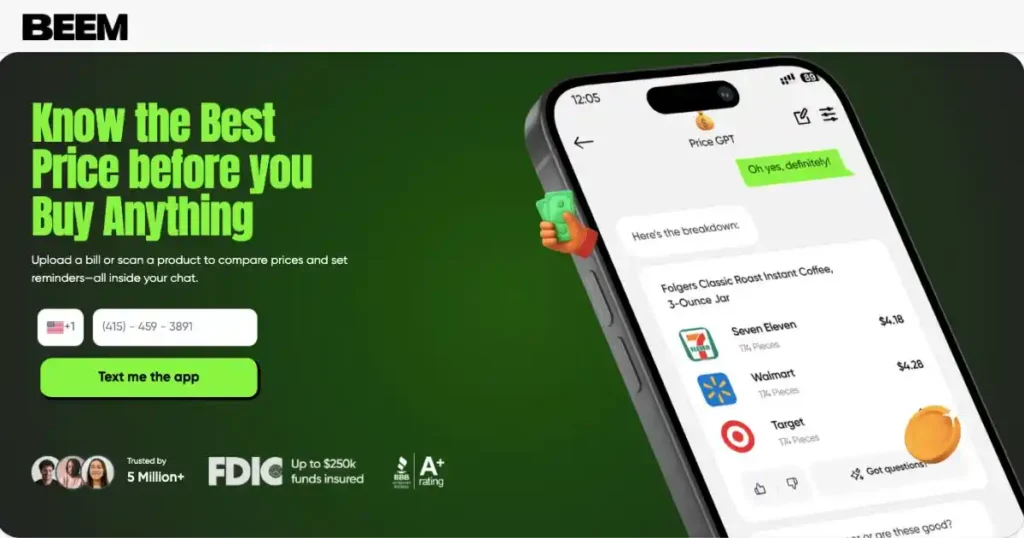
With PriceGPT from Beem, you can compare prices across platforms and quickly identify whether a deal is realistic or likely an error. Combined with BudgetGPT for managing spending, JobsGPT for increasing income, and DealsGPT for uncovering real savings, Beem helps you make informed decisions—even when prices seem too good to be true.
Why Price Errors Happen More Than You Think?
Pricing mistakes are more common than you may assume. They frequently occur when systems update at special times or when human input is involved. These problems have a tendency to spike at some stage during busy intervals. Here’s why they manifest.
Digital and Store Prices Can Fall Out of Sync
Online listings and in-store systems don’t update each other. This creates gaps in pricing accuracy. During these gaps, a product might display one price online and a different one in another. This can briefly confuse buyers.
Promotions Increase the Risk of Errors
Sales, coupons, and bulk offers add complexity to pricing. When multiple reductions are observed straight away, small mistakes can slip in. This increases the probability of incorrect pricing performing at checkout or on shows.
Understanding those causes can assist reduce confusion and improve attention. Beem PriceGPT supports this by making price comparisons clearer across different sources.
What Counts as a Price Error?
Not every price difference is an error, which can make these situations harder to understand. A true error usually involves a mismatch between the displayed and charged price. Here is how to identify it.
Scanning Errors at Checkout
A product may be priced at a better price than what was shown on the shelf or listing, which is one of the most common pricing troubles. These mistakes regularly happen because of previous entries or not on time machine during checkout.
Incorrect Online Listings
Products may sometimes appear at unusually low or high prices because of input mistakes or delayed updates. These listings can be corrected quickly, especially before a purchase is completed, which means the displayed price may not always be final.
Read: Using DealsGPT to Stack Cashback, Coupons, and Gift Cards in the Beem app
What Retailers Usually Owe You?
Retailers have certain responsibilities, yet these depend on timing, policy, and whether the purchase is complete. In many cases, obligations become stronger after payment is made. Here is what usually applies
Correction of Overcharges
If a customer is charged more than the amount shown, most of the retailers will make a refund. This will enable the store to keep the client in trust.
Honoring Displayed Prices in Some Cases
Some stores will honor the displayed or advertised price if the error is clear and the sale is complete. However, this varies by store policy and region.
What Retailers Do Not Always Owe You?
Not every pricing mistake results in a benefit for the buyer, even if it seems unfair. Some errors are corrected before they become valid transactions. Here is where limits apply.
Obvious Pricing Mistakes
Extremely low prices caused by clear system or input errors are often not honored by retailers. In such cases, stores usually reserve the right to cancel the order or correct the listing before completing the transaction.
Pre-Purchase Price Displays
Prices shown before checkout may change and are not always final. Retailers can correct any displayed price before the sale is completed.
Read: How to Slowly Move More of Your Financial Life Onto Autopilot With Confidence?
How Timing Affects Your Rights?
Timing plays a key role in how price errors are handled, especially when comparing before and after payment stages. Rights often become clearer once a transaction is completed. Here is how timing changes the situation.
Before Payment Is Completed
Retailers usually have the right to correct or cancel incorrect pricing before the transaction is finalized. At this stage, buyers may not have a strong claim, as the sale has not yet been completed or confirmed.
After Payment Is Processed
Once payment is accepted, buyers generally have stronger grounds to request a correction. Refunds or adjustments are more likely at this stage, especially when proof of the displayed price is available.
How to Respond When You Spot a Price Error?
When you act quickly on a price error, you are more likely to achieve a reasonable result. The focus should stay on proof and timing. Here is how to respond effectively:
Capture Proof of the Displayed Price
Taking a photo or screenshot of the charge allows for clear evidence of what was proven. It makes it simpler to explain the issue when contacting the store.
Contact the Seller or Store Promptly
Raising the issue right away and acting fast facilitates resolving the hassle. Delays can weaken your case, particularly if the fee changes or is harder to confirm later.
Stay Clear and Specific in Communication
Clearly explain the difficulty, together with the fee difference and what you anticipate to assist keep away from confusion. Also, precise communication smooths the procedure and speeds up the decision.
By following the above steps, you can make a big difference. Beem PriceGPT supports this by helping buyers stay informed and act with confidence.
Check this out: How Purchase Intelligence Helps You Compare “Want” vs “Need” in Real Time
How Store Policies Shape Outcomes?
Every retailer has its policies on how to correct pricing errors. This means outcomes can differ. Policies often decide if a price is honored, corrected, or canceled. Here’s why they matter.
Some Stores Offer Price Accuracy Guarantees
Certain retailers offer guarantees for pricing errors. They promise corrections or small compensation when mistakes occur. These policies construct belief and display a dedication to fair pricing, which could lead to smoother outcomes for consumers.
Others Reserve the Right to Cancel Orders
Most retailers have conditions that allow them to cancel the order when there is a wrong price, particularly online. This helps in dealing with system errors, but it can be frustrating when a deal collapses.
Common Mistakes Buyers Make With Price Errors
Price errors can be frustrating. Nevertheless, minor misunderstandings tend to complicate matters. Preventing frequent errors can enhance the possibility of a just decision. Here’s where issues arise.
Assuming Every Error Must Be Honored
Buyers often believe that any displayed price must be honored, yet this is not always true. Before payment is completed, retailers may correct errors without being required to sell at that incorrect price.
Not Checking Receipts After Purchase
Sometimes, the overcharging is detected once you leave the store. These errors can be noticed by looking at the receipts immediately after a purchase. This enhances your probability of a quick fix.
Waiting Too Long to Raise the Issue
Delaying a complaint may be detrimental to your chances of a resolution. Pricing details can be difficult to check or alter. Timeliness will help in keeping the information concise and enhancing the chances of having a fair response.
These errors can be avoided to achieve improved results. Beem PriceGPT helps you make smarter shopping decisions.
This may interest you: How AI Can Help You Decide Between Saving, Paying Debt, or Spending Today
How to Protect Yourself From Price Errors?
Simple habits can save you money by paying less than you need to or missing out on refunds. These steps are simple and enhance your self-confidence as you shop. Here’s how to stay protected:
Double-Check Prices at Checkout
It is possible to confirm the ultimate price prior to payment in order to detect mistakes early. This is essential in checkout systems or online carts, where minor discrepancies can easily be overlooked without taking a close examination.
Keep Proof of Pricing When It Matters
Save receipts or take screenshots of product fees for clear evidence if problems come up later. This documentation helps support your declaration and makes it easier to give an explanation for the scenario to the retailer.
Know Basic Store Policies
Understanding how a retailer handles pricing errors sets clear expectations. By being familiar with these rules, one would not have to get confused about what to do, and in case a pricing issue occurs, it would be easy to react without panic.
These habits result in a more assuring shopping experience. With Beem PriceGPT, it becomes easier to stay informed and avoid unnecessary pricing issues.
Read: How AI Helps You Simulate “What If” Scenarios Before Making Big Money Decisions
Conclusion
Pricing errors can feel like lucky breaks—but they’re not always guaranteed wins.
While consumer protection laws ensure fairness and transparency, they also recognize that genuine mistakes can happen. That’s why not every low price must be honored—especially when it’s clearly an error.
The smartest approach isn’t just reacting—it’s validating.
With PriceGPT from Beem, you can quickly assess whether a price is realistic or too good to be true. Instead of relying on assumptions, you compare across platforms and make informed decisions.
When combined with BudgetGPT for planning, JobsGPT for increasing income, and DealsGPT for finding genuine discounts, you gain a complete system for smarter spending.
The result is simple:
Fewer surprises, better decisions, and confidence in every purchase—even when prices look unbelievable.
Download the Beem app today from the Apple App Store or the Google Play Store and start making smarter, more informed buying decisions every time.
FAQs
Do stores have to honor a wrong price?
Not always, especially when the error is obvious or corrected before purchase. Store rules and local laws usually decide if the rate needs to be verified.
Can I get a refund if I was overcharged?
Many shops will refund the difference in case you paid more than the displayed fee. Having proof, like a receipt or a photograph, supports your claim.
What should I do if I see a pricing mistake online?
Take a screenshot and double-take a look at the rate before buying. Online fees can exchange rapid, so having proof is beneficial if the fee modifications later.
Does it matter if I already paid?
Yes, payment confirmation usually strengthens your position. Retailers are more likely to correct pricing issues after a completed transaction compared to situations before payment.
How can I avoid issues with price errors?
You can avoid price mistakes by checking the prices intently at checkout. Also, keep the receipts or screenshots, and act quickly if something seems off.