
Table of Contents
Online shopping often feels cheaper than buying in-store. Lower listed prices, exclusive discounts, flash sales, and convenient delivery options make digital shopping seem like an easy way to save money.
But many shoppers discover a different reality at checkout.
Shipping fees, handling charges, service costs, and sales taxes can quietly transform what looked like a great deal into a purchase that costs nearly the same—or sometimes even more—than buying locally. A product that appeared heavily discounted at first can quickly lose its price advantage once additional charges are added to the final total.
This is what many shoppers experience as the “shipping tax trap.”
The problem is not just taxes themselves.
It’s the way hidden checkout costs distort how consumers perceive savings during the shopping process.
Retailers often emphasize the base price while delaying shipping costs and taxes until the final checkout stage. This makes products feel cheaper psychologically, even when the total ownership cost tells a very different story.
As a result, shoppers may:
- Overspend unintentionally
- Ignore local alternatives
- Buy unnecessary add-ons to unlock “free shipping”
- Underestimate the true final cost of purchases
That’s why smart shopping requires evaluating the complete checkout price—not just the advertised discount.
With PriceGPT from Beem, users can compare total purchase costs more accurately and identify whether online deals create real savings after shipping and taxes are included. Combined with BudgetGPT for smarter spending management, JobsGPT for improving financial flexibility, and DealsGPT for uncovering additional savings opportunities, Beem helps users make more informed purchasing decisions without falling into hidden checkout cost traps.
What Is Price Anchoring?
Price anchoring is an approach that impacts how customers perceive product value. The first price they see is a mental reference point. Other prices then seem either expensive or affordable compared to this anchor.
For instance, a couple of $120 shoes can also look like a good buy next to $300 shoes. Even if $120 feels high at first, the higher price alters how the lower price is viewed.
Read: How AI Helps You Simulate “What If” Scenarios Before Making Big Money Decisions
Why Price Anchoring Works So Well?
Price anchoring works because the brain naturally prefers faster comparisons over deeper financial analysis. It affects online shopping, restaurant menus, subscription plans, electronics, luxury products, and many everyday retail purchases shoppers make regularly. Here’s why price anchoring works so well:
- Quick Mental Comparisons
Most shoppers compare products quickly instead of carefully reviewing whether the price truly matches the product’s usefulness or long-term value.
- Relative Price Judgments
Shoppers often judge fees relative to nearby products rather than deciding whether the item itself is reasonably priced for their real needs.
- Controlled Shopping Environment
Retailers set up products, expenses, and comparisons to help guide shoppers’ selections. This makes spending feel more comfortable.
For example, a $150 jacket may additionally appear expensive on its own. But after a $400 dressmaker model, it looks reasonable. This is how fee anchoring shifts spending decisions while purchasing.
This may interest you: How AI Can Help You Decide Between Saving, Paying Debt, or Spending Today
Common Price Anchoring Tricks Retailers Use
Retailers use diverse pricing tricks to shape how buyers see discounts and product value. Here are a few not-unusual anchoring tricks you would encounter.
The “Original Price” Discount
Retailers frequently display a product marked down from $199 to $79. Even if the object rarely sells for $199, the cut price feels larger. The original price creates a strong anchor in the shopper’s mind.
Decoy Pricing
Decoy Pricing is commonplace in cafés and fast-food menus. For example, a small espresso costs $4, a medium prices $6.50, and a large costs $6.75. The medium option makes the large coffee appear to be a better deal due to the fact that the fee difference feels small.
Premium Product Placement
Retailers often place expensive products first. This strategy changes how shoppers see other prices. After seeing an expensive item, many lower-priced products appear affordable in comparison.
Subscription Tier Manipulation
Many streaming services and software plans use this tactic. A Basic plan costs $9, a Pro plan costs $19, and a Premium plan costs $22. Since the Premium choice is simply slightly higher, customers regularly view it as a better value.
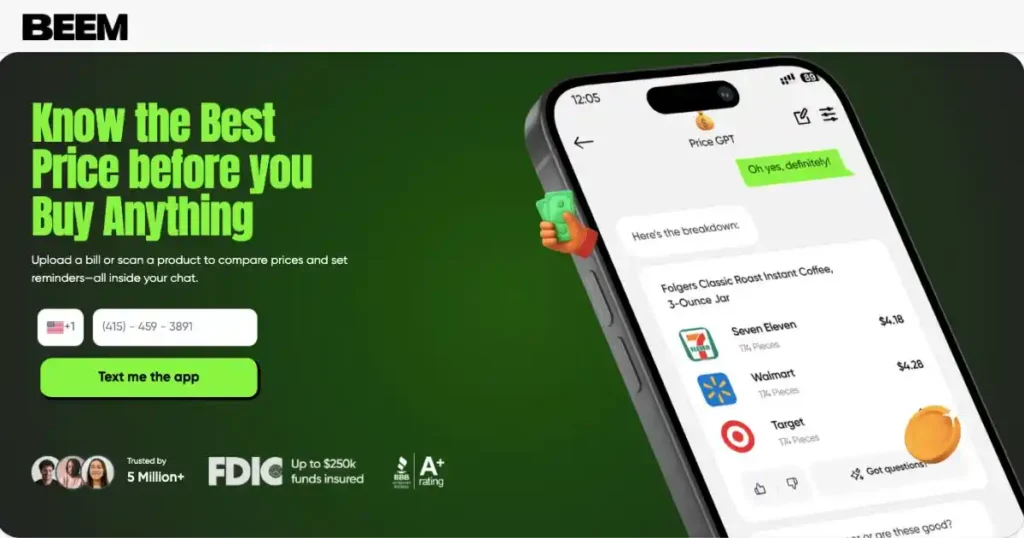
Understanding those tactics can help you make smarter and higher spending choices. PriceGPT from Beem allows shoppers to compare actual product costs throughout stores, making it simpler to identify pricing tricks before making emotional purchases.
Read: How PriceGPT Compares Everyday Prices So You Stop Overpaying Without Thinking About It
Why Anchoring Leads to Overspending?
Price anchoring changes how buyers sense approximately spending. Instead of focusing on needs or budgets, many react emotionally to reductions and comparisons.
Shoppers often think more about how much they may be “saving” than whether the product is certainly wanted. A good discount can seem rewarding, even if the purchase wasn’t planned.
Expensive items nearby can also make for a better spending experience every day. For instance, a $250 jacket may additionally seem less costly after seeing a $700 clothier model first. In this manner, shoppers frequently spend more, not due to the product offering a higher value, but because it feels less expensive in comparison.
How to Fight Price Anchoring?
Price anchoring loses its grip while shoppers take their time and focus on actual value. Simple shopping habits can reduce pointless spending and boost clever financial selections. Here’s how to dodge emotional pricing while shopping:
Set Your Budget Before Shopping
Creating a budget before you save allows you to stick to your spending limits. This keeps retailers from swaying your experience of what appears to be affordable during comparisons.
Compare Products Across Multiple Stores
Retailers use numerous pricing strategies and layouts to influence purchases. Comparing products at exclusive shops offers you a better view of the market charge and overall value.
Ask: “Would I Buy This at Full Price?”
This simple question helps shoppers separate real need from emotional reactions created by discounts and price comparisons. If the answer is no, the product may not be necessary.
Focus on Cost Per Use
A more expensive product isn’t always a poor value if it lasts longer or is used regularly. In the same way, much less expensive products might cost more over time if they wear out quickly.
By careful comparisons and slower looking for choices, shoppers can stay more focused during sales and avoid spending money more effectively because a product seems like a good deal.
This may interest you: What Is JobsGPT and How It Helps You Find the Right Job
Online Shopping Makes Anchoring Stronger
Online shopping makes price anchoring even more powerful because many websites are designed to create urgency and emotional reactions. Small pressure tactics can quickly influence spending decisions without shoppers fully realizing it. Here’s when online shopping makes anchoring stronger:
- Flash sales
- Countdown timers
- “Only 2 left” warnings
- Crossed-out prices everywhere
These shopping methods aim to create urgency and pressure for emotional spending. Taking time to compare products allows shoppers to make more informed choices. PriceGPT from Beem helps shoppers focus on actual product value and final prices instead of the emotional pressure created during online shopping experiences.
Smart Shoppers Use Delayed Decision-Making
Pausing earlier than making massive purchases enables buyers to think more clearly. It also helps them resist emotional decisions driven by pricing pressure. Here’s what shoppers can do:
- Wait 24 hours Before Buying
Taking 24 hours before purchasing expensive products reduces emotional urgency and creates more time to compare value carefully.
- Remove emotional urgency
Stepping far from sales pages and countdown timers helps consumers think more clearly about whether the purchase is really vital.
- Review Real Value
A short delay can help you higher decide a product’s usefulness, quality, and long-term cost. In this manner, you won’t just react to discounts.
PriceGPT from Beem helps shoppers make smarter comparisons. It specializes in real cost rather than quick emotional reactions at the point of purchase.
Read: JobsGPT for Delivery & Rideshare Drivers: Identify High-Earning Time Slots
The Difference Between Value and Perceived Value
Some products seem more precious due to their price and presentation, not usually due to satisfactory or long-term usefulness. Retailers regularly play on emotions to make shopping more manual for alternatives. Let’s understand the difference:
- Real value comes from usefulness, quality, durability, and long-lasting performance. A product that lasts longer and works properly normally gives a better long-term value.
- Perceived fee is the emotional reaction shaped by pricing and marketing. A product may also appear extra precious just because it appears costly or is heavily discounted.
Understanding this difference enables customers to focus more on practical value instead of the emotional pricing influence.
How Beem Helps You Avoid Emotional Spending?
Emotional purchasing decisions become easier to control when spending habits feel more visible and organized. Beem offers AI tools that aid smarter financial choices and better product comparisons.
- Tracks Spending Habits: Beem enables users to understand shopping patterns and recognize how small impulse purchases slowly increase monthly spending over the years.
- Supports Better Budgets: PriceGPT helps customers evaluate prices cautiously before buying products, making budgeting choices feel more sensible and less complicated to manipulate regularly.
- Instant Cash Support: Beem offers as much as $1,000 through Everdraft™ for planned emergencies. There are no interest costs, credit checks, or constant repayment deadlines.
Better financial attention cuts down on emotional spending. It fosters buying behavior that targets sensible value, not simply price.
Read: Best Job Search Tools Like JobsGPT in the U.S.
Conclusion
The lowest advertised price does not always create the lowest final cost.
Shipping fees, taxes, handling charges, and checkout add-ons can quickly erase online savings that initially looked attractive. In many cases, shoppers focus so heavily on discounts and promo codes that they overlook the total amount they are actually paying by the time checkout is complete.
That’s why understanding the shipping tax trap matters.
The smartest shoppers compare full purchase costs before making decisions. They evaluate:
- Final checkout totals
- Delivery costs
- Tax impact
- Return expenses
- Local alternatives
- Free shipping thresholds
instead of relying only on headline discounts or promotional pricing.
In some situations, online shopping still creates excellent value. In others, the perceived savings disappear once hidden costs are included. The key is recognizing the difference before clicking “buy.”
With PriceGPT from Beem, users can evaluate true purchase costs more clearly and determine whether online deals genuinely save money after all charges are included. Paired with BudgetGPT for spending visibility, JobsGPT for improving financial flexibility, and DealsGPT for uncovering smarter savings opportunities, Beem helps users shop more strategically while avoiding hidden checkout surprises.
Download the Beem app today from the Apple App Store or the Google Play Store and start making shopping decisions based on real value—not misleading checkout pricing.
FAQs
What is price anchoring in marketing?
Price anchoring is a strategy where the first price shoppers see sets the standard for comparing all other products.
Why do retailers show inflated original prices?
Retailers display higher original prices to make discounts seem bigger. This creates stronger emotional reactions during shopping.
How does price anchoring affect spending decisions?
Price anchoring makes a product experience an extra low price. Shoppers tend to spend more because objects seem inexpensive after better-priced alternatives.
What is decoy pricing?
Decoy pricing offers a much less attractive preference to make a product seem like the better preference during comparisons.
How can I avoid emotional spending while shopping?
You can evaluate merchandise, set budgets before purchasing, wait on huge purchases, and use PriceGPT from Beem to avoid emotional spending while buying.