

Table of Contents
Flash sales create urgency. Countdown timers, limited stock alerts, and “today only” promotions are designed to make shoppers feel like they need to act immediately before the deal disappears.
Ongoing discounts work differently. Instead of intense urgency, they offer steady price reductions that remain available over longer periods of time. While they may feel less exciting, they can sometimes provide better overall value with less pressure and fewer impulsive decisions.
The challenge is that many shoppers automatically assume flash sales always offer the biggest savings. But that is not always true.
In some cases, flash sales create genuine opportunities for meaningful discounts, especially during inventory clearances, holiday events, or seasonal promotions. In other situations, the urgency itself becomes the primary marketing tool, while the actual savings are minimal or similar to regular ongoing discounts available throughout the year.
That’s why smart shoppers evaluate more than just the advertised percentage off. They compare:
- Historical pricing
- Shipping costs
- Return policies
- Product quality
- Total ownership value
- Emotional pressure created by the promotion
instead of reacting only to countdown timers and scarcity tactics.
The goal is not avoiding flash sales completely.
It’s learning how to separate real value from urgency-driven marketing.
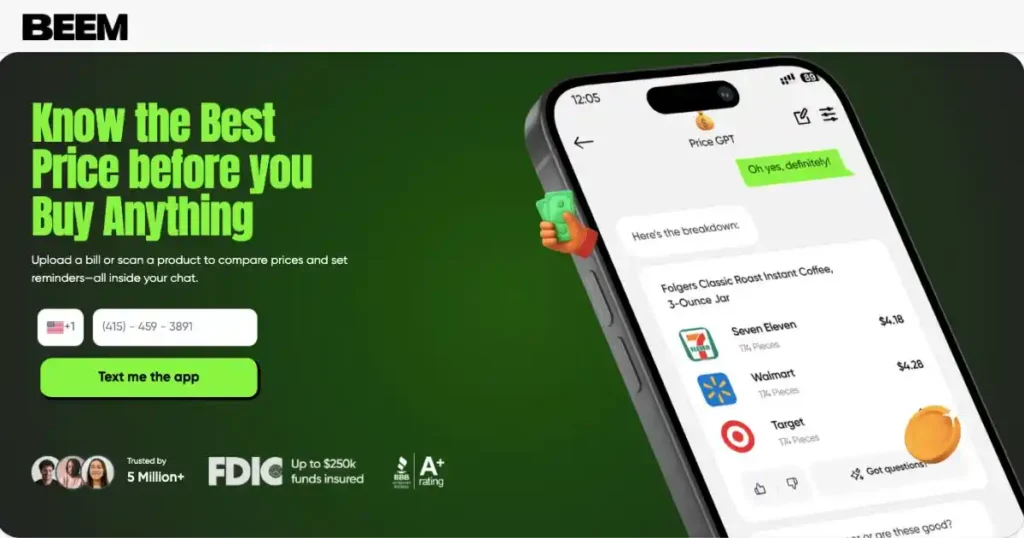
With PriceGPT from Beem, users can compare pricing trends and evaluate whether flash sales truly create better value than regular discounts. Combined with BudgetGPT for spending awareness, JobsGPT for improving financial flexibility, and DealsGPT for uncovering smarter savings opportunities, Beem helps users make more informed shopping decisions without falling into unnecessary pressure spending.
What Is a Flash Sale?
Flash sales are described as a short-time period sale that is supposed to get buyers to make quicker buy selections. These discounts normally remaining for only a few hours, days or maybe entire weekends before they expire alternatively speedy.
Retailers use flash sales to create urgency and increase sales for the duration of busy shopping instances. Here are some even when these sales are common:
- Black Friday
- Prime Day
- holiday weekends
While flash income can cause actual savings, the stress may additionally purpose consumers to spend emotionally. This can hinder careful price comparisons and thoughtful buying options.
Read: How to Use Price Protection Policies (Credit Card & Retailer) to Save Money?
What Are Ongoing Discounts?
Ongoing discounts are rate cuts that remain longer than just a few hours or days. These discounts regularly show up during the year and might emerge as part of a store’s normal pricing. Common examples include:
- Seasonal markdowns
- Student or military discounts
- Membership pricing
- Everyday sale pricing
Some “limited-time” offers aren’t temporary and may last for weeks or even months. This helps shoppers shop in a slow-paced manner to shop smarter rather than buying in a rush at check-out.
Why Flash Sales Feel So Powerful?
Flash income are thrilling, as they invent pressure to make a brief decision earlier than the sale is over. Small shopping triggers affect emotions more than many realize. Here’s why flash sales are hard to ignore during big events.
Countdown Timers Create Urgency
Countdown timers make shoppers feel time is short. A product may seem more valuable when the discount is about to end.
Limited Stock Creates Pressure
Messages like “Only 2 left” spark fear of missing out. Shoppers may hurry to checkout because the product feels scarce.
Focus Shifts Toward the Discount
Many shoppers concentrate on how much they are “saving.” They often forget to consider if the product is needed or fits their budget.
Emotional Buying Increases Quickly
Shopping under time pressure boosts emotional spending. When there may be a hurry to store, or a discount, shoppers rush to make their decisions.
Knowing those strain approaches can also help customers slow down and don’t forget earlier than buying.
This may interest you: Why Bills Are the Biggest Reason Budgets Fail?
Flash Sale vs Ongoing Discount: What Really Matters?
Flash income can appear interesting, but the biggest cut price isn’t the first-rate deal. Comparing gives allows customers see if they may be actually saving money or just feeling forced to shop for.
Compare the Final Price
A big percentage off looks good, but the final checkout price is what counts. Extra charges can quietly raise the total during checkout. Shoppers should check:
- Shipping costs
- Taxes
- Membership fees
- Bundle requirements
A 40% flash sale might end up being pricier than a regular deal once these costs are added.
Check Historical Pricing
Some retailers will raise prices ahead of sales to create the illusion of an even higher discount. Comparing past prices provides the shopper with a good indication of whether a good price is being offered or just clever marketing. Useful tools include:
- Price trackers
- Browser extensions
- Historical price sites
Real discounts are based on trends over the long term, rather than short-term deals designed to create a sense of urgency.
Evaluate Product Necessity
If you can plan ahead, purchase large objects like home equipment, laptops, or TVs during sales to save money. Before buying, shoppers should pause and consider:
- Was this in my budget?
- Would I still want it without the timer?
- Does this meet a real need or just create excitement?
Taking time to compare and think often leads to better savings than rushing through checkout during flash sales.
Read: How to Track Monthly Bills Automatically?
When Flash Sales Actually Make Sense
Flash income can appear interesting, but the biggest cut price isn’t the first-rate deal. Comparing gives allows customers see if they may be actually saving money or just feeling forced to shop for.
- Seasonal Electronics Discounts: Electronics frequently see large discounts at some stage in Black Friday, Prime Day, and principal shopping weekends. Buying during those times can cause awesome financial savings
- Expensive Planned Purchases: If you can plan ahead, buy big items like appliances, laptops, or TVs during sales to save money.
- Holiday Shopping Events: Get popular items at the lowest prices of the year. These events are monitored to enable shoppers to get a better deal for gifts.
Flash sales work best when the purchase is already a good idea before the timer starts, adding pressure.
Read: Why Comparing Prices Manually Doesn’t Work Anymore?
When Ongoing Discounts Are Better?
There are times when it is not a necessity to buy the product during emergency sales. Ongoing discounts provide regular savings on a daily basis. Here’s when they are better:
- Household Essentials: If you can plan ahead, purchase large objects like home equipment, laptops, or TVs during sales to save money.
- Subscription Services: If you’re looking to get streaming services, software, and memberships, you can generally find solid long-term prices. These are much more predictable than flash sales.
- Frequently Discounted Products: Some items can be seen to sell regularly during the year. Similar savings can be achieved by waiting without the added stress of an immediate purchase.
Ongoing discounts make the shopping experience less stressful, and more economical for those who plan for a long-term enterprise instead of an instant purchase.
The Hidden Cost of Flash Sales
Flash sales may sound exciting, but quick purchasing decisions can result in bigger purchases later on. Here are some hidden cost of these sales:
- Impulse Purchases Rise: Sales that have to be done now get shoppers to purchase products that they were not intending to purchase.
- Extra Spending for Free Shipping: Many shoppers often spend more to get free shipping on items that they don’t really need.
- Return Fatigue Grows: Big sales lead to more returns since emotional buys often bring regret later.
- Forgotten Purchases Stack Up: Some items purchased at a discount are never used, then “savings” become wasted money.
These hidden costs reveal ways to keep consumers from being tricked into buying an item for an initially low price only to end up paying more than they expected later on.
Check this out: How PriceGPT Integrates with DealsGPT for Maximum Savings?
Smart Strategy: Delay the Purchase
Instead of buying right away, try to delay your purchase. Taking a short wait helps the shoppers to do the comparison and cool down their emotions. Here are some strategy you can follow:
- Wait Before Buying: Wait 24 hours earlier than buying whatever non-essential. This reduces impulsive choices pushed by way of reductions and limited-time gives.
- Compare Competing Retailers: Check competing Retailers. You can also find comparable or better offers, but you won’t have to worry about a sale that will expire.
- Review the Budget First: Look at your budget before buying. This means that you can be certain that you will be buying something that is in line with your financial objectives.
Pausing often stops unnecessary purchases that seemed urgent during flash sales.
How Smart Shoppers Stack Discounts?
Smart shoppers save more by combining small savings strategies. They don’t just rely on one flash sale or urgent discount. Cashback cards, coupon codes, cashback portals, loyalty rewards, and price protection policies all help lower the final cost when used together.
The best savings come from careful planning, not impulse buying. A smaller discount combined with cashback and coupons can save more value than rushing for a flash sale on big shopping occasions.
Also read: Stop Paying the “Lazy Tax”: How DealsGPT & PriceGPT Automate Savings
How Beem Helps You Avoid Overspending?
Shopping seasons often push people to spend quickly during big sales. PriceGPT helps shoppers compare prices clearly, reducing confusion. This way, they can see better product value before buying online. Here’s how Beem supports shoppers:
- Tracks Shopping Habits
Beem tracks shopping behaviours and impulse buys. This helps shoppers see where they overspend most during busy online sales.
- Creates Realistic Budgets
Beem BudgetGPT helps shoppers set realistic spending limits before shopping seasons start. This cuts down on stress and impulse buys later.
- Emergency Cash Support
Beem offers access to up to $1,000 through Everdraft™ for real emergencies. There are not any hobby charges, due dates, or credit score checks in difficult situations.
Better spending awareness results in smarter buying behavior through the years. Beem facilitates clients feel comfortable while shopping for in the course of flash income, holiday promotions, or regular purchases.
Read: How PriceGPT Compares Everyday Prices So You Stop Overpaying Without Thinking About It
Conclusion
Flash sales can create excellent savings opportunities—but they can also create emotional pressure that leads to impulsive spending.
The smartest shoppers understand that urgency alone does not guarantee value. A countdown timer or “limited stock” warning may encourage faster decisions, but real savings depend on the total purchase value, not just the excitement surrounding the promotion.
That’s why comparing flash sales against ongoing discounts matters. In many cases, regular promotions may offer similar pricing with:
- More flexibility
- Better return policies
- Less pressure
- More time for comparison shopping
The key is slowing down enough to evaluate whether the discount genuinely improves the purchase or simply creates fear of missing out.
Smart shopping is not about chasing every sale.
It’s about making intentional decisions based on real financial value.
With PriceGPT from Beem, users can evaluate sales more objectively and compare whether flash promotions create meaningful long-term savings. Paired with BudgetGPT for spending visibility, JobsGPT for improving financial flexibility, and DealsGPT for uncovering additional savings opportunities, Beem helps users shop more confidently while avoiding unnecessary impulse purchases.
Download the Beem app today from the Apple App Store or the Google Play Store and start making smarter shopping decisions based on value—not pressure.
FAQs
Are flash sales actually cheaper than regular discounts?
Not always! flash sales cheaper than regular discount sales because the shipping costs, taxes, bundle deals, and hidden costs can make the regular sales a better value.
Why do flash sales create urgency?
Flash sales create urgency with countdown timers, limited-stock warnings, and short timeframes. These strategies make people impulsively make choices.
How can I check if a sale price is real?
Take advantage of price tracking, browser extensions, and historical pricing tools. They help them understand the discounts they are seeing in relation to long-term price trends.
Should I wait before buying during a flash sale?
You can wait because it reduces emotional pressure. It provides shoppers with time to shop around, consider budgets, and evaluate the demand for products.
What is the smartest way to save money while shopping?
The smartest way is to combine cashback, coupon codes, price comparison, and budgeting. Also, you can use PriceGPT, which helps you to find the best price.