

Table of Contents
Counterfeit electronics have become increasingly difficult to identify. Fake smartphones, chargers, earbuds, batteries, smartwatches, gaming accessories, and computer components are now designed to closely resemble genuine products, making it easy for shoppers to believe they are getting a great deal.
At first glance, the lower price can feel like an opportunity to save money. But counterfeit electronics often come with serious risks hidden behind the discount.
Poor build quality, overheating, battery failures, weak performance, missing safety certifications, fake warranties, and even data security concerns are common problems associated with counterfeit devices. In some cases, fake electronics can damage other devices, create fire hazards, or stop working entirely after only a short period of use.
The challenge is that counterfeit products no longer always look obviously fake. Many copy packaging, branding, serial numbers, and online listings extremely well, especially through third-party marketplaces and unofficial sellers.
That’s why smart shoppers focus on verification—not just pricing.
Checking seller credibility, warranty coverage, product reviews, certification markings, serial number validation, and pricing patterns can help consumers identify warning signs before making a purchase. If a deal looks dramatically cheaper than every legitimate retailer, there is often a reason behind it.
The goal is not avoiding discounts completely.
It’s making sure the savings do not come at the cost of safety, reliability, or long-term value.
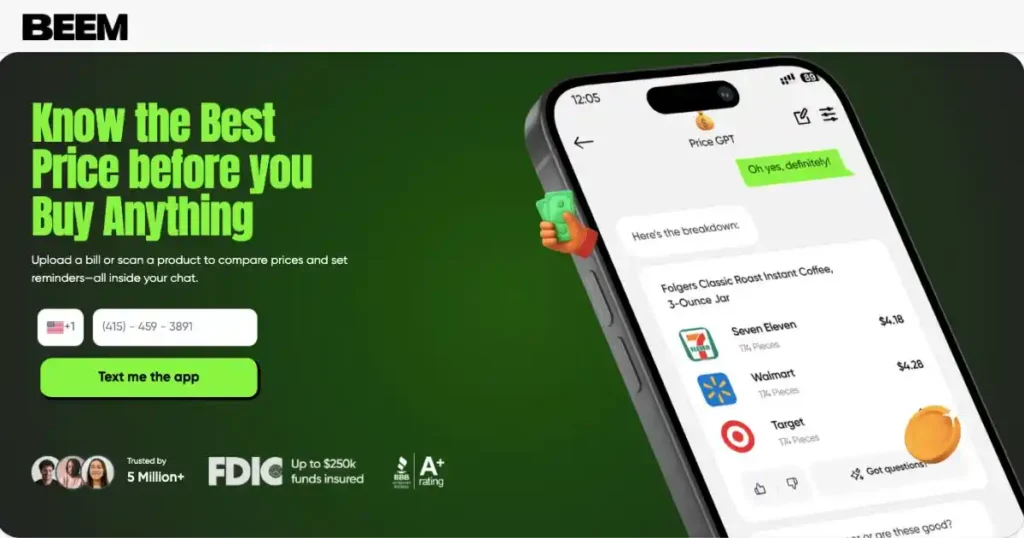
With PriceGPT from Beem, users can compare pricing trends and identify suspicious discounts that may signal counterfeit or unreliable products. Combined with BudgetGPT for smarter spending management, JobsGPT for improving financial flexibility, and DealsGPT for discovering safer savings opportunities, Beem helps users shop more confidently while avoiding costly purchasing mistakes.
Why Counterfeit Electronics Are So Common?
The need for high-priced technology products during online shopping is causing high demand for counterfeit electronics. Discounted and limited-time offers draw a lot of shoppers, which makes it more accessible to sell fake products rapidly.
The visibility of products on online marketplaces is challenging. Sellers of products can make their packaging, branding, and product pictures look very real. Some fake products look the same as real electronics, but you will find problems later.
Read: Import vs Domestic Purchase: Duties, Delays, and Hidden Costs
The Biggest Warning Sign: Unrealistic Pricing
A large reduction in the price of an electronic when making online purchases is a warning sign. If the fine headphones are 60-70% lower than ordinary, they may be fake or not working.
Sellers of counterfeit merchandise commonly offer them at a lower price to trap shoppers. If you find a price that is lower than the ones you know and agree with, do some studies earlier than buying.
Check the Seller Before the Product
Many shoppers pay attention only to product photos and prices. They often overlook seller details. However, checking the seller can help catch fake electronics before spending money online.
Before buying electronics, shoppers should look at key seller details, including:
- Seller ratings
- Account age
- Verified purchase reviews
- Return history complaints
Not all sellers are trustworthy on a reliable market. When thorough seller studies are done, it enables shoppers to avoid counterfeiting and shopping with a shady vendor online.
Read: How to Use Price Protection Policies (Credit Card & Retailer) to Save Money?
Watch for Suspicious Product Listings
Counterfeit listings often have warning signs. Shoppers should take a close look at the details. Here are common issues buyers should always consider.
- Poor spelling and grammar can hint that the product isn’t always straightforward.
- A real product will clearly list its warranty. If this info is missing, there may be no manufacturer support.
- A brief or unclear description might suggest an unreliable listing. Authentic electronics usually provide full details.
Small mistakes in listings can appear minor; however, they often lead to bigger issues with authenticity after the buy.
Compare the Product to the Brand’s Official Website
When buying electronics that look like the real thing, comparison is key. A short look at the manufacturer’s website can show small differences. You can find first-rate deals on refurbished and open-field items. However, constantly evaluate the vendor’s research, warranties, and go back coverage first.
Before shopping for electronics, consumers must test those product details:
Before purchasing electronics, shoppers should check these product details:
- Packaging
- Specifications
- Included accessories
- Model names and serial formats
Fake listings often mix specs from different models or include details that do not match the official brand information online.
Be Careful With Marketplace “Deals”
Marketplace offers can look tempting. When looking for electronics, do not ignore third-party sellers. They commonly provide better prices than the shops. But watch out; those dealers may sell counterfeit products.
“Refurbished” and “open-field” gadgets can nevertheless be profitable. Just make sure to test dealer profiles, warranties, and return policies earlier than you purchase.
You’ll often find fake tracking numbers, misleading listings, and phony opinions online. Doing your homework enables you to keep away from counterfeits and shady dealers before spending your cash.
Look Closely at Reviews
Product reviews often show issues that sellers might want to hide. Many shoppers only check ratings, but reading reviews closely helps spot fake or faulty electronics before buying online.
Watch for these warning signs in reviews:
- Repetitive language
- Generic praise
- Sudden spikes in reviews
- Mentions of fake or defective products
Real sellers often publish snapshots of products that display information such as broken packaging, lacking accessories, or poor quality.
Verify Warranty & Return Policies
When you purchase a right electronic, they will generally provide the right warranties and help properly. Missing guarantee information or confusing return policies may be warning signs while shopping online.
Before you buy electronics, check for:
- Manufacturer warranty
- Registered serial numbers
- Official support eligibility
No warranty or unclear return policies may mean fake products or sellers who avoid responsibility for issues.
Read: How to Evaluate Flash Sales vs Ongoing Discounts?
Payment Safety Matters Too
Safe payment methods will safeguard the buyer if the item is counterfeit, defective, or the item is not described as stated. Refunds and disputes are often challenging with risky payment methods.
Shoppers should avoid:
- Wire transfers
- Direct payments to strangers
- Off-platform transactions
Using protected payment methods offers better financial safety while shopping online. Beem PriceGPT also helps shoppers compare prices and spot suspicious deals before buying expensive electronics.
Read: How PriceGPT Compares Everyday Prices So You Stop Overpaying Without Thinking About It
Common Electronics Frequently Counterfeited
Some electronics are counterfeited more often. This is because they are costly, popular, and sell easily online. Counterfeit sellers typically make a point of picking off products that customers shop for quickly and buying at a discount.
Many fake products might seem real at first. Their quality and performance often disappoint over time. The commonly counterfeited electronics include:
- Earbuds and headphones
- Smartphones and accessories
- Gaming consoles and controllers.
- Smartwatches
To reduce the risk of buying fake electronics, consumers should check the seller’s details and reviews, along with the product’s price.
What Happens If You Buy a Counterfeit Product
Buying fake electronics may appear attractive at first. However, issues regularly arise after some use. Here are common problems consumers face:
- Poor performance or early failure: Fake products typically underperform in comparison to genuine ones. Battery existence, sound, pace, and durability can decline quickly.
- No Manufacturer Support: Most counterfeit items don’t have official warranties, repairs, software updates, or customer support from the brand.
- Serious Safety Risks: Fake batteries, chargers, and electrical devices can overheat, leak, or pose fire hazards. They often bypass essential safety tests and quality checks
Also read: Stop Paying the “Lazy Tax”: How DealsGPT & PriceGPT Automate Savings
Smart Shopping Habits to Reduce Risk
Small shopping behaviour will let you avoid counterfeit purchases. It’s vital to make careful selections, in particular for electronics. Here are some habits to consider:
- Compare Prices: Check costs from a couple of stores. This facilitates you in spotting unrealistic reductions and suspicious listings before you buy.
- Avoid Impulse Buying: Flash sales and constrained-time offers can trigger emotional spending. Taking time to pause can assist reduce impulsive purchases.
- Research Sellers: Look at dealer scores, evaluations, return records, and account age. This will help you locate reliable dealers for extra luxurious electronics.
- Choose Reliability Over Discounts: Cheap doesn’t always mean good. Trusting dealers, guaranteeing support, and product authenticity are more vital than large discounts.
How Beem Helps You Shop Smarter?
Electronic shopping may be expensive during the big sales. Enhanced visibility of spending will enable you to avoid overspending and create a well-balanced budget. Here is how Beem supports shopping:
- Tracks Spending Habits
Beem allows you to notice your spending styles. In this manner, you could cut down on purchases at some point during flash sales and holiday reductions.
- Better Budget Management
With Beem BudgetGPT, you can plan larger electronics purchases responsibly. This helps to avoid financial stress after big spending.
- Instant Financial Support
Beem gives you access to up to $1,000 through Everdraft™ for planned emergencies. There are no interest charges, due dates, or credit checks during tough times.
Check this out: How PriceGPT Integrates with DealsGPT for Maximum Savings?
Conclusion
Counterfeit electronics may appear cheaper upfront, but they often create much higher long-term costs through poor quality, safety risks, weak performance, missing warranties, and device failures.
The smartest shoppers understand that a low price alone is not proof of a good deal. Verifying seller credibility, checking warranty support, reviewing product certifications, and comparing realistic market pricing are essential steps before purchasing electronics online or through third-party sellers.
In many cases, counterfeit products succeed because shoppers focus only on savings while ignoring warning signs that appear before checkout.
Smart shopping means balancing price with:
- Product authenticity
- Safety standards
- Reliability
- Long-term usability
- Seller trustworthiness
because the true value of electronics depends on far more than the initial purchase price.
With PriceGPT from Beem, users can compare pricing more intelligently and identify suspicious deals before making purchases. Paired with BudgetGPT for spending visibility, JobsGPT for improving financial flexibility, and DealsGPT for uncovering smarter savings opportunities, Beem helps users shop more safely and confidently without falling into counterfeit product traps.
Download the Beem app today from the Apple App Store or the Google Play Store and start making smarter electronics purchases with greater confidence and protection.
FAQs
How can I tell if electronics are counterfeit?
You can look for signs such as unrealistic prices, fake reviews, bad packing, lack of warranty, low seller rating, and inconsistent product information can be found online.
Are marketplace electronics safe to buy?
Yes, marketplace electronics is actually safe. So simply make sure that you buy from reputable sellers who have a high rating, a clean warranty, solid return coverage, and have good reviews.
Why are fake electronics dangerous?
Buying fake electronics can be dangerous. They may overheat, be liable to break easily, may harm other devices, or battery or electrical hazard incidents can occur during use.
What products are most commonly counterfeited?
Commonly counterfeited objects encompass wireless earbuds, smartphones, chargers, gaming consoles, smartwatches, USB drives, and memory playing cards. These products are famous and regularly costly.
What should I do if I receive a fake product?
Contact the marketplace right away, ask for a refund, and save the image of the product to report the seller. Then, dispute the payment safely.