

Table of Contents
A lower price can feel like an easy win—especially when two products look almost identical at first glance. But in many cases, the cheaper option comes with an important tradeoff that shoppers overlook: weaker warranty protection.
Many manufacturers and retailers reduce prices by limiting post-purchase support. Shorter warranty periods, restricted repair coverage, slower customer service, limited replacement policies, or exclusions for certain types of damage can all quietly reduce the long-term value of a product.
That’s why the cheapest option is not always the most cost-effective one.
This becomes especially important with electronics, appliances, tools, and expensive devices where repairs or replacements can become costly. A product that saves money upfront may create higher expenses later if it fails early and lacks reliable warranty coverage.
The challenge is that warranty differences are often hidden in fine print while discounts receive the biggest marketing attention. As a result, shoppers may focus heavily on the initial savings without fully evaluating what protection they are giving up in return.
Smart shopping means looking beyond the price tag and understanding the balance between upfront savings and long-term reliability.
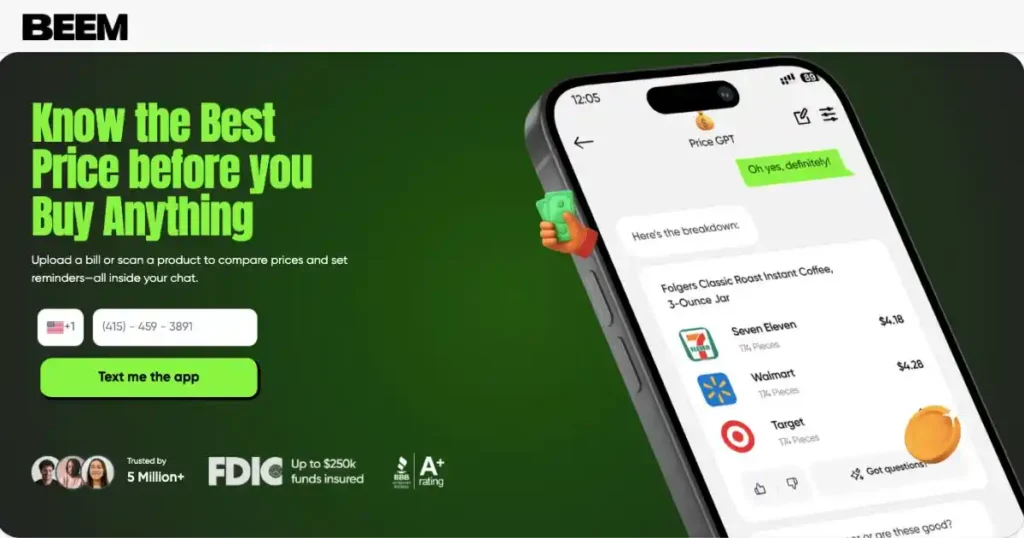
With PriceGPT from Beem, users can compare pricing and evaluate whether lower-cost products still provide strong long-term value. Combined with BudgetGPT for smarter spending decisions, JobsGPT for improving financial flexibility, and DealsGPT for uncovering better savings opportunities, Beem helps users shop more confidently while avoiding costly tradeoffs hidden behind low prices.
Why Cheap Products Often Have Weak Warranty Coverage?
Lower-priced products often reduce warranty protection to save costs. While budget products may appear like premium options, their long-term support usually differs greatly. Here’s why cheaper products often have weaker warranty coverage.
Lower Support Costs
Many sellers restrict customer support, repair coverage, and warranty support to keep costs competitive. This lowers the selling rate, however can lead to higher expenses for buyers.
Budget Components
Cheaper items may also use lower-quality substances, batteries, or inner elements to cut production costs. These additives can wear out more quickly or fail earlier than those in high-quality items, which are constructed for durability.
Price-Focused Competition
Some brands primarily compete on rate rather than on product quality, reliability, or customer service. While appealing pricing boosts earnings to begin with, the long-term ownership experience may be disappointing.
Buyer Carries More Risk
Cheaper products often place repair and replacement responsibilities on the customer once the short warranty period ends. Even minor repairs may be more high-priced than anticipated over the years.
A lower rate may additionally seem like a good buy in the beginning, but a more susceptible warranty coverage can result in better possession.
Read: How to Spot Counterfeit Electronics Before You Pay?
What Does a Warranty Actually Protects?
A warranty protects consumers when products forestall operating because of manufacturing or hardware troubles after buy. However, many shoppers anticipate that each warranty covers everything, which isn’t always true.
Depending on the brand and product, an assurance may additionally cover several critical repair or alternative charges, including:
- Hardware failures
- Replacement parts
- Labor costs sometimes
Not all warranties offer an equal level of safety, so studying the warranty details carefully before shopping is extremely vital.
Read: How PriceGPT Compares Everyday Prices So You Stop Overpaying Without Thinking About It
Common Warranty Differences Shoppers Miss
Many shoppers take a look at warranty years but overlook the fine print. Small variations can extensively affect repair charges and long-term product value. Here are key warranty differences to don’t forget earlier than buying.
Warranty Length
Budget products regularly include only 90 days or twelve months of coverage. However, high-quality goods can last as long as five years. Extended warranties typically are an indicator of greater producer confidence in durability and reliability.
Limited vs Full Warranty
Limited warranties frequently exclude commonplace issues and cover unique parts. Customers might also still face shipping costs, carrier fees, or repair expenses, despite active warranties.
Repair vs Replacement Policies
Some brands take weeks to repair faulty parts, while others speedily replace them. Faster aid and replacement policies lead to a smoother ownership experience.
Warranty differences can also seem minor at the beginning, but they can substantially have an effect on long-term ownership prices.
Also read: Stop Paying the “Lazy Tax”: How DealsGPT & PriceGPT Automate Savings
When the Cheapest Option Becomes More Expensive
A cheaper product may not stay cheap over time. Here’s why long-term ownership costs matter more than the initial price.
- Early Product Failure: Budget electronics can fail soon after the warranty ends. This forces buyers to pay for replacements or maintenance.
- Cost of Replacement: It is easy to buy cheap products, but replacement will cost more.
- Purchase Premium Products: High-quality items have a tendency to be extra long-lasting. They provide higher assistance and come with longer warranties.
- Ownership Cost Matters More: The total ownership value includes maintenance, replacements, quality, and product life, not just the checkout rate.
While a lower initial cost may be more cost-effective in the short term, reliability can be a more cost-effective factor in the long run.
Check this out: How PriceGPT Integrates with DealsGPT for Maximum Savings?
Categories Where Warranty Matters Most
Some products experience heavier daily use, which makes warranty protection much more important over time. Here are the categories where stronger warranties usually matter most.
- Electronics
- Appliances
- Power Tools
- Fitness Equipment
Products often benefit more from a more potent warranty protection and reliable customer service after purchase.
When a Lower Warranty May Still Be Fine?
Not every product needs a long warranty. Here’s why a shorter warranty can make sense for shoppers.
- Low-Cost Accessories: Cheap items like cellphone cases or cables often don’t need more warranty protection.
- Low Failure Risk Products: Products that have simple functions and have fewer parts are generally at a low risk of breaking.
- Temporary Use Items: These are items that are purchased for a short-term project or trip that may not require the expensive long-term warranties.
- Low Replacement Cost: When replacement costs are low, the customers may be willing to accept shorter warranties at a lower cost.
When there is less financial risk in the product or when used for a short time, shorter warranties are appropriate.
Watch for Warranty Marketing Tricks
Warranty marketing often looks reassuring during shopping, but some offers provide far less value than shoppers expect. Here’s what buyers should watch carefully.
- Extended Warranty Upsells: Retailers often push extended warranties that add little value to the original manufacturer’s warranty.
- Complicated Claim Processes: Some brands have tricky claim processes. They require multiple customer support calls and bureaucracy, delaying maintenance.
- Hidden Exclusions: The fine print typically excludes unintentional damage, batteries, accessories, and commonplace maintenance that shoppers count on.
Reading guarantee info carefully facilitates customers avoiding misleading guarantees and unexpected repair expenses later.
Read: Why Comparing Prices Manually Doesn’t Work Anymore?
How to Evaluate True Product Value?
A lower product charge does not always suggest a better price over the years. Smart buyers compare several important factors before buying instead of focusing most effectively on reductions and promotional offers.
Before making a purchase, shoppers must examine important details such as:
- Product price
- Warranty length
- Brand reliability
- Repair costs
- Customer support reputation
The best value balances affordability and strong reliability. It also includes a helpful guide and lower long-term ownership costs.
Should You Buy Extended Warranties?
Extended warranties offer coverage, especially for costly items that are expensive to fix or replace. But they don’t have to be used for anything that you buy.
Consider extended warranties for high-priced electronics, appliances with high repair fees, and objects possibly to go through unintended damage. They are not as applicable to inexpensive products and reliable items with a low failure rate.
When comparing products, reliability and risk of repair provide consumers with useful information about whether or not they should buy extended warranty coverage.
Read: How to Track Monthly Bills Automatically?
Smart Shopping Strategy
Smart purchasing approach looking beyond discounts to locate long-term value. A low charge may appear appealing, however, future repair prices can exchange its actual worth.
Before shopping for, buyers must ask key questions:
- How much will the replacement price be?
- Is this product used every day?
- Does the warranty indicate quality?
- Am I just looking at the cost?
Product reliability, warranty information, and the life cycle costs help the shopper to make an informed and confident decision.
How Beem Helps You Plan Large Purchases?
Large purchases can be tough. You might deal with repair, replacement, or surprise costs later. Planning makes purchasing easier and boosts your self-belief.
Beem facilitates you in managing budgets for electronics, home equipment, and household products. This new visibility helps to lower impulse purchasing in online sales, discounts, and limited-time sales.
Beem also offers up to $1,000 through Everdraft™ for planned emergencies. No interest charges or credit checks. Long-term spending visibility will provide the clarity shoppers need to manage their finances and make large purchases.
This may interest you: Why Bills Are the Biggest Reason Budgets Fail?
Conclusion
A lower purchase price does not always mean a better deal—especially when warranty protection is reduced in the process.
Shorter coverage periods, limited repairs, difficult claim processes, and restricted support can significantly increase the true long-term cost of a product. In some situations, paying slightly more upfront for stronger warranty protection may actually save money by reducing future repair or replacement expenses.
The smartest shoppers compare more than just price. They evaluate:
- Warranty length
- Repair coverage
- Brand reliability
- Customer support quality
- Replacement policies
- Long-term ownership costs
before deciding whether the cheaper option truly creates better value.
The goal is not avoiding lower-priced products completely.
It’s understanding when lower pricing reflects genuine efficiency—and when it reflects reduced protection that could become expensive later.
With PriceGPT from Beem, users can compare products more intelligently and evaluate whether pricing differences justify the warranty tradeoffs involved. Paired with BudgetGPT for spending visibility, JobsGPT for improving financial flexibility, and DealsGPT for discovering smarter savings opportunities, Beem helps users make more informed purchasing decisions with stronger long-term value in mind.
Download the Beem app today from the Apple App Store or the Google Play Store and start shopping smarter with better protection, better planning, and better long-term savings.
FAQs
Why do cheaper products usually have shorter warranties?
Cheaper products usually include shorter warranties. Manufacturers restrict help and repair options to keep expenses low.
Is a longer warranty a sign of better quality?
Yes, an extended assurance method is frequently better. Customers have a tendency to be extra satisfied with these products. Manufacturers sense greater confidence about their durability.
Are extended warranties worth buying?
Yes, extended warranties can be worthwhile for pricey electronics and appliances. They’re regularly much less useful for less expensive objects, for which maintenance costs less.
What products need strong warranty coverage the most?
Electronics, home equipment, laptops, smartphones, health equipment, and furnishings with shifting parts need solid warranty coverage. Repairs for these may be highly priced.
How do I compare true product value beyond price?
When buying, consider that appearance goes beyond the price. Think about guarantee insurance, reliability, restoration costs, customer support, and long-term possession fees for a clearer evaluation.