

Table of Contents
One of the biggest challenges in personal finance is knowing how much you are likely to spend before the month is over. Most people have a rough idea of their recurring bills and major expenses, but everyday purchases, subscriptions, seasonal spending, and unexpected costs can make monthly budgets difficult to predict.
As a result, many consumers find themselves reacting to spending after it happens rather than planning for it in advance.
This is where AI-powered purchase intelligence is transforming financial management.
By analyzing historical transactions, spending habits, recurring payments, seasonal patterns, and purchasing behavior, AI can forecast future spending with surprising accuracy. Instead of simply tracking expenses from the past, purchase intelligence helps consumers understand what their financial future may look like based on current trends and habits.
For example, AI can identify recurring expenses, recognize spending spikes during certain times of the month, detect growing subscription costs, and estimate how current spending behavior may affect end-of-month cash flow. These insights help users prepare for upcoming expenses before they arrive.
The goal is not to predict every purchase perfectly. It is to provide a clearer view of future spending so consumers can budget more effectively, avoid surprises, and make more informed financial decisions.
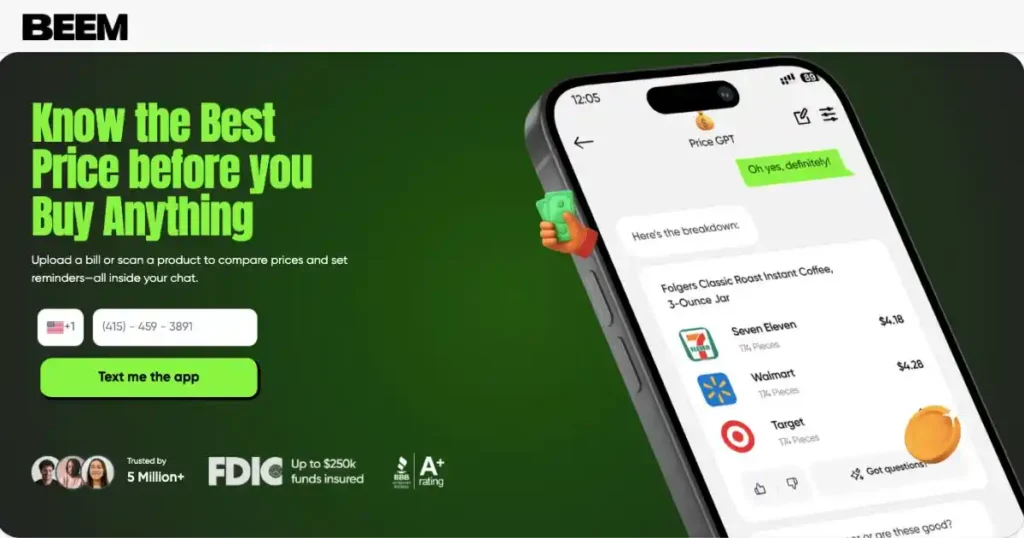
With PriceGPT from Beem, users can gain deeper insights into spending patterns and purchasing behavior. Combined with BudgetGPT for personalized budgeting guidance, JobsGPT for improving income opportunities, and DealsGPT for uncovering personalized savings opportunities, Beem helps users turn everyday financial data into smarter planning and stronger financial control.
Understanding Purchase Intelligence
Purchase Intelligence is a financial technology system designed to understand, predict, and guide consumer spending decisions. It learns how you behave, tracks upcoming obligations, analyzes market changes, and uses AI to forecast future financial outcomes.
Instead of asking you to manually input every detail of your life, Purchase Intelligence gathers this information automatically from your transaction history, account behavior, subscription patterns, spending cycles, and real-time market data. The result is a proactive system that helps you stay ahead of your finances instead of constantly catching up.
Purchase Intelligence is built around prediction. Its goal is to give you a clear picture of the upcoming weeks and months so you always know what is financially safe, what needs attention, and what choices could impact your stability.
Read: How Purchase Intelligence Predicts When Prices Will Drop
Why Forecasting Monthly Spend Matters?
Monthly budgets often fail for one simple reason: they rely on estimates that don’t reflect real behavior. People forget irregular expenses, underestimate variable spending, and rarely account for surprise charges. AI-powered forecasting solves all of that by providing:
- Awareness of upcoming expenses
- A realistic view of your spending pattern
- Early warnings about possible cash shortages
- Insight into how certain decisions shape the rest of your month
- Protection against overspending
- Planning tools for short-term and long-term goals
Forecasting transforms budgeting from a reactive process into an anticipatory one. When you know what is coming, you can prepare instead of panic.
Read: How Purchase Intelligence Saves You Money on Travel and Experiences?
How Purchase Intelligence Uses AI to Forecast Your Monthly Spend?
Purchase Intelligence relies on several layers of AI technology working together to create an accurate, dynamic picture of your spending over the next month. Below is a breakdown of how each piece plays a role.
1. Learning Your Financial Rhythm Through Behavioral Analysis
AI starts by learning your natural spending rhythm. Everyone has unique patterns:
- Weekly grocery runs
- Monthly rent or mortgage
- Bi-weekly rideshare or fuel costs
- Recurring subscriptions
- Seasonal spending bursts
- Holiday or travel habits
The system studies weeks, months, and seasonal cycles to understand how your behavior changes over time. Once the rhythm becomes clear, the AI builds patterns that predict future actions based on past behavior.
Example: If you tend to spend more on weekends, the AI accounts for that when forecasting. If you splurge the week after payday but tighten spending in the days leading up to it, the AI includes those shifts in your projections.
This behavioral foundation allows the forecast to match your lifestyle, not a generic budgeting template.
2. Tracking Bills and Recurring Payments Automatically
Recurring payments are one of the biggest reasons people fall off their budget. It’s easy to forget how many services renew each month, how much they cost, or when they hit your account.
Purchase Intelligence tracks:
- Subscription renewals
- Utility bills
- Loan payments
- Streaming services
- Mobile plans
- Car insurance
- Annual fees
- Gym memberships
- Digital services
AI maps these payments across your calendar to predict exactly when they will be deducted. It also adjusts predictions based on past variability, such as:
- Fluctuating power bills
- Seasonal gas costs
- Insurance rate changes
- Subscription price increases
This ensures your spending forecast reflects real total monthly obligations.
3. Analyzing Historical Expenses to Predict Future Spending
AI examines your historical spending trends to build a predictive model. It considers:
- Average monthly spending
- Category-specific patterns
- Seasonal increases
- Lifestyle changes
- Habit-based fluctuations
- Price inflation for certain goods
For example, if your grocery spending rises during summer or your transportation costs increase during winter, AI incorporates those changes automatically.
Historical analysis ensures forecasts are grounded in reality, not guesswork.
4. Using Predictive Cash Flow Modeling to Project Future Balances
Cash flow is one of the most important—and often misunderstood—financial metrics. Many people know what they earn but not how their expenses move throughout the month.
Purchase Intelligence uses predictive cash flow modeling to answer questions like:
- What will my balance look like next Thursday?
- Will I have enough money to cover all bills this month?
- Will a purchase today cause a shortfall later?
- What’s my likely ending balance at month-end?
AI evaluates all known income, expected bills, and predicted spending behavior to map your balance for the next 30 days. This creates a visual roadmap of your financial health.
If the model detects a future shortage, it alerts you early so you can shift spending or adjust plans.
5. Real-Time Price Tracking to Predict Higher Spending Periods
Prices change constantly. Groceries fluctuate weekly. Travel costs swing hourly. Subscriptions adjust annually. Without visibility, these changes can lead to overspending.
AI-powered Purchase Intelligence tracks price movement across categories and predicts:
- When certain items will cost more
- How inflation may influence your monthly expenses
- When recurring bills are likely to increase
- Periods with higher spending pressure
For example:
- If milk, meat, or produce prices rise, AI adjusts your grocery budget projection.
- If fuel costs spike, transportation forecasts increase.
- If travel demand jumps, airfare predictions change.
These adjustments make your forecast more accurate and better aligned with real economic conditions.
6. Forecasting Irregular and Occasional Expenses
Not all expenses occur monthly. Some appear every few months or only during certain times of the year.
Examples include:
- Car maintenance
- Medical bills
- School supplies
- Holiday gift spending
- Home repairs
- Travel
- Tax season expenses
AI recognizes these periodic patterns and includes them in forecasts. If the system detects you usually spend on travel in summer or holiday purchases in December, it adjusts predictions accordingly.
By expecting these irregular costs, you avoid surprises.
7. Detecting Subscription Creep and Involuntary Spending Increases
Subscription creep refers to the gradual buildup of recurring charges that slip through unnoticed. AI helps detect:
- Overlapping services
- Quiet price increases
- Trials that converted into paid plans
- Subscriptions you forgot to cancel
Instead of discovering these late on your bank statement, Purchase Intelligence forecasts them ahead of time. This helps you cut waste and reduce monthly bloat before it hits your account.
This may interest you: How AI Can Help You Decide Between Saving, Paying Debt, or Spending Today
8. Evaluating Market Trends to Predict Spending Pressure
External factors influence monthly spending more than most people realize. AI monitors market and economic trends like:
- Fuel prices
- Grocery inflation
- Housing and utility changes
- Consumer demand patterns
- Seasonal cycles
- Retail promotions
- Manufacturer pricing
If a trend suggests increased prices in a certain category, your forecast reflects it.
Example: If the AI detects that grocery prices will rise three to five percent over the next four weeks, it adjusts your expected spending accordingly.
This allows consumers to prepare for higher costs instead of being surprised by them.
9. Anticipating Emotional or Impulse-Driven Spending Behavior
Emotional spending is common. Many people shop out of stress, boredom, or reward-seeking behavior. AI uncovers emotional triggers by studying:
- Timing of impulse purchases
- Pay cycle-related spending spikes
- Late-night shopping tendencies
- Recurring treat-yourself behaviors
- Seasonal mood patterns
Once these patterns are detected, they are factored into the monthly projection. The AI may also offer real-time reminders or guidance when it senses a potential spike in impulse-driven spending.
This gentle accountability helps users stay aligned with their goals.
10. Using Goal-Based Forecasting to Keep You on Track
If you are saving for something, trying to build credit, or working toward a specific target, AI adjusts monthly forecasts based on those goals.
For example:
- If your goal is to grow savings, the AI might shift forecasts to show reduced discretionary spending.
- If you want to avoid borrowing this month, the AI may flag risky purchases before you make them.
- If you are working to improve credit, it highlights payments crucial to maintaining a positive score.
Goals become the lens through which the monthly forecast is shaped.
11. Real-Time Alerts When Your Forecast Changes
A forecast is not static. As your behavior changes, the system updates instantly.
You may receive alerts such as:
- Your predicted end-of-month balance has dropped
- A new subscription is impacting next month’s forecast
- If you make this purchase today, your budget will tighten next week
- You are projected to overspend in a specific category
- An upcoming bill is higher than usual
- A spending trend is emerging that could affect your goals
This kind of immediate feedback helps users correct courses quickly.
Read: How Purchase Intelligence Improves Cash Flow Management?
Why AI Forecasting Matters for Consumers?
Most people try to stay on top of their finances with budgeting apps, spreadsheets, or manual tracking. While these tools can show what you spent in the past, they rarely help you understand what’s coming next.
That’s where AI forecasting makes a transformational difference. It gives everyday consumers the kind of forward-looking insight that used to be available only to banks and large businesses.
AI-powered monthly forecasting helps people see their financial future before it happens. It analyzes spending patterns, bill schedules, income timing, and price trends to predict where your money is headed. This forward view solves the real problems that traditional budgeting tools simply aren’t built to handle.
It Closes the Gap Between Perception and Reality
Most people believe they have a “rough idea” of their spending, but that mental estimate is almost always inaccurate. Small transactions add up, dynamic pricing shifts, and forgotten subscriptions quietly drain money.
AI forecasting corrects this by giving you a clear, data-backed picture of your habits. Instead of guessing what you might spend next month, it calculates an accurate projection based on actual behavior. This removes the blind spots that cause overspending and replaces them with clarity you can trust.
It Helps You Avoid Surprises
Unexpected costs are one of the biggest sources of financial stress. Whether it’s a higher utility bill, a renewal charge, or a price increase on a service you use, surprises can derail even the most organized person.
AI forecasting anticipates these shifts before they hit your account. It picks up on recurring patterns, seasonal increases, and bill timing changes so you’re not caught off guard. Knowing what’s coming gives you time to adjust instead of scrambling at the last minute.
It Prevents Overspending
Overspending often happens because people focus on their current balance rather than their future obligations. If your account shows $800 today, it’s easy to feel like you have room to spend even if $650 of that is already committed to bills.
AI forecasting bridges this gap by showing you your predicted balance days or weeks ahead. When you can see how a purchase will impact your future cash flow, better choices happen naturally.
It becomes easier to delay a non-essential purchase or look for a more affordable option because you understand exactly how it affects your upcoming expenses.
It Gives You Control
Money stress usually comes from uncertainty. When you don’t know what to expect, every purchase feels like a risk. AI forecasting removes that uncertainty by mapping out your financial path in advance.
Seeing a clear, upcoming balance projection:
- reduces anxiety
- increases confidence
- supports smoother decision-making
- replaces fear with understanding
Instead of reacting to problems as they arise, you spend with intention because you know where your money will be tomorrow, next week, and next month.
It Supports Long-Term Stability
Financial stability isn’t built in big jumps, it’s built through consistent, predictable habits. AI forecasting helps create those habits by keeping your financial journey aligned with your goals.
With long-term projections, you can:
- plan savings more effectively
- set aside money for emergencies
- avoid risky spending during tight months
- stay on track with credit-building or debt-payoff plans
The more visibility you have, the easier it becomes to stay steady and avoid setbacks. Forecasting turns your financial progress from a guessing game into a guided path.
Read: How AI Helps You Simulate “What If” Scenarios Before Making Big Money Decisions
Final Thoughts
Forecasting monthly spending has traditionally relied on estimates, assumptions, and manual budgeting. AI-powered purchase intelligence makes this process far more accurate by using real spending data to identify patterns and project future expenses.
Rather than waiting until the end of the month to evaluate financial performance, consumers can gain visibility into where spending is heading while there is still time to make adjustments. This proactive approach helps reduce financial stress and improves confidence in day-to-day money management.
By helping users:
- Predict recurring expenses
- Anticipate spending trends
- Monitor subscription growth
- Identify budget risks early
- Improve cash flow planning
- Align spending with financial goals
purchase intelligence transforms budgeting from a reactive exercise into a forward-looking strategy.
The greatest benefit is awareness. When consumers understand what they are likely to spend before the month ends, they can make smarter choices, avoid unnecessary expenses, and stay on track toward their financial objectives.
With PriceGPT from Beem, users can gain predictive insights that help them plan purchases more effectively and improve financial decision-making. Paired with BudgetGPT for budgeting support, JobsGPT for increasing financial flexibility, and DealsGPT for personalized savings recommendations, Beem empowers users to manage their money proactively instead of reactively.
Download the Beem app today from the Apple App Store or the Google Play Store and discover how AI-powered purchase intelligence can help you forecast spending, stay ahead of your budget, and make more confident financial decisions every month.