
Table of Contents
Babies grow fast, and so do the bills that come with them. Diapers, formula, and baby food are the three costs that show up every single month, and together they can easily run several hundred dollars. For many families, these essentials are the line items that make the monthly budget feel tight.
The pressure is real. In 2026, advocates estimate that about 40% of US households with children under age 4 struggle to afford enough diapers. The good news is that a few smart habits can cut these costs significantly without cutting corners on your baby’s health or comfort.
This guide breaks down what diapers, formula, and baby food typically cost each month, then walks through practical ways to save on each one, plus free programs and local resources that can help when money is tight.
What Diapers, Formula, and Baby Food Cost Each Month
Knowing your baseline makes it easier to spot savings. Costs vary by brand, where you shop, and your baby’s age, but these ranges give a realistic picture.
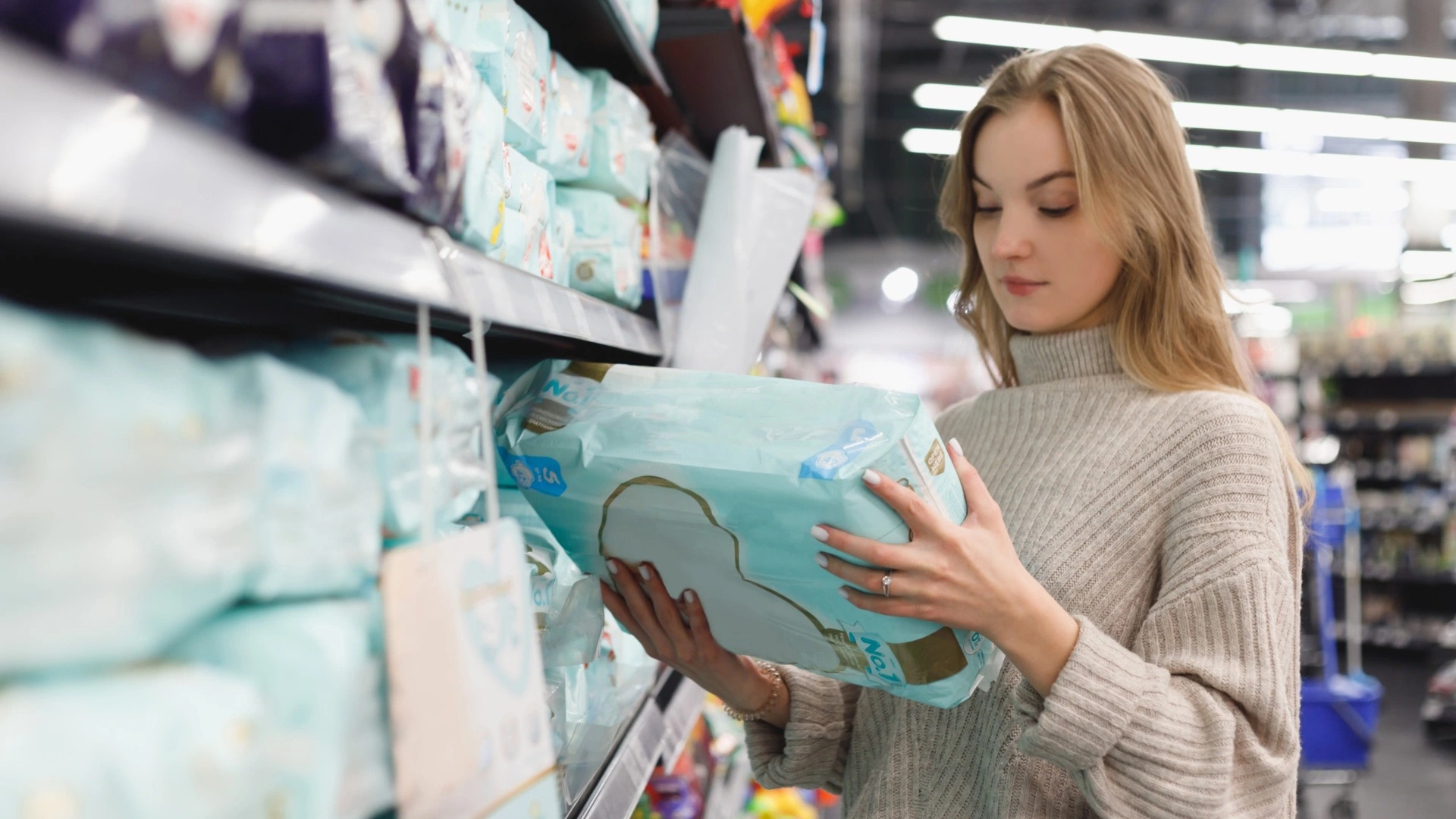
Most babies go through 2,500 to 3,000 diapers in their first year. At around 30 cents per diaper, that adds up to roughly $1,000 a year, or about $80 to $90 a month, before wipes and rash cream. Newborns use the most, often 8 to 12 diapers a day.
Formula is usually the biggest expense for families who use it. A lower-cost formula plan typically runs about $95 to $125 a month, while premium name brands can cost much more. Specialty and hypoallergenic formulas can reach $350 or more per month.
Baby food starts later, usually around 6 months. A month of basic jars costs about $36, while premium refrigerated pouches can push the same amount of food close to $120.
| Item | Typical Monthly Cost | Biggest Savings Lever |
|---|---|---|
| Diapers | $80 to $90 | Bulk buying and store brands |
| Wipes and rash cream | $15 to $30 | Store brands and subscriptions |
| Formula (standard) | $95 to $125 or more | Store-brand formula and powder |
| Formula (specialty) | $350 and up | WIC, insurance, manufacturer programs |
| Baby food (6 months and up) | $36 to $120 | Jars over pouches, homemade |
Costs are typical 2026 estimates and vary by brand, region, and baby’s age.
How to Save on Diapers
Diapers are a constant purchase, which means even small savings per diaper add up to real money over a year.
Compare Price Per Diaper, Not Box Price
Box sizes and counts vary widely, so the shelf price can mislead you. Always divide the price by the number of diapers. A larger box that costs more upfront often brings the per-diaper price down by several cents, which adds up to dozens of dollars a year.
Try Store Brands
Store-brand diapers, such as Walmart’s Parent’s Choice, Target’s up&up, and Costco’s Kirkland Signature, often cost noticeably less than name brands. Many parents find them just as reliable for daytime use. A smart approach is to use store brands during the day and save a premium brand for overnight if you need extra absorbency.
Use Subscriptions and Bulk Buying
Online retailers offer subscription discounts on diapers that you have delivered on a regular schedule. Amazon, Walmart, and Target all offer some form of auto-delivery savings, and Amazon typically adds a larger discount when you bundle several subscriptions into one delivery. Warehouse clubs like Costco and Sam’s Club also offer some of the lowest per-diaper prices, especially for bigger sizes.
Do Not Overbuy Small Sizes
Babies outgrow newborn and size 1 diapers quickly. Buy only a few weeks of the smallest sizes at a time, and stock up more heavily on sizes 3 through 5, which babies wear for many months.
Stack Coupons and Cash Back
Diaper brands release digital coupons regularly through store apps, and retailers often run gift card promotions when you buy two or more boxes. Cash back apps can add a few extra dollars on top. Combining a sale, a store coupon, and a cash back offer is one of the most effective ways to cut diaper costs.
Read: How Cashback Portals Really Track Purchases
How to Save on Formula
Formula is often the largest monthly baby expense, but it is also where the biggest savings are possible.
Switch to Store-Brand Formula
This is the single most effective way to save. All infant formula sold in the US is regulated by the FDA and must meet the same nutritional standards, whether it is a store brand or a name brand. Store-brand formulas can cost up to 50% less per ounce. For example, Target’s up&up formula has been priced around 97 cents per ounce, while some premium name-brand options cost more than $2 per ounce. Always talk to your pediatrician before switching formulas.
Choose Powder Over Ready-to-Feed
Ready-to-feed formula is convenient but far more expensive. A tub of powdered formula can make many more bottles than a ready-to-feed pack at a similar price. Save ready-to-feed for travel or emergencies and use powder at home.
Join Manufacturer Rewards Programs
Major formula brands run free programs that send coupons, samples, and rewards. Enfamil Family Beginnings advertises up to $400 in benefits, including formula checks and free samples. Similac and Gerber run similar programs. Signing up during pregnancy usually brings the most offers.
Buy in Bulk and Subscribe
Warehouse clubs often sell large formula containers at a lower price per ounce. Online subscriptions from retailers and some formula brands typically offer 5% to 15% off regular deliveries, which also prevents last-minute trips at full price.
Never Water Down or Make Homemade Formula
Stretching formula by adding extra water or making homemade formula can be dangerous for babies. If you are struggling to afford formula, talk to your pediatrician, contact WIC, or reach out to a local food bank for help.
How to Save on Baby Food
Baby food is the easiest of the three to control, because you have more choices about what to buy and how much to make yourself.
Choose Jars Over Premium Pouches
Pouches are convenient, but they cost far more per ounce than basic jars. Feeding a baby with basic jars costs about $36 a month, while premium refrigerated pouches for the same amount of food can cost around $120. Saving pouches for outings and using jars or homemade food at home can cut this cost by more than half.
Make Your Own Purees
Homemade baby food can cost much less, especially when you use produce your family already buys. Steamed and blended sweet potatoes, carrots, bananas, apples, and peas are simple to prepare. Freeze small portions in ice cube trays and thaw as needed. Homemade purees keep for one to two days in the fridge and about one to two months in the freezer.
Buy Frozen and Seasonal Produce
Frozen fruits and vegetables are often cheaper than fresh and work perfectly for purees. Seasonal produce is another good choice, since it tends to cost less when it is abundant.
Move to Table Foods When Your Pediatrician Says It Is Time
As your baby gets older, soft, age-appropriate versions of family meals can replace much of the jarred food. This shift alone can remove baby food from your grocery budget for many families.
Read: Community and Employer Discounts Most People Never Use
Free Programs and Local Help for Baby Essentials
When money is tight, several public and nonprofit programs can fill the gap. Many families qualify for more help than they realize.
- WIC: The Special Supplemental Nutrition Program for Women, Infants, and Children provides free formula and baby food to eligible families based on income. Specialty formulas may require a prescription.
- SNAP: SNAP benefits can be used to buy infant formula and baby food, but not diapers or wipes.
- Diaper banks: The National Diaper Bank Network includes more than 240 community diaper banks, with at least one in every state, Washington, DC, and Puerto Rico. Some have income requirements, and others do not.
- TANF and Medicaid: Some states offer diaper allowances through TANF. Medicaid may cover diapers for children with certain medical needs.
- Food banks and pediatricians: Local food banks, community health centers, and pediatric offices sometimes have free formula samples or diapers on hand.
Using these programs is not a last resort. They exist to help families get through the most expensive stage of early childhood.
How Location Affects Baby Costs Across the US
Where you live changes both what you pay and what help you can get. Prices for diapers and formula tend to be higher in high-cost areas such as California, New York, and much of the Northeast, so online subscriptions and warehouse clubs can offer bigger savings there.
A growing number of states have removed sales tax from diapers, which saves families a few percent on every box. Check your state’s rules, since this varies widely. WIC is federally funded but run by each state, so approved brands, benefit amounts, and application steps differ depending on where you live.
Diaper bank availability also varies. Large metro areas usually have several options, while rural families may need to rely on county programs, churches, or community groups. Some areas, such as Texas, have regional diaper banks that serve families across many counties.
Build a Monthly Baby Budget That Works
A simple monthly plan keeps these costs predictable. Start by tracking one month of spending on diapers, wipes, formula, and food to find your real baseline. Then set a target for each category and choose one or two savings moves from this guide for each.
Timing your purchases also helps. Stock up on diapers and formula when your favorite store runs a sale or gift card promotion, and keep about two weeks of supplies on hand so you are never forced to buy at full price. Plan ahead for size changes and growth spurts, which often increase diaper and formula use for a few weeks.
Finally, ask family and friends for practical gifts. Diapers in larger sizes, formula gift cards, or a subscription can be far more useful than extra clothes your baby will quickly outgrow.
What Is Beem and Where It Fits Into Your Baby Budget
Beem is a smart wallet app that helps Americans spend, save, and manage money with more confidence. Alongside everyday money tools, it offers AI assistants built around real spending decisions, including finding deals on the things families buy every month.
How DealsGPT Helps You Find Baby Essential Deals
DealsGPT is an AI deal finder inside the app that suggests discounts based on your spending habits. If you buy diapers and formula regularly, the deals it surfaces reflect what you actually spend on. You can filter by category, set a minimum discount, search for a specific retailer, or turn on location-based deals near you. You can also ask in plain language, for example, “Find diaper and formula deals that save me $40 this month.” Saved deals come with expiration reminders, so you can time your stock-up trips around the best offers.
Other Tools That Support Your Family Budget
BudgetGPT helps you set a realistic monthly baby budget and track spending by category. PriceGPT makes it easier to compare prices before you buy. And when formula or diapers run low just before payday, Everdraft™ gives eligible users access to up to $1,000 with no interest and no credit checks, so your baby never goes without while you wait for your paycheck.
Smarter Baby Spending Starts This Month
Diapers, formula, and baby food will always be part of the budget in your baby’s first years, but they do not have to strain it. Store brands, price-per-unit comparisons, subscriptions, manufacturer programs, and homemade purees can each save meaningful money on their own. Used together, they can cut your monthly baby costs by a third or more.
Start with one change this month, such as trying a store-brand diaper or switching to powdered formula, and track the difference. Then add another. If you need extra help, WIC, SNAP, and local diaper banks are there to support you.
Ready to find more savings on baby essentials? Download Beem on the Apple App Store or Google Play Store and let DealsGPT point you to the diaper, formula, and baby food deals that fit your family.
FAQs
How much do diapers cost per month?
Most families spend about $80 to $90 a month on diapers, based on 2,500 to 3,000 diapers in the first year at around 30 cents each. Store brands, bulk buying, and subscriptions can bring that cost down.
Is store-brand baby formula safe?
Yes. All infant formula sold in the US is regulated by the FDA and must meet the same nutritional standards. Store brands can cost up to 50% less per ounce. Talk to your pediatrician before switching formulas.
Can I use SNAP or WIC to buy diapers?
No. SNAP and WIC cannot be used for diapers or wipes. SNAP covers formula and baby food, and WIC provides free formula and baby food to eligible families. Diaper banks can help with diapers.
Is homemade baby food cheaper?
Usually, yes. Homemade purees made from regular or frozen produce typically cost less than jars and much less than pouches. Store purees in the fridge for one to two days or freeze them for up to two months.
How can I get free diapers?
Contact a local diaper bank through the National Diaper Bank Network, which has members in every state. Some states also offer diaper help through TANF or Medicaid, and community groups sometimes host diaper drives.