
Table of Contents
Have you ever bought something mainly because the deal felt too good to miss?
That feeling is often driven by deal anxiety and FOMO shopping—the fear that waiting too long could mean missing a discount, limited offer, or exclusive opportunity. Online stores and shopping apps use countdown timers, flash sales, “only a few left” alerts, and limited-time promotions specifically to create urgency and push shoppers toward faster decisions.
The challenge is that emotional pressure can make people spend money on things they never originally planned to buy. In many cases, the excitement of “saving” starts to feel more important than whether the purchase is actually necessary.
Understanding the psychology behind FOMO shopping helps consumers recognize when urgency is real and when it is simply a marketing tactic designed to trigger impulse spending.
With PriceGPT from Beem, users can compare prices more objectively and avoid emotionally driven shopping decisions. Combined with BudgetGPT for spending awareness, JobsGPT for improving financial flexibility, and DealsGPT for smarter savings opportunities, Beem helps users shop with more confidence and less pressure.
What Is Deal Anxiety?
Deal anxiety occurs when customers feel pressured to purchase, as the deal may be lost. Let’s look at some of the reasons why this is so common.
Panic Buying vs. Smart Savings
Smart shopping is about getting real value and planning purchases. There’s anxiety when shopping, since it is a fast-paced process in which people don’t have enough time to think about what they’re purchasing.
Urgency Creates Pressure
Websites use things like countdown timers and low-stock notifications to make people feel like they have to buy. These approaches push buyers toward quicker, greater emotional selections.
Fear of Missing Out
When it comes to shopping, FOMO makes people believe that they’re losing money or opportunity if they don’t buy it. This mental stress can also cause one to spend more during online sales.
Emotional Shopping Decisions
Urgency trumps logic, and shopping becomes emotional. Because of the sense of urgency that the discount creates, many end up purchasing products that they didn’t intend to purchase.
Understanding deal anxiety helps consumers realize when they are making a deal based on emotion. Small breaks between checkout times can result in smarter and less stressful decisions.
Recognizing deal anxiety helps shoppers realize when they are making an emotional buying decision. Taking small breaks prior to checkout can help make better, less stressful decisions.
Read: How to Find Jobs That Match Your Skills?
The Psychology Behind FOMO Buying
Online shopping sites often make use of emotional triggers to assist them make quicker choices.
Fear of Missing Out (FOMO) Explained
Fear of missing out happens when people think they will miss a deal. This makes people buy things without thinking, just because they do not want to miss out on a deal.
Scarcity Principle Creates Urgency
Limited stock alerts and countdown timers add a sense of urgency. The strategies make products more appealing and encourage customers to purchase the product without delay.
Social Proof Influences Decisions
Messages like “20 people bought this today” create pressure because shoppers naturally follow popular choices. This makes people think that products are good and useful just because they are on sale.
Emotional vs Rational Decision-Making
Emotional shopping decisions are made quickly. The feeling of urgency regularly outweighs logical thought. In contrast, rational decisions require price comparisons, usefulness exams, and careful consideration before a buy.
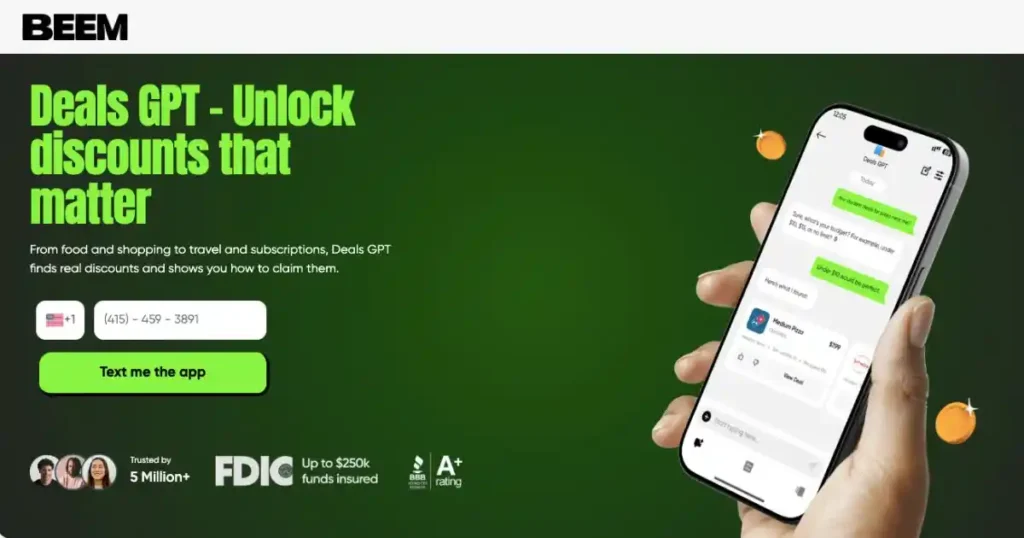
Knowing what makes you buy emotionally helps you see patterns in your spending. Beem DealsGPT also helps shoppers focus on real value instead of reacting to shopping pressure.
Signs You’re Buying Because of FOMO
FOMO shopping habits often feel normal during online sales, although certain behaviors clearly show when emotions are controlling spending decisions. Here are some common signs.
Feeling Rushed to Checkout
Many shoppers feel pressure to lose out on discounts if they don’t get something done fast. This rushed feeling often prevents careful thinking before payment happens.
Buying Items You Didn’t Plan For
Impulse purchases often occur during flash sales and limited-time offers. Products suddenly feel necessary, even when they were never part of the original shopping plan.
Justifying Purchases as “Too Good to Miss”
Many buyers believe that the high prices are a sign of low-quality products. However, buying things that are not required can also bring about increased expenditure, regardless of the initial low cost.
Regret After Purchase
Emotional buying is often followed by buyer’s regret. The excitement soon wears off, and consumers probably realize that it was not a necessary purchase.
Read: Best AI-Powered Job Search Alternatives to JobsGPT
Why Deal Anxiety Is Costing You More Than You Think
Deal anxiety may feel harmless during shopping, although repeated emotional purchases slowly create financial pressure and unnecessary stress over time. Here are some common effects.
Overspending on Unnecessary Items
Many discounted products feel affordable individually, although repeated impulse purchases slowly increase monthly expenses without shoppers fully realizing how much money disappears regularly.
Ignoring Better Deals
Rushed purchases sometimes prevent shoppers from finding stronger discounts. Waiting and comparing offers carefully often creates better savings opportunities over time.
Budget Disruption
An unanticipated purchase can quietly affect your budget for groceries, bills, or essentials. without you realizing it. Emotional purchases often create financial imbalance without much warning.
Mental Stress and Buyer’s Remorse
Shopping should feel helpful, although emotional spending often creates regret. Many shoppers feel frustrated once excitement disappears and the unnecessary expense becomes noticeable.
Read: Best Job Search Tools Like JobsGPT in the U.S.
How To Stop Buying Because of FOMO
You don’t have to stop taking advantage of sales entirely to reduce emotional shopping. Here’s how you can stop buying because of FOMO:
Pause Before Checkout
Taking a short break before payment helps reduce emotional buying decisions. Many purchases feel less necessary after shoppers step away and think more carefully first.
Ask Important Questions
Asking “Would this still feel necessary without the discount?” enables customers’ attention on usefulness instead of the emotional excitement created by temporary sales and promotional stress.
Set a Budget Before Browsing
If you have a budget, you know how much you can spend before you start shopping. This helps you avoid buying things you do not need and helps you think about your money.
Avoid Urgency Triggers
Shopping stress is created with notifications, promos, and flash sales. Minimizing these triggers can create more relaxed, considerate purchasing decisions.
Focus on Value, Not Just Price
The lower the rate, the higher the cost isn’t usually real. Beem DealsGPT helps you compare deals and focus on smart spending.
Read: JobsGPT for Delivery & Rideshare Drivers: Identify High-Earning Time Slots
Smart Ways to Shop Without Anxiety
Online shopping is easier when your spending choices are planned. Here are simple habits to help you stay calm and shop wisely.
Plan Purchases in Advance
When you plan your purchases, you do not make them emotionally. Don’t impulsively purchase things when they’re on sale; just buy what you really need.
Track Prices Instead of Reacting Instantly
Tracking prices over time is a good way to show consumers true savings. Beem DealsGPT also helps compare offers and avoid rushed shopping decisions based only on urgency.
Use Rewards and Cashback Wisely
When you have to make a purchase, cashback and loyalty programs are a great advantage. Using rewards carefully enables customers to save money and avoids useless spending.
Build Intentional Spending Habits
Intentional spending emphasizes value and comfort over emotional choices. Small habits improve recognition and cut down on pointless online buys.
Shopping feels less stressful while purchases are planned and managed. Beem DealsGPT helps shoppers discover better savings opportunities while making smarter spending decisions.
Read: JobsGPT vs Job Boards: Which Helps You Land Work Faster?
How Beem Helps You Stay in Control?
Managing online spending feels easier when financial tools support smarter shopping decisions. Here’s how Beem helps:
Budget Tracking to Avoid Impulse Buys
Beem tracks your spending behavior virtually, which enables you to avoid emotional purchases and live centered on your economic goals each month.
Instant Cash Without High Interest (Everdraft™)
Unexpected expenses can appear anytime during busy months. Beem’s Everdraft™ feature provides quick cash access without extremely high interest costs, creating extra financial pressure.
Rewards and Spending Insights in One Place
Everything is organised together to make managing cashback offers, rewards, and shopping much easier. Beem DealsGPT also helps shoppers discover useful savings opportunities before purchases happen.
Helps Shift From Reactive to Planned Spending
Beem supports thoughtful spending habits instead of rushed shopping decisions. This facilitates purchasers to feel more prepared, financially balanced, and less pressured to shop emotionally while online.
This may interest you: What Is JobsGPT and How It Helps You Find the Right Job
Conclusion: Deals Should Feel Helpful, Not Stressful
Deal anxiety becomes expensive when emotions start controlling spending decisions.
The fear of missing out can make shoppers rush purchases, ignore budgets, and confuse urgency with value. But the smartest shoppers understand that a good deal only matters if the purchase genuinely fits their needs and financial goals.
Learning to pause, compare prices, and recognize emotional marketing tactics can help reduce impulse spending and improve long-term financial habits.
With PriceGPT from Beem, users can evaluate deals more clearly and avoid unnecessary purchases driven by pressure or urgency. Paired with BudgetGPT for spending control, JobsGPT for improving financial flexibility, and DealsGPT for additional savings opportunities, Beem helps users make smarter and more intentional shopping decisions every day.
Download the Beem app today from the Apple App Store or the Google Play Store and start shopping with more clarity, confidence, and control.
FAQs
What is deal anxiety in shopping?
Deal anxiety occurs when consumers feel rushed to shop. They worry about missing constrained-time discounts, sales, or offers when purchasing online.
How can impulse buying during sales be avoided?
To avoid impulse shopping, pause before checking out. Set a price range and compare prices carefully to lessen emotional spending during sales.
Is FOMO marketing effective on everyone?
FOMO marketing impacts people differently. However, urgency tactics often sway shopping choices. Discounts and scarcity messages can create emotional buying pressure.
How can shoppers know if a deal is truly worth it?
Shoppers can examine expenses and check product usefulness. Using Beem DealsGPT helps identify real savings instead of reacting to emotional sales pressure.
Why do limited-time offers make people buy faster?
Limited-time offers create a sense of urgency. Shoppers often feel pressured to buy quickly, fearing the product or discount will soon disappear.