

Table of Contents
If you buy groceries and essentials weekly, why do prices feel so unpredictable? The list may be the same, but totals vary. One week, milk costs more, and the next, cleaning supplies rise. These can quickly begin to pile up.
Grocery items are a regular expense for students or regular households. Prices for these items are constantly changing. Changes happen for various reasons, including advertisements or provisions during quiet periods. Many look for savings at checkout, hoping for a discount. But by then, the decision is already made.
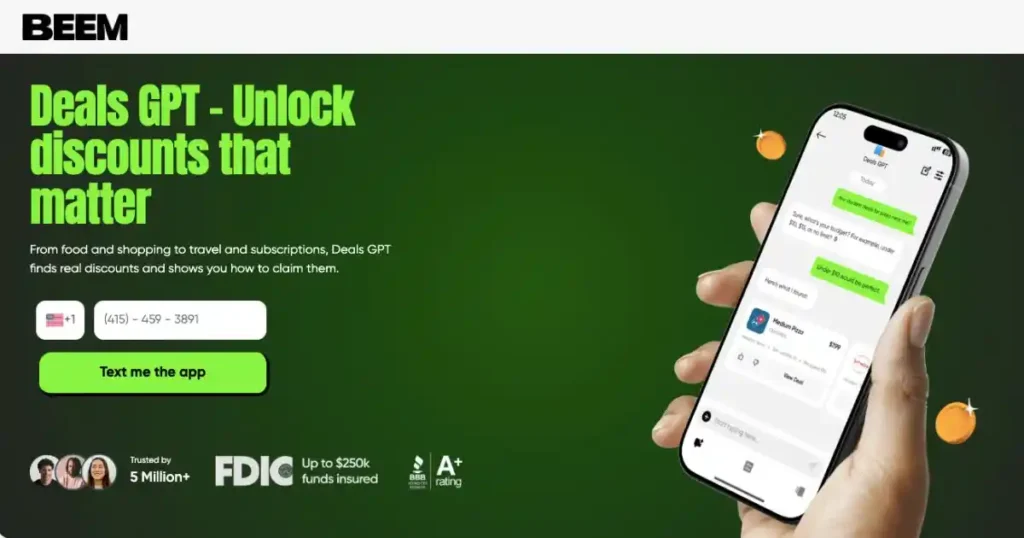
DealsGPT alerts help before shopping begins. It highlights useful price changes in advance. Instead of guessing, shoppers can see better prices in time and plan everyday purchases with more confidence.
The Problem With Traditional Grocery and Essentials Savings
Many people spend more on basic items than they expect, despite their planning. The prices of items can change every week. What feels affordable on one trip can cost more the next.
Even comparing prices across stores is trickier than it seems. It is obviously difficult to check various apps or advertisements, and therefore, normally, customers prefer to visit just one store. Plus, sale labels can be confusing. A discount might look good, but it often doesn’t show if the price is really better than before.
Another issue is the lack of visibility for recurring purchases. The same items are bought repeatedly, yet few tools show when they are cheaper. Shoppers need timely alerts before buying, not just coupons or loyalty cards at checkout.
What Are DealsGPT Alerts and How They Work for Essentials
Prices change daily, often more than people realize. DealsGPT alerts help catch these changes early, before shopping habits lock in decisions. Let’s know about DealsGPT.
Simple Explanation of DealsGPT Alerts
DealsGPT alerts are notifications that highlight useful price drops and savings opportunities on groceries and everyday essentials. They focus on items people actually buy, not random deals. Instead of scanning shelves or apps, shoppers see when something becomes worth attention. The alert shows up at the right moment when a decision can still be changed.
Why Alerts Matter More Than Manual Price Checking
Many shoppers lack the time to check flyers, apps, and websites each week. Prices shift too frequently for that to be effective. What starts as a good habit usually fades fast.
DealsGPT alerts take care of that background work. It quietly tracks changes and surfaces savings when timing actually matters, without requiring constant attention. Instead of hunting for deals, shoppers see the information when it can still change a decision.
Types of Everyday Essentials Covered by DealsGPT Alerts
Most everyday spending falls into a few familiar buckets. DealsGPT alerts focus on those basics, where prices shift quietly, and the impact shows up over time.
Grocery Staples and Food Items
Grocery prices shift often, especially for items bought every week. DealsGPT alerts track pantry essentials, dairy and beverages, packaged foods, and snacks or meal ingredients. Spotting these changes early helps you plan purchases. This way, you avoid reacting at checkout when prices are already set.
Household and Cleaning Essentials
Household supplies tend to be replaced without much thought. Alerts cover detergents, cleaning supplies, paper products, and bathroom essentials, helping to manage costs that recur regularly and add up slowly.
Baby, Pet, and Personal Care Categories
Prices in these categories move frequently and often include bundle deals. DealsGPT alerts help spot value moments early, especially before restocking becomes urgent and choices feel limited.
Read: How DealsGPT Finds Hidden Grocery Deals in Your Weekly Shop
How DealsGPT Identifies High-Value Alerts Instead of Noise
Not every price change matters. DealsGPT focuses on alerts that actually affect spending, so attention stays on moments that make a real difference.
Focusing on Meaningful Savings
DealsGPT prioritizes alerts tied to real price drops, multi-pack value, or clear discount events. Small shifts that do not change buying decisions are ignored. This keeps alerts useful and prevents shoppers from reacting to minor changes that do not improve the total grocery bill.
Avoiding Artificial “Was vs Now” Pricing
Some deals rely on inflated reference prices to look attractive. DealsGPT filters these out by checking whether the discount reflects real savings. This helps shoppers avoid being pulled in by labels that look good but do not actually offer better value.
Matching Alerts to What Shoppers Actually Buy
Alerts stay relevant by focusing on items people buy regularly. When alerts match real shopping habits, they feel practical instead of overwhelming. This relevance keeps savings simple and avoids unnecessary notifications.
Best DealsGPT Alert Scenarios for Real-World Grocery Shopping
Alerts are most helpful when they fit into everyday routines, not special cases or rare purchases. Here are some of the best DealsGPT alert scenarios:
Stock-Up and Pantry Refill Moments
DealsGPT alerts help you spot great times to stock up on essentials when prices drop. Instead of buying at peak prices out of necessity, shoppers can refill their pantries when value improves.
Weekly or Monthly Essentials Planning
Many households have regular shopping routines. Alerts can help with these routines. They show when to price-match for weekly grocery trips or monthly stock-ups. This reduces last-minute decisions in urgent situations.
Seasonal and Holiday Essentials
Prices may also fluctuate during holidays, back-to-school events, or other seasonal events. DealsGPT alerts help keep buyers informed of prices to ensure they prepare well without spending more money during peak periods.
DealsGPT vs Traditional Grocery Coupon and Flyer Apps
Savings tools work differently depending on when they appear in the shopping process. Let’s know the difference:
Reactive Discounts vs Proactive Savings Awareness
Coupon and flyer apps usually activate at checkout, after decisions are made. DealsGPT works earlier, helping shoppers notice price changes before choosing where or when to buy. This shift supports better decisions, not just last-minute adjustments.
Why Category-Wide Awareness Leads to Better Savings
Alerts provide a broader view across categories, stores, and timing. Instead of applying one code, shoppers can choose where and when to buy essentials. That awareness leads to steadier savings and fewer rushed choices.
How Users Can Personalize DealsGPT Alerts for Essentials
Everyone shops differently. Personalization makes DealsGPT alerts helpful, not just noise. Here’s how users can tailor these alerts:
- Users can follow specific categories like groceries or cleaning supplies. This keeps alerts focused on what they need for weekly shopping.
- Frequently purchased items can be prioritized. This way, alerts highlight repeat needs instead of random deals that aren’t relevant.
- Users can adjust alert frequency to reduce constant notifications. This helps them notice important price changes during regular shopping weeks.
- Personal settings ensure users focus on useful savings. This prevents overwhelming them with information they might ignore over time.
When alerts match real routines, they remain helpful instead of becoming noise.
Things to Know About Grocery and Essentials Alerts
Alerts help with awareness, but grocery pricing still shifts in ways that are worth understanding before relying on any system. Here are things you should know:
- Deals can vary by region or retailer, so prices may look different depending on location and the store type chosen locally.
- Some offers are time-limited, meaning waiting too long can cause a better price to disappear before shopping decisions are made.
- Alerts help to inform you, but the timing of when you should buy or look out for a bargain is very important.
Knowing this helps make alerts feel supportive, not frustrating.
Who Benefits Most From DealsGPT Essentials and Grocery Alerts
Alerts tend to work best for people with repeat spending, shared budgets, or routines where small changes quietly add up. Here are some of the people who will benefit from DealsGPT alerts:
- Budget-focused families benefit as small savings repeat across groceries and household basics throughout the month without extra tracking effort.
- Students and shared households gain clarity when managing limited budgets and splitting everyday shopping costs more fairly over time.
- Frequent online shoppers of groceries are in a better position to save as they avoid impulse buying.
- For a person who regularly incurs monthly expenses, they see a spending pattern and can react to price increases that may be accumulating over time.
For such groups, consistent knowledge causes consistent savings.
Final Takeaway: Why Smart Alerts Beat Last-Minute Grocery Savings
Grocery savings usually do not come from one good moment at checkout. They come from timing things better and paying attention before shopping starts. When prices are understood early, everyday purchases feel easier to manage.
DealsGPT alerts help with that awareness. They point out useful price changes while there is still time to decide. That makes planning simpler and avoids paying extra for the same essentials out of habit.
If grocery shopping has started to feel heavier than it should, Beem helps bring some balance back. Download the Beem app and let DealsGPT alerts guide your next trip before the cart fills up.
FAQs About DealsGPT Essentials and Grocery Alerts
Do DealsGPT alerts work for both online and in-store groceries?
Yes, alerts may contain information regarding the amount saved from both online and in-store purchases, depending on the store in question.
Can users track specific grocery items?
Instead of single items, users can follow categories or repeat purchases. This keeps alerts practical and focused on what is used most often.
Are grocery alerts the same as coupons?
Not really. Alerts point out good price moments, even when no coupon exists, so savings come from timing rather than from extra steps.
Do alerts support bulk or family-sized purchases?
Yes. DealsGPT can highlight value on larger packs when they offer better per-unit pricing or make sense for regular household needs.