

Table of Contents
Have you ever noticed how a product you viewed once suddenly follows you everywhere—with slightly different prices, “limited-time” offers, or new discounts? That’s not a coincidence. Online stores are designed to influence how you perceive prices and make decisions, often in subtle ways you don’t even realize. From personalized pricing and urgency triggers to strategically placed discounts, these tactics are built to guide you toward buying faster—not necessarily smarter.
The challenge is that most shoppers assume prices are fixed and fair, when in reality, they’re highly dynamic and tailored. Algorithms track browsing behavior, demand patterns, and even timing to adjust what you see. This creates a sense of urgency or value that may not reflect the true worth of the product. As a result, it’s easy to overspend or feel unsure about whether you made the right choice.
That’s where AI-powered tools are helping shift control back to the shopper. Platforms like Beem give you the insights needed to cut through these tactics. With PriceGPT, you can evaluate if a price is genuinely fair. BudgetGPT helps you stay grounded in your spending plan, while JobsGPT supports your income goals. Add DealsGPT, and you can access real savings without being influenced by marketing pressure.
In this blog, we’ll explore How Online Stores Influence Your Price Decisions—and how to shop with more awareness and control.
Why Online Prices Are Designed to Guide Your Choices?
Prices online are not arbitrary figures. The stores leverage information and analytics to shape your shopping experience through price. They employ strategies to win your attention, have a way of thinking, and influence what you purchase.
The Goal Behind Every Price Tag
Every price comes with a strategy meant to influence shoppers’ reactions and purchases. Here are some key goals behind online price designs:
- Encouraging Faster Purchases: Online stores tend to offer promo deals or a sense of urgency. These strategies minimize indecisiveness and accelerate the decision-making process to purchase.
- Increasing Average Order Value: Retailers encourage offers, recommendations, and price breaks. These plans stimulate buyers to make additional purchases at the counter.
The Psychology Behind Online Pricing
Online pricing is not just a figure. Their appearance influences your opinion of their worth. Minor details may alter the way you think and what you purchase. The following are some of the typical online pricing methods:
Charm Pricing and the $9.99 Effect
When prices are given as .99, they appear to be lower than even though the difference is minimal. For example, $9.99 does not look like 10, but rather like 9. It is a strategy that makes products to be seen as cheaper.
Anchoring with higher original prices
Many online stores show a higher previous price next to the current one. This tactic creates a reference point, making the new price look more attractive.
Decoy Pricing Strategies
Some product pages include a middle ground between a lower and a higher price. This arrangement will lead the shopper to more expensive alternatives by making them appear more reasonable.
How Online Stores Use Urgency to Influence Prices?
Urgency signals are used in online stores to prompt you to buy sooner. These cues create a sense of pressure and make shoppers feel they have less time. Here’s how you can use:
Limited-Time Offers
Limited-time offers are often displayed alongside product prices. Expiring deals and countdown timers give shoppers the impression that they may miss out if they wait too long.
Low-Stock Warnings
On product pages, there are usually low-stock warnings such as Only three left. Such warnings hint at a shortage and urge consumers to make purchases before the product is gone.
Flash Sales and Daily Deals
Flash sales and daily deals offer products for a limited time. Through such offers, buyers are prompted to make immediate purchases because they believe that the discounted value can be lost in the near future.
Check this out: How PriceGPT Integrates with DealsGPT for Maximum Savings?
Personalization and Dynamic Pricing
Online stores vary depending on what you do, where you are, and demand. Such transformations occur during your shopping. Pricing is personalized, and this influences your value thinking and purchasing decisions. Here are some common methods.
How Browsing Behavior Affects Prices
Stores monitor browsing activity to gauge interest. They analyze what products are viewed and search patterns. This data helps them adjust recommendations and promotional offers to guide buying decisions.
Location-Based Pricing Differences
Prices can vary depending on the shopper’s location. The price displayed can vary due to regional factors, including shipping costs, taxes, and local demand.
Demand-Based Price Changes
Prices tend to rise when demand and supply are high and supply is limited. Algorithms monitor product popularity and automatically recalculate prices based on changes in market demand.
How does website design influence your spending?
Website layout shapes how shoppers navigate products and make decisions. Design choices guide attention to certain products and offers. These details influence spending, often without obvious pressure. Here are common design patterns that affect buying behavior.
Default Add-Ons and Preselected Options
Many checkout pages have auto-upgrade or pre-selected options. Such aspects as increased shipping speed, longer warranties, or a subscription are commonly chosen. This motivates shoppers to make purchases, which will result in additional costs and no reductions.
Free Shipping Thresholds
Free shipping limits motivate customers to increase the cart value. When an order is very close to the limit, quite a number will include another item to save shipping costs.
Recommended Products and Bundles
Suggestions such as custom also bought or bundled offers are displayed on product pages. These suggestions show related products, which are more likely to prompt additional purchases at checkout.
How These Tactics Affect Your Financial Decisions
Online pricing strategies do not influence just a single purchase. They influence your future spending behavior. Here’s how it affects:
Buying Faster Than Planned
The urgency, countdown timers, and limited offers expedite the decision-making. Consumers will be able to flock to stores to purchase without evaluating alternatives or reflecting on the necessity of the product.
Spending More Than Your Budget
Bundles, add-ons, and recommended products may increase the final cost of the order. Every additional item can be minor, but when combined, they can push an expenditure over the initial budget.
Feeling Like You Got a Deal When You Didn’t
Visible discounts and inflated original prices create a sense of savings. The discount shown will make the purchase feel like a win, even when the price is similar elsewhere.
Signs an Online Store Is Influencing Your Price Decisions
It is easier to shop online when you are fully conscious of prices and established limits. These signs can influence purchase decisions without the shopper’s knowledge. These are some of the indications that the pricing process is affecting your decisions.
You Feel Pressured to Buy Quickly
You may feel in a hurry when there are countdown timers or limited-time offers on a product page. Such pressure may result in faster judgments and less prudent comparisons.
You Add Extra Items to Reach Free Shipping
Free shipping limits can push you to increase your cart value. You can add items when your order is close to the required amount.
You Buy Things You Did Not Originally Plan to Purchase
Product recommendations and package deals may bring things that were not originally on your mind. These suggestions tend to render additional purchases helpful.
This may interest you: How AI Can Help You Decide Between Saving, Paying Debt, or Spending Today
How to Take Control of Your Price Decisions?
Online shopping becomes easier when the prices and set limits are known to the shopper. Minor habits can reduce unwarranted expenses and encourage improved financial decisions. Here’s how you can take control of price decisions.
Compare Prices Across Multiple Platforms
Compare prices on various online shops. In this manner, customers will not be tied down to a retailer. Comparing options presents superior deals and prevents you from paying overcharge.
Ignore Countdown Timers and Urgency Tactics
The presence of countdowns and time-until-sale messages is a stressor to immediate purchase. Stop and reconsider what you are buying. This helps you determine whether it is worth the price.
Set a Budget Before You Shop
Always have a predetermined spending amount and then go shopping. An established budget is used to manage impulse purchases. It guides your choices and manages expenditures in line with your financial goals.
Tools That Help You Shop Smarter
Shopping online is more convenient with tools that facilitate price comparison and expenditure awareness. These tools simplify decision-making and reduce navigation confusion. Here are some useful tools
Price Comparison Tools
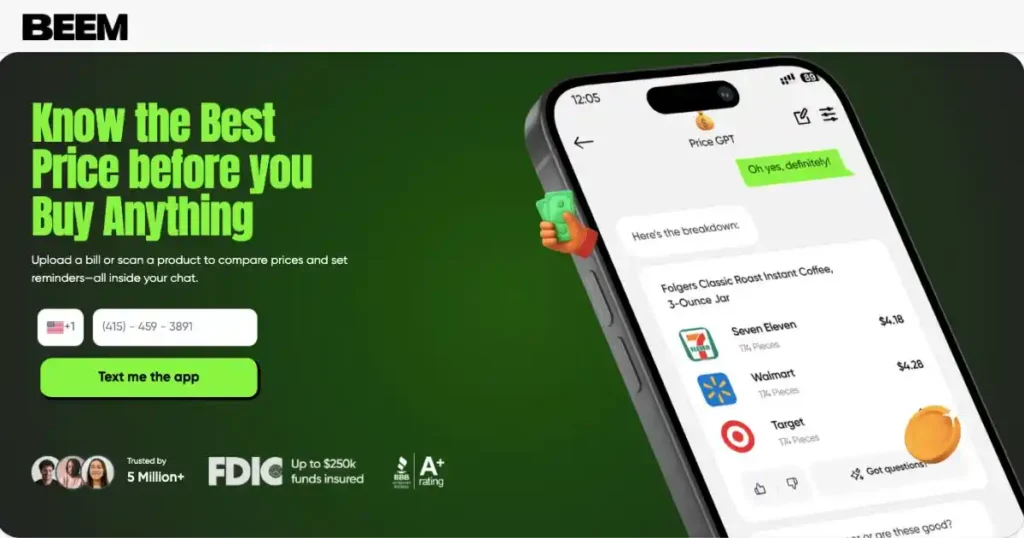
Price comparison tools like PriceGPT let shoppers check the same product at different retailers. Seeing multiple listings helps find better prices and avoids sticking to one store.
Deal and Coupon Discovery Apps
The Deal discovery apps collect verified promotions and coupons from retailers. These websites enable customers to easily locate discounts that reduce the cost of purchase.
Budgeting and Spending Insight Tools
Certain mobile apps, such as Beem, help customers monitor their expenses while seeking better offers on daily purchases.
Real-time Transaction Alerts
Real-time notifications inform users whenever a purchase is made, allowing them to monitor spending immediately and remain aware of purchase frequency.
Spending Category Tracking
Spending category tracking sorts transactions into clear groups. This helps users understand what happens to their money and makes changes in their habits where necessary.
Deal Discovery in One Place
Apps like Beem combine spending insights with deal discovery tools. They help users manage expenses while finding better offers and smarter prices.
The Long-Term Benefits of Smarter Price Decisions
Smart pricing decisions may result in stable financial development. Daily choices made while shopping shape monthly spending and savings patterns. Here are some lasting benefits of making better price decisions.
Lower Monthly Expenses
The extra cost can be reduced by carefully comparing prices and shopping thoughtfully. When customers consistently prefer more advantageous offers, it becomes easier to control their monthly budgets.
Better Financial Awareness
Financial Awareness increases spending behavior. Shoppers would realize over time how they are using their money, and they can make wiser decisions.
Reduced Reliance on Emergency Funds
Smart shopping saves money and improves financial security. Unexpected costs are manageable when daily spending is regulated without using emergency funds.
Check this out: AI Insights for Gig Workers Balancing Multiple Income Streams and Irregular Checks
Conclusion
Online stores are incredibly effective at shaping how you think about prices—but awareness is your biggest advantage. As we’ve explored in How Online Stores Influence Your Price Decisions, the issue isn’t just pricing itself—it’s how pricing is presented to nudge quick, emotional decisions. Once you recognize these patterns, you can move from being influenced to being in control.
That’s where the right tools make a real difference. With BudgetGPT, you can approach purchases with a clear plan, reducing the impact of urgency-driven tactics. PriceGPT helps you cut through personalized pricing and misleading discounts, giving you confidence in what you’re paying. JobsGPT supports your ability to grow your income, so your financial decisions aren’t limited by short-term pressures. And with DealsGPT, you can still benefit from genuine offers—without falling for manipulative strategies.
Together, these tools—powered by Beem—help you make smarter, more intentional decisions every time you shop.
Ready to take control back from algorithms and shop on your own terms? Download the Beem app today on the Apple App Store or the Google Play Store and start making confident, informed financial choices every day.
FAQs
1. How do online stores influence what I buy?
Online stores shape purchases using the pricing strategy, placement of products, urgency messages, and recommendations.
2. What is pricing psychology in online shopping?
Pricing psychology uses techniques such as charm pricing, price reductions, and price anchoring. These tactics determine the perceptions of value and affordability for the shoppers.
3. Do websites show different prices to different people?
Yes, there are online stores that have dynamic pricing. Geographical location, shopping behavior, and demand may lead to price disparities among various shoppers.
4. How can I avoid being influenced by online pricing tactics?
Shoppers can avoid pricing tricks by store shopping, not paying attention to the urgency factors, establishing a budget, and waiting before buying anything.
5. What tools help me make smarter price decisions?
Price comparison tools such as PriceGPT, budgeting apps, and deal finders assist shoppers in keeping track of expenses and finding improved offers.