

Table of Contents
Have you ever bought something online, only to see the price drop a few days later? It’s a frustrating experience—and a common one. Online prices don’t stay fixed; they fluctuate based on demand, inventory, timing, and even user behavior. What feels like the “right time” to buy is often just a guess, which can lead to missed savings or buyer’s remorse. The challenge isn’t just finding a good product—it’s knowing when to buy it at the best possible price.
This happens because most shoppers don’t have visibility into price history or trends. Retailers adjust prices dynamically, making it nearly impossible to track whether a current deal is actually the lowest it’s been—or if it’s likely to drop further. That’s where AI-powered price tracking is changing the way people shop.
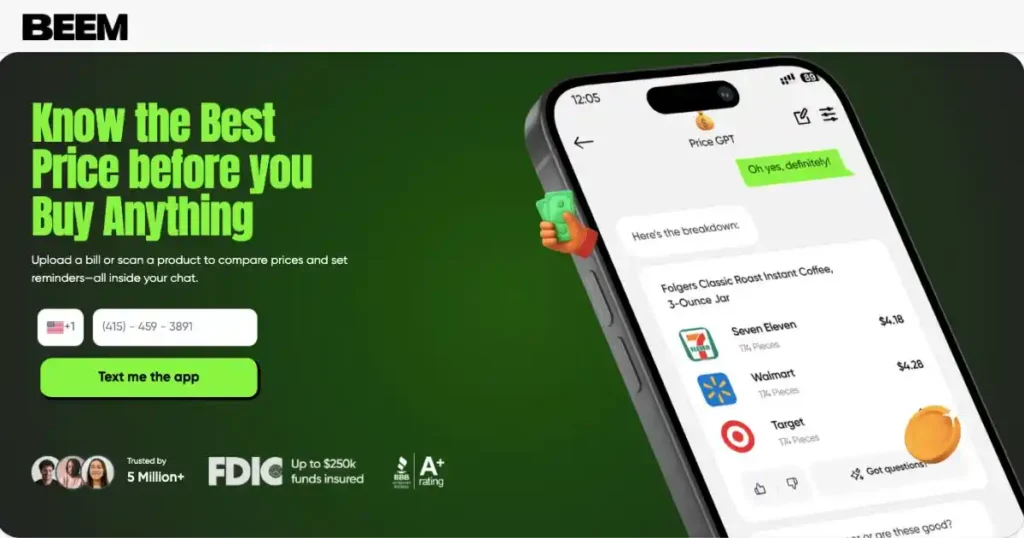
Platforms like Beem simplify this process by bringing intelligent insights into your financial decisions. With PriceGPT, you can track price changes and identify the best time to buy. BudgetGPT ensures your purchases stay within plan, while JobsGPT helps you boost your income alongside smarter spending. Add DealsGPT, and you get access to timely savings without the guesswork.
In this blog, we’ll explore How Price Tracking Helps You Buy at the Right Time—so you can stop guessing and start saving strategically.
Why Timing Matters More Than You Think?
Online shopping prices change more often than people realize. The prices of stores vary depending on demand for a good by consumers and competitors. When you purchase something at the wrong time, you may find yourself paying more for it than you would have paid if you had waited a couple of days.
Real-Life Examples of Price Changes
Price shifts happen in everyday shopping. Here are some examples of how timing affects your payment.
Example 1: Electronics price drops
Electronics often get cheaper a week after they’re released. A pair of headphones could be sold at a starting price of $199, then reduced to $149 when demand stabilizes or upon the release of a newer model.
Example 2: Seasonal clothing discounts
Seasonal products, such as winter coats, follow a pattern. The sale occurs once the cold season is over. During holiday sales, household appliances tend to be cheaper. When the stores are selling unpopular stuff off.
These examples show why using price tracking tools can help you buy things at the right time, not just when it’s convenient.
What Is Price Tracking and How Does It Work?
Price tracking is the observation of product price movements. Instead of repeatedly checking a product, software tools do it automatically. Here’s how these tools simplify the process.
The Basics of Price Tracking Tools
Price tracking tools gather information from stores and record how prices change. With time, this demonstrates trends such as when items tend to be on sale or when prices may temporarily shoot up.
Having this information, you can observe price direction, not just the assumption that something is costly or not.
How Price Drop Alerts Work
Price drop alerts tell users when a product is cheaper than expected. Shoppers can set a target price, such as $600 for a laptop or $80 for running shoes.
When the price hits that target, you get a notification of that price. Tools like PriceGPT make it easy by tracking deals and letting you know when prices get better.
Also read: Stop Paying the “Lazy Tax”: How DealsGPT & PriceGPT Automate Savings
Why Prices Change So Often Online
Prices do fluctuate online because retailers are highly sensitive to market conditions. In contrast to stores, online platforms can change prices in real time. Here are some of the reasons of such changes:
Demand and Supply Fluctuations
When there is an increase in demand of commodities, prices tend to go up. For example, a new smartphone can sell at a higher price during the first weeks of its release because of the peak demand. Conversely, non-sellers might be discounted as stores attempt to restock.
Competitor Price Adjustments
Online stores monitor their competitors’ prices. When one retailer reduces a price, others can easily respond to compete. This paced pricing environment shows why tracking prices online is useful.
Time-Based and Seasonal Pricing
Some price changes happen at set times. Discounts are common during holiday sales, clearance events, and seasonal changes. For instance, TVs often go on sale during shopping events. Travel tickets can also vary depending on the day of the week.
Understanding these trends helps you find the time to buy online.
The Benefits of Using Price Tracking
Price-tracking tools do more than just monitor prices. They help you make decisions when you buy things. Here are some benefits of using price tracking.
Avoid Overpaying for Everyday Purchases
Buying things only when prices drop stops you from spending too much. You do not pay the full price but wait to get good deals.
Making Smarter, More Confident Decisions
Price tracking takes the guesswork out of buying. Seeing price trends helps you know if a deal is really good or just okay.
Saving Money Without Constant Searching
Manually checking prices takes time. Price tracking tools do this automatically. They watch multiple retailers while shoppers focus on other things.
Types of Purchases That Benefit Most From Price Tracking
Some products change prices more often than others online. Knowing these categories helps you see when price tracking is most useful. Here are common purchases where tracking can really help.
Electronics and Gadgets
Electronics regularly experience massive price reductions with the release of new models. Using PriceGPT lets you wait for discounts instead of paying full price right away.
Travel and Transportation
Travel prices is highly fluctuating depending on demand, season, and booking. Tracking the prices of airline tickets or hotels helps you identify when prices fall.
Household Essentials and Subscriptions
Everyday items and subscriptions can have discounts or promotions. Monitoring these with PriceGPT helps you buy essentials when prices are lower.
Read: How PriceGPT Compares Everyday Prices So You Stop Overpaying Without Thinking About It
How to Use Price Tracking to Buy at the Right Time?
Buying at the moment takes patience and planning. Here’s how you can use PriceGPT:
Step 1: Identify the Product You Want
Start by choosing a product. This prevents buys. Clear intentions help you track items instead of reacting to temporary discounts.
Step 2: Set a Target Price
Next, set a target price. This builds pre-purchase expectations. It assists you in determining the price that you feel comfortable to pay on the product.
Step 3: Activate Price Alerts
Activate price notification to track the prices of products in retailers.. These alerts notify you when costs drop. This saves you from having to check the product repeatedly.
Step 4: Buy When the Price Matches Your Budget
Buy when the price is affordable. This helps maintain discipline. It also prevents decisions during limited-time promotions.
Check this out: How PriceGPT Integrates with DealsGPT for Maximum Savings?
Tools That Help You Track Prices Easily
Price tracking is easier with the tools. Many tools help you find deals and better buying opportunities.
Browser Extensions and Comparison Sites
Browser extensions monitor product prices as you browse online. These tools compare prices from retailers and show historical price trends.
Mobile Apps With Deal Alerts
Mobile apps notify users when prices drop. These alerts enable the shopper to respond promptly to short-term offers.
Financial Apps That Combine Deals and Budgeting
Some apps like Beem merge price tracking with budgeting. These tools help users see spending patterns and discover deals.
Spending Insights and Alerts
Spending insights reveal how purchases impact budgets. This helps users spot patterns that affect financial choices.
Deal Discovery Features
Deal discovery tools highlight verified discounts across categories. This makes it easier to find quality products without endless searching.
Price Tracking Across Categories
Price tracking enables customers to track electronics, household products, and subscriptions at the same location.
Read: How AI Helps You Simulate “What If” Scenarios Before Making Big Money Decisions
Common Mistakes People Make With Price Tracking
Shopping can be enhanced by price tracking. Certain habits render it ineffective. These are the most common errors made by shoppers in price tracking.
Waiting Too Long and Missing Good Deals
It is confusing to watch too many products. A reduced list will help you focus on what you actually want to purchase.
Ignoring Total Cost Including Fees
Focusing on the listed price can be tricky. Shipping costs, taxes, and service fees often raise the amount,t cutting into real savings.
Tracking too many products at once
Keeping an eye on too many products can lead to confusion. A shorter list helps you concentrate on items you really want to buy.
How Price Tracking Fits into Smarter Financial Habits?
Price monitoring helps shoppers make informed decisions before they purchase. It sensitizes them on their expenditure patterns. Here’s how price tracking fits:
Reducing Impulse Purchases
Tracking prices promotes patience. It discourages buying decisions. Of jumping on sales, shoppers wait for real discounts that match their needs.
Planning Purchases Around Your Budget
Price alerts help shoppers stick to their budget. Waiting for the price keeps spending in line with financial goals.
Building Long-Term Savings Habits
Frequent price consciousness inculcates saving habits. Making small decisions about when to purchase can reduce expenditures.
Check this out: AI Insights for Gig Workers Balancing Multiple Income Streams and Irregular Checks
Conclusion
Timing can make all the difference when it comes to online shopping. As we’ve explored in How Price Tracking Helps You Buy at the Right Time, the key isn’t just finding a good deal—it’s knowing whether it’s the right deal at the right moment. Without visibility into price trends, it’s easy to buy too early, miss better offers, or second-guess your decisions later.
That’s where smarter tools give you an edge. With PriceGPT, you can track price movements and make informed decisions based on real data—not assumptions. BudgetGPT helps you stay disciplined, ensuring your purchases align with your financial goals. JobsGPT supports your earning potential, so you’re not just saving smarter but also building more financial flexibility. And with DealsGPT, you get timely opportunities to save without constantly monitoring every price change yourself.
Together, these tools—powered by Beem—help you take control of both when and how you spend.
Ready to stop guessing and start buying with confidence? Download the Beem app today on the Apple App Store or the Google Play Store and make smarter, better-timed financial decisions every day.
FAQs
1. What is price tracking, and how does it work?
Price trackers track the price changes of particular products among the various online retail outlets. When the price drops or reaches a set amount, the tool sends alerts so shoppers know.
2. Are price tracking tools accurate?
Most price tracking tools collect data directly from online stores. Update regularly. Although the prices fluctuate, these tools tend to give useful alerts.
3. How do I know the right time to buy something online?
The right time often appears when prices fall near their lows. Price tracking tools reveal trends. Notify shoppers when discounts appear.
4. What products benefit most from price tracking?
Electronics, travel reservations, household appliances, and subscription-based services are the most beneficial since they have varying prices among retailers and seasons.
5. Can price tracking really help me save money?
Yes, the price tracking is actually beneficial to people and allows them to wait until something is on sale or purchase it immediately. This implies that individuals are able to obtain what they require in life at a reduced cost.