


Table of Contents
Subscriptions are designed to fade into the background. A few dollars here, a small charge there, and before you know it, monthly payments quietly pile up. Many U.S. households don’t overspend on subscriptions intentionally—they just don’t see price changes, unused services, or better alternatives as they happen.
Purchase Intelligence changes that by looking beyond individual transactions. Instead of tracking subscriptions manually, AI evaluates patterns over time—how often services are used, how prices shift, and whether a subscription still makes sense within your overall budget.
Beem brings this capability together through PriceGPT, which uses Purchase Intelligence to flag subscriptions that are overpriced, underused, or no longer aligned with your spending habits. When paired with insights from BudgetGPT and savings opportunities from DealsGPT, subscription management becomes proactive instead of reactive.
This blog explores how PriceGPT helps identify overpriced subscriptions early—before small monthly charges turn into long-term money leaks.
What Purchase Intelligence Really Means?
Purchase intelligence means looking beyond the simple list of transactions. It connects frequency, price changes, usage, and purpose. A raw bank statement only shows amounts. It does not explain whether those amounts still make sense.
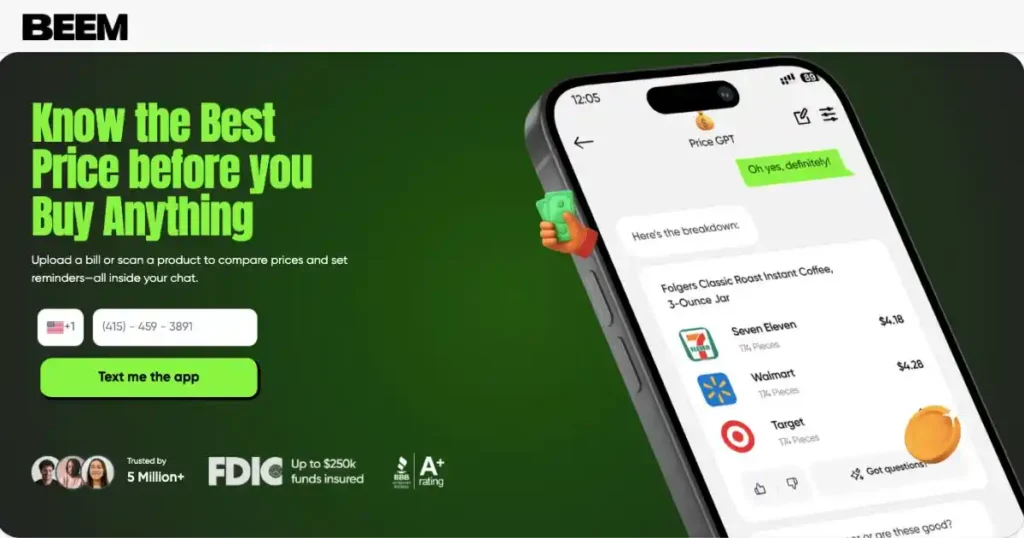
Price GPT reviews subscription spending in context. It highlights trends, quiet price increases, and underused services, making it much easier to see when a plan no longer deserves its place in the budget.
Read: How AI Helps You Simulate “What If” Scenarios Before Making Big Money Decisions
How PriceGPT Builds a Subscription Map?
Subscription spending can feel scattered because charges land at different times and for different reasons. Here’s how Price GPT organizes everything so the full picture finally makes sense:
- Spots recurring payments automatically by noticing patterns in timing and amounts, so streaming apps, cloud storage, and memberships no longer hide inside long transaction lists.
- Group subscriptions by category and purpose, such as entertainment, productivity, learning, and utilities, which makes it easier to see where most of the money actually goes each month.
- Separates essential services from optional extras so core needs like internet or phone plans do not get mixed up with “nice-to-have” services that can be paused or canceled.
- Highlights free trials that quietly convert to paid plans because many services rely on auto-renewal to keep billing long after the trial has been forgotten.
- Mark’s overlapping services that do the same job, such as two music platforms or multiple cloud backups, help prevent paying twice for nearly identical features.
When all subscriptions are mapped clearly, the budget feels easier to manage. Patterns appear, waste becomes visible, and choices about what to keep or cancel become much simpler.
How PriceGPT Detects Overpriced Subscriptions?
Subscription costs often rise slowly, which makes them hard to notice. PriceGPT looks past the surface and spots when a service quietly becomes more expensive than it should be. Here’s how Price GPT detects:
Comparing Your Price Against Market Benchmarks
Price GPT compares the amount being paid with what others typically pay for the same plan. When the price is higher without any added features or benefits, the subscription is flagged to prevent the extra cost from going unnoticed.
Tracking Price Increases Over Time
Many services raise prices in small steps, sometimes without clear reminders. Price GPT tracks how the subscription amount has changed over months or years and highlights any increases that drift far from the original agreed value.
Measuring Cost vs Actual Usage
Some subscriptions look harmless until usage is compared with the monthly cost. Price GPT reviews how often the service is actually used and identifies when the value no longer matches the price, especially for services that quietly continue in the background.
By connecting real price data, usage patterns, and market averages, Price GPT turns vague spending into clear decisions. These signals make overpriced subscriptions easier to recognize before they drain the budget.
How PriceGPT Flags Risky Subscription Patterns?
Small recurring payments often look harmless, but some patterns slowly weaken a budget without anyone noticing. Price GPT identifies spending patterns that suggest risk. Here’s how it highlights those that need attention:
- Long-term subscriptions may keep charging even when their value declines. This happens when features change or cheaper plans appear.
- Two or three services might do nearly the same thing, splitting money across overlapping tools without real benefits.
- Free trials can turn into paid plans without notice. Charges continue monthly due to auto-renewal in the background.
- Annual plans seem cheaper at first, but they lock users in. Costs can outweigh benefits if usage drops or needs change.
- Promotional pricing ends after a few months. The new higher rate blends into everyday spending, making it harder to spot the increase.
By spotting these patterns early, PriceGPT helps prevent small subscriptions from becoming long-term financial leaks. This keeps ongoing spending clearer, steadier, and easier to manage over time.
This may interest you: How AI Can Help You Decide Between Saving, Paying Debt, or Spending Today
Turning Flags into Actionable Budget Decisions
Awareness is only helpful when it leads to simple choices. Price GPT turns insights into straightforward next steps.
- Showing which subscriptions should be reviewed first based on cost and usage.
- Comparing alternatives so that decisions do not feel overwhelming.
- Highlighting downgrade options instead of only canceling.
- Suggest lower-tier plans when features are not in use.
- Helping to reduce total subscription spend without removing essentials.
The goal is not to strip life of convenience or enjoyment. It is about paying fair prices for services that still matter.
Why Overpriced Subscriptions Are Hard to Spot Manually?
Subscription spending blends into the background. Charges are small, predictable, and automatic. Here’s why overpriced subscriptions often go unnoticed, even when budgets are tight:
- Habit-Based Renewals
Subscriptions renew by default. Payments keep happening each month without active approval. Over time, this renewal becomes routine instead of a conscious choice.
- Emotional Attachment to Services
Some services feel comforting or entertaining. This makes cancellation harder. The emotional value often outweighs logic, even when the subscription is barely used.
- “Set It and Forget It” Convenience
Subscriptions aim to make life easier. However, this convenience hides price increases. There’s no reminder to review costs regularly.
- Tiny Charges That Don’t Feel Urgent
Most subscriptions charge small monthly amounts. As a result, payments rarely feel painful. The real issue shows up only when you add everything up for the year.
All of this means overpriced subscriptions often don’t seem wasteful at first glance. PriceGPT handles that mental load, making budgets feel lighter and more intentional.
Accuracy and Transparency in Subscription Analysis
Trust matters when AI interacts with personal finances. PriceGPT focuses on clarity, so subscription reviews never feel mysterious or hidden. Every flagged subscription includes context explaining why it appears overpriced. Nothing feels hidden or unexplained.
Comparisons stay grounded in real price data and consistent updates. As subscription pricing shifts, the analysis evolves to stay accurate. This creates a steady balance between accuracy and simplicity, which helps keep subscription reviews fair and practical.
Privacy and Ethical Use of Purchase Data
Subscription data is protected with strong privacy measures. PriceGPT anonymizes subscription information so it cannot be traced back to individual users. This analysis examines trends while keeping financial details confidential.
No personal spending data is resold. AI logic stays centered on user benefit. AI helps support better financial choices instead of pushing outside interests. This ensures a cleaner, more trustworthy way to review recurring costs.
Long-Term Impact on Your Budget
Small subscription changes may not feel huge at first, but they shape the budget over months. Here’s how steady price awareness creates real, lasting benefits:
- Monthly savings add up to strong yearly relief, especially when you cut recurring charges and remove unnecessary services.
- Fewer surprise renewals lower stress and stop forgotten subscriptions from quietly draining your money.
- Predictable subscription spending makes monthly planning easier and steadier.
- Clear visibility helps replace emotional spending with calm choices that align with your real needs.
- Better subscription management boosts financial confidence, giving you a sense of control over your bills.
Over time, budgets feel calmer and clearer, rather than reactive.
Read: How PriceGPT Compares Everyday Prices So You Stop Overpaying Without Thinking About It
Conclusion: Smarter subscriptions start with visibility.
Subscription costs don’t become a problem overnight—they grow quietly. The key to controlling them isn’t constant monitoring, but smarter visibility.
With Beem, PriceGPT uses Purchase Intelligence to surface subscriptions that cost more than they should, BudgetGPT shows how those charges impact your overall plan, and DealsGPT helps you find better options when it’s time to switch or cancel. If reclaiming those savings creates short-term gaps, Beem’s Instant Cash Advance provides flexibility without overdraft stress.
To take control of subscriptions without micromanaging them, download the Beem app from the Apple App Store or the Google Play Store and let Purchase Intelligence work quietly in the background.
FAQs
How does PriceGPT know a subscription is overpriced?
PriceGPT compares your subscription price with market benchmarks, current plan tiers, and real usage patterns. When the cost appears higher than the typical value, it gently flags the difference for review.
Does PriceGPT track price changes automatically?
Yes. Subscription prices shift often, sometimes in small increments. PriceGPT follows those updates, so users see how the cost changes over time rather than relying on memory.
Can PriceGPT detect duplicate or overlapping subscriptions?
Yes. When two or more services serve the same purpose, PriceGPT highlights the overlap. This helps reduce unnecessary spending without removing important tools or entertainment.
Will PriceGPT cancel subscriptions for me?
PriceGPT focuses on awareness and guidance. The final decision remains with the user. Clear insight makes the choice easier and removes confusion around value and price.
Is my subscription data kept private?
Yes. Subscription information is anonymized and protected. It is never resold or used for unrelated purposes. Privacy is a key principle in our design.






