

Know, How Purchase Intelligence Helps You Make Smarter Buying Decisions
Every purchase you make whether it’s a grocery run, a big-ticket gadget, a recurring subscription, or a last-minute online deal leaves a digital trail.
Until recently, most of that information sat unused. But modern financial tools are changing that, helping you understand your spending in a way that feels personalized, timely, and genuinely useful.
This growing capability is known as purchase intelligence.
Purchase intelligence blends real-time data, historical spending patterns, and AI-powered predictions to guide you toward smarter choices. It helps you avoid impulse buys, compare prices before checking out, catch hidden fees, and anticipate how a purchase will affect your cash flow and budget.
This guide expands on how purchase intelligence works, why it matters, and how apps like Beem apply it to help users spend wisely and manage their money with confidence.
What Is Purchase Intelligence?
Purchase intelligence is the technology that analyzes your spending data, buying behavior, product patterns, and financial activity to give you real-time insights before or during a purchase. Instead of simply tracking your expenses, it actively helps you make better decisions.
It does this by:
- Predicting the outcome of a purchase on your budget or cash flow
- Comparing prices across retailers or brands
- Surfacing discounts, offers, and cashback opportunities
- Warning you about recurring charges or unexpected fees
- Suggesting smarter alternatives
- Highlighting potential overspending patterns
- Offering contextual insights at the moment you need it most
Think of it as having a financial assistant who steps in whenever you’re about to spend money, giving you a clear understanding of what you’re buying and how it affects your finances.
Why Purchase Intelligence Matters Today
Consumers face more choices than ever, and with so much information available, the buying experience can feel overwhelming. Purchase intelligence cuts through the noise by doing the hard work behind the scenes.
Here’s why it has become essential:
1. Shopping costs are rising
Inflation, fluctuating prices, and dynamic pricing strategies make it difficult to know whether you’re getting the best deal. Purchase intelligence identifies price drops, price spikes, and timing opportunities.
2. Digital purchases happen fast
Online shopping encourages quick decisions. AI-powered insights slow the process just enough to help you evaluate.
3. Subscriptions are easy to lose track of
Recurring charges slip under the radar until they quietly drain your wallet. Purchase intelligence brings them to your attention before renewal.
4. Personalized spending analysis is becoming the norm
Generic advice no longer works. People want insights that reflect their actual behavior. Purchase intelligence adapts to your personal financial habits.
5. Consumers expect real-time support
Modern apps give feedback instantly. Purchase intelligence aligns with this expectation, providing guidance exactly when needed.
How Purchase Intelligence Works Behind the Scenes
The power of purchase intelligence comes from how multiple technologies work together to interpret your financial life and convert it into actionable guidance.
Here’s a closer look at the mechanics:
AI-driven algorithms
The system recognizes patterns, predicts outcomes, and provides advice. It becomes smarter over time as it learns from your habits.
Real-time data processing
Purchase intelligence pulls information from your banking transactions, spending categories, merchant behavior, and product databases to give instant insights.
Behavioral analysis
It learns your financial habits—how often you shop, where you typically spend, what categories you favor, and where your budget tends to break down.
Comparative technology
Price comparison engines evaluate multiple sellers, brands, or platforms to determine cost differences.
Recommendation logic
Based on your behavior, income cycles, goals, and budget, the system recommends alternatives or highlights savings opportunities.
Everyday Examples: How Purchase Intelligence Helps You Spend Better
Purchase intelligence becomes truly powerful when you see how it works in real-life situations. These aren’t theoretical concepts; you experience them every time you shop, make payments, or plan a purchase.
Below are everyday scenarios where purchase intelligence steps in to save money, prevent overspending, and offer smarter choices.
1. Grocery Shopping
Grocery prices change constantly, and it’s hard to keep track of everything you buy. Purchase intelligence quietly monitors your habits and helps you stretch your budget without extra effort.
- Alerts for price drops on your regular items: If you routinely buy essentials like milk, eggs, snacks, or cleaning supplies, purchase intelligence notifies you whenever those items go on sale. It ensures you’re not paying more than necessary for items you purchase every week.
- Suggests lower-cost substitutes based on your list: When preparing your shopping list, it can recommend similar products that fit your preferences but cost less. If your usual brand increased its price, the system points out affordable alternatives so you can decide whether to switch.
- Tracks long-term price trends on staples: Over time, it notices if certain categories like produce, dairy, or grains are getting more expensive. Instead of reacting to rising costs after the fact, you get a clear picture of which items are affected and how much the changes impact your budget.
These insights reduce guesswork and help you plan smarter grocery trips each month.
2. Online Shopping
Online shopping offers endless convenience, but it also exposes you to dynamic pricing, hidden fees, and constant promotions. Purchase intelligence helps you cut through the noise.
- Finds better prices across multiple platforms: Before you check out, the system automatically compares prices on other websites or apps. If the same product is cheaper elsewhere, you’ll know instantly.
- Automatically applies or recommends coupons: Instead of searching for promo codes manually, purchase intelligence surfaces the best available coupons and applies them at checkout when possible. It ensures you’re not missing out on simple savings.
- Warns you about unusual or inflated shipping fees: Hidden charges can turn a good deal into an overpriced purchase. If shipping costs are unusually high compared to similar products or sellers, you get a warning before you pay.
These small checks lead to significant savings across the many online purchases you make every year.
3. Subscription Management
Subscriptions have become a major part of everyday spending, covering streaming services, software, memberships, cloud storage, and more. The purchase intelligence makes managing them easier and more transparent.
- Reminds you about upcoming renewals: Instead of discovering a renewal after it hits your card, you get advance reminders. This lets you decide whether you want to keep or cancel the subscription before you’re charged.
- Compares your renewal price with market offers: Sometimes the renewal rate is higher than what new customers are paying. Purchase intelligence checks this and shows you if switching plans, contacting support, or looking for alternatives could save money.
- Identifies overlapping or redundant services: Many people accidentally pay for multiple services that do the same thing—like two streaming platforms with similar shows or overlapping cloud storage plans. Purchase intelligence highlights these overlaps so you can cut out what you don’t need.
With these tools, you stay in control of recurring charges instead of letting them drain your account unnoticed.
4. Big Purchases
Buying expensive items such as laptops, phones, home appliances, or furniture—requires thoughtful planning.
Purchase intelligence provides insights that keep big purchases from disrupting your financial stability.
- Forecasts the long-term impact on your cash flow: Instead of focusing only on the upfront cost, it shows how the purchase will affect your upcoming bills, savings, or monthly budget. This helps you evaluate whether it’s the right time to buy.
- Suggests optimal timing based on price history: Some products get cheaper during specific seasons or promotional cycles. Purchase intelligence tracks historical pricing and advises if waiting could get you a better deal.
- Calculates the full cost, including taxes, fees, and interest: Big purchases often come with extra charges that aren’t obvious at first glance. You get a clear estimate of the real cost so you can avoid surprises.
These insights help you make confident decisions instead of rushing into high-value purchases.
5. Travel Planning
Flights, hotels, and rental cars are known for unpredictable pricing. Purchase intelligence simplifies this process by giving you timely and actionable travel insights.
- Monitors price changes in real time: If the flight or hotel you’re watching drops in price, you get notified immediately. If prices rise, you’re alerted before they go higher.
- Identifies the best booking windows: Instead of guessing when to buy, purchase intelligence analyzes typical pricing cycles and tells you the most cost-effective time to book. This can save hundreds of dollars annually.
- Highlights hidden costs before checkout: Baggage fees, resort fees, cleaning charges, and other add-ons can significantly increase travel expenses. Purchase intelligence breaks down these charges, so you know exactly what you’re paying for.
This level of clarity makes travel planning smoother, more predictable, and more budget-friendly.
6. Recurring Bills and Utilities
Monthly bills—like internet, electricity, mobile plans, and insurance—often increase slowly over time. Purchase intelligence helps you stay aware of changes and avoid unnecessary costs.
- Compare your rates with similar users in your region: If you’re paying more than other customers with similar usage, purchase intelligence brings it to your attention. This gives you leverage when negotiating with service providers.
- Predicts upcoming bill increases: Based on historical data and market trends, the system warns you when costs are about to rise. It gives you time to adjust your budget, switch providers, or explore alternatives.
- Offers personalized saving tips for each bill type: Whether it’s adjusting usage, selecting a different plan, or applying discounts, purchase intelligence tailors suggestions based on your habits and bill history.
These tools make bill management less stressful and more transparent.
Use Case: How Beem Integrates Purchase Intelligence
One of the most advanced implementations of purchase intelligence appears in Beem, a next-generation financial app that uses real-time insights, AI-driven tools, and smart budgeting to help users make informed spending decisions.
Here’s how Beem applies purchase intelligence across its ecosystem:
1. PriceGPT for Instant Price Comparisons
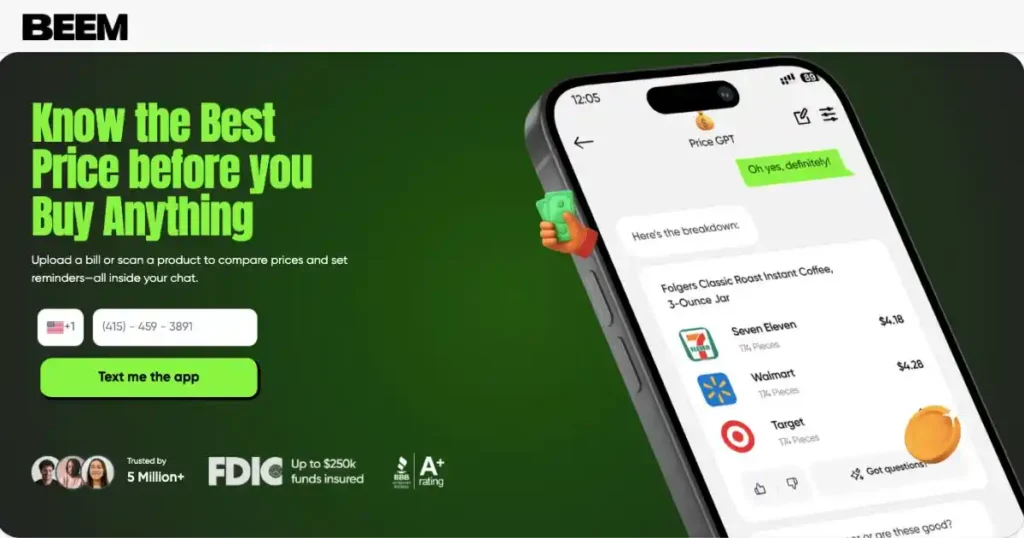
PriceGPT helps you compare prices across brands, retailers, and platforms before you buy. You can quickly see the most cost-effective option, whether you’re purchasing groceries, electronics, household goods, or lifestyle items.
2. DealsGPT for Savings and Discounts
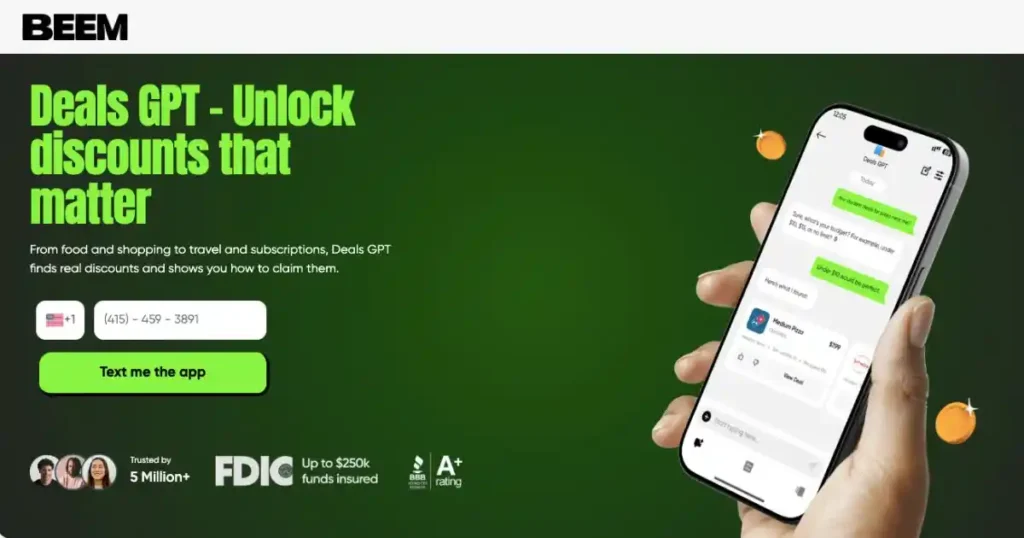
DealsGPT automatically identifies relevant coupons, seasonal deals, discounts, and cashback rewards. This ensures you’re not leaving money on the table during checkout.
3. Smart Wallet for Spending Insights
Smart Wallet analyzes your transactions and highlights patterns such as:
- Recurring expenses
- Overlapping subscriptions
- Category overspending
- Bills trending upward
- Potential savings opportunities
It acts as a personal financial analyst that stays updated with your real-time spending behavior.
4. Cash Flow Predictions
Beem’s system predicts how upcoming purchases will affect your short-term and long-term budget, helping you avoid scenarios where overspending leads to shortages later in the month.
5. AI-Powered Financial Nudges
These nudges guide you away from impulsive or unnecessary spending by showing alternatives, forecasting your remaining budget, or reminding you of upcoming bills.
Benefits of Using Purchase Intelligence for Everyday Life
When used consistently, purchase intelligence transforms the way you manage money. Here are the biggest advantages:
1. Helps you avoid overpaying
By comparing prices and highlighting cheaper alternatives, it saves you money almost every time you shop.
2. Protects your monthly cash flow
You get real-time warnings when a purchase may strain your budget or affect upcoming bills.
3. Reduces impulse buying
Seeing the long-term impact or price comparisons can make you rethink a hasty purchase.
4. Tracks subscriptions and hidden fees
No more surprise charges or forgotten renewals.
5. Makes financial planning easier
You get a clearer picture of where your money is going.
6. Increases your financial confidence
You make decisions based on data, not guesswork.
7. Saves time
Instead of manually comparing prices or researching deals, the system handles everything for you.
Types of Purchase Intelligence Tools You’ll Find in Modern Apps
Purchase intelligence is a broad capability, but most apps use a combination of these specific functions:
1. Price comparison engines
These determine the best price among multiple sellers in real time.
2. Spending analyzers
They categorize payments, identify patterns, and highlight trends.
3. Subscription trackers
These monitor recurring charges and help you cancel unused services.
4. Coupon and discount finders
They integrate with e-commerce checkout flows to maximize savings.
5. Predictive financial models
These forecast your future cash flow and spending habits.
6. Financial health indicators
They summarize your financial behavior into clear metrics.
7. Personalized recommendations
AI suggests smarter choices or alternatives based on your behavior.
How Purchase Intelligence Helps You Avoid Common Money Mistakes
Many spending mistakes aren’t intentional—they happen because we don’t have information at the right moment. Purchase intelligence solves this by providing timely insights.
Mistake 1: Purchasing based on emotion
AI insights introduce logic into emotional decisions.
Mistake 2: Forgetting about upcoming bills
Cash flow predictions show how spending will affect your next due date.
Mistake 3: Overestimating affordability
Purchase intelligence provides reality checks based on your actual income and obligations.
Mistake 4: Falling for marketing tactics
Data-driven comparisons help you see through promotional noise.
Mistake 5: Ignoring long-term financial goals
Smart suggestions keep your goals in mind, even during impulse moments.
The Future of Purchase Intelligence
The next generation of purchase intelligence will continue advancing in several ways:
Hyper-personalization
Insights will become even more tailored to individual behavior.
Predictive shopping
Apps may soon predict what you’ll need before you shop and recommend the best time and place to buy.
Deeper integration with digital wallets
Cash flow forecasts and spending alerts may appear directly within checkout wallets.
Voice-enabled insights
AI assistants will soon verbally guide purchases in real time.
Stronger fraud detection
Unusual spending patterns will be flagged immediately, reducing financial risk.
Better cross-platform analysis
Apps will connect data from different financial accounts for a holistic view. Purchase intelligence is moving toward becoming a built-in part of everyday financial life.
Common Questions Asked About Purchase Intelligence
What exactly does purchase intelligence do?
Purchase intelligence analyzes your spending, compares prices, identifies savings opportunities, tracks subscriptions, and offers real-time guidance to help you make smart buying decisions.
Is purchase intelligence the same as budgeting?
Not quite. Budgeting is manual planning. Purchase intelligence is automated, predictive, and proactive. It helps you make smarter choices at the moment of purchase.
Does purchase intelligence save money?
Yes. It helps reduce overspending, find deals, catch hidden fees, and compare prices.
Is purchase intelligence safe to use?
Reputable apps like Beem encrypt data, follow financial privacy guidelines, and provide secure access to spending insights.
Which apps offer purchase intelligence?
Many modern financial apps incorporate aspects of purchase intelligence. However, Beem’s ecosystem—PriceGPT, DealsGPT, Smart Wallet, and AI budgeting tools that offers one of the more complete implementations.
Do I have to link my bank account for purchase intelligence to work?
Most tools require access to your transactions so they can recognize patterns and give accurate insights. You can usually unlink accounts anytime.
Can it help with long-term money management?
Absolutely. Beyond short-term spending decisions, purchase intelligence improves budgeting, savings planning, and financial confidence.