

Table of Contents
Deal alerts can be a great way to save money. However, they often become overwhelming. Notifications stack up, many seem irrelevant, and the helpful ones get lost. What should help save money can make decisions harder.
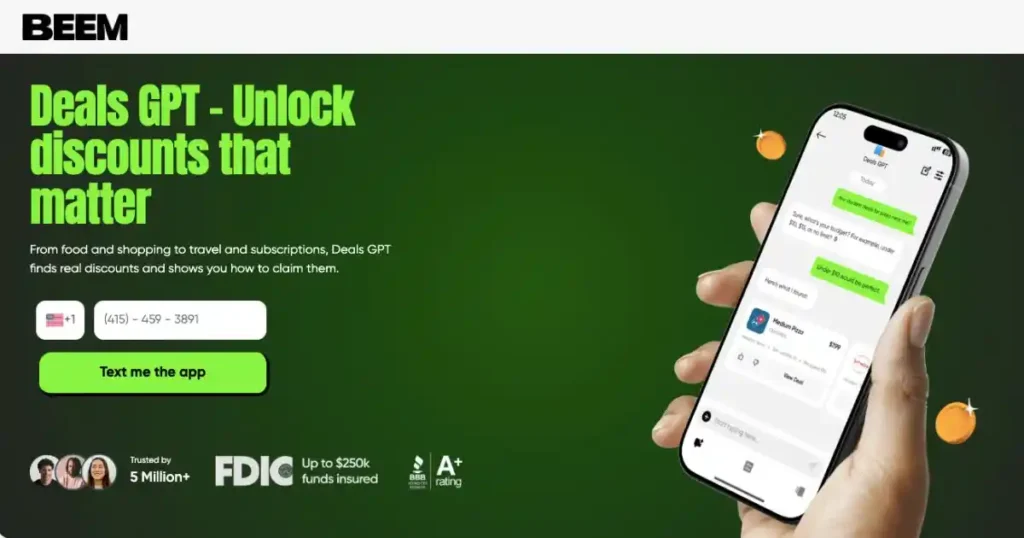
Beem DealsGPT takes a smarter approach. It shows deals that fit real spending habits. Instead of bombarding you with alerts, it highlights what truly matters. This turns chaotic notifications into clear, useful information at the right time.
A good deal of radar works without daily effort. It runs in the background and assists you in making better decisions when required. This guide shall demonstrate to you how to develop a system that remains simple, relevant, and effective.
Why Most Deal Alerts Fail (And Waste Your Time)
Deal alerts are supposed to offer savings; however, they usually confuse. Too many notifications can lower your focus and reduce the chance of acting on good deals. This is where the problem starts.
The Problem With Generic Notifications
Generic alerts show deals that don’t match your needs. Over time, irrelevant offers cause fatigue. This makes it harder to notice the deals that truly matter.
Notification Overload and Decision Fatigue
When there are too many alerts, most get ignored. Constant notifications slow decision-making, and valuable chances slip away due to a lack of focus.
Why More Alerts Don’t Mean More Savings
More alerts don’t guarantee better results. When the number of alerts rises without relevance, important deals get lost in the noise. This reduces the effectiveness of the alert system.
What a “Personal Deal Radar” Actually Means
A personal deal radar is a focused tool that tracks relevant deals based on your spending habits. It filters out the noise and sends alerts when it matters most. Here’s how it works.
Moving From Random Deals to Intent-Based Alerts
Instead of showing all available offers, the deal radar highlights what you already buy. Alerts focus on your intent, not just what you browse. This way, savings show up when they’re useful.
The Difference Between Passive and Active Saving
Passive saving sends alerts in the background, while active saving needs constant searching. Automation cuts down effort and ensures you catch deals without always checking manually.
Core Principles of a High-Quality Deal System
A good deal system follows simple principles that keep them effective. Here’s what makes it reliable:
- Relevance: Alerts must match your real spending habits. This way, only useful deals show up, avoiding distractions.
- Timing: Deals should pop up at the right moment, especially before a purchase. This helps you make better choices and grab savings.
- Accuracy: Data must be the real prices and valid offers. This will make sure that you make decisions based on the right up-to-date information.
These principles keep a deal radar simple and effective.
Read: Best Restaurant Discounts and Food Deals
Step-by-Step: Build Your Personal Deal Radar
Creating a useful deal system needs simple steps. Each step cuts noise and boosts savings. Here’s how to build it.
Step 1: Identify Your Top Spending Categories
List where you spend the most money, like groceries, food delivery, subscriptions, travel, and regular shopping. Focusing on these areas keeps alerts relevant and helps cut costs where it counts.
Step 2: Set Category-Based Alerts (Not Everything Alerts)
Don’t track every deal available. Limit alerts to selected categories to keep notifications meaningful. This prevents overload and makes it easier to notice savings that fit your actual needs.
Step 3: Use Price Tracking Instead of Constant Checking
Track specific products to avoid checking prices all the time. You will receive notifications only when prices are decreased to make better decisions, so you do not need to search and compare prices every day.
Step 4: Enable Smart Coupon and Cashback Alerts
Get alerts just before checking out to make sure that the savings are made at the opportune time. This takes live opportunities without disruption of your purchasing procedure or additional steps.
Step 5: Centralize Alerts Into One System
Make sure that all the alerts are in the same place so as to avoid confusion. Using a single platform will not require alternating between applications and will simplify the deal management throughout.
Beem supports this by connecting DealsGPT for relevant deals, PriceGPT for price tracking, and AI Wallet for clear spending pattern insights.
How to Filter Out Spam and Keep Only High-Value Alerts
Too many alerts can turn even good deals easy to ignore. A clear filter not only cuts off noise but also lets you concentrate on important matters. Here’s how to refine alerts effectively.
Set Alert Thresholds That Matter
Set minimum discount levels or savings amounts. This way, only serious deals come up. It eliminates low-value offers that would overcrowd your notifications and allows you to concentrate on deals that can save you money.
Control Frequency and Timing of Notifications
Decide how often alerts arrive to cut down on interruptions. Deals that are urgent can be done via real-time alerts, whereas daily or weekly summaries put everything in order without disturbances at all times.
Unsubscribe From Low-Value Sources
Remove unnecessary email subscriptions and push notifications. Fewer irrelevant alerts make it easier to spot and act on important deals.
Prioritize “Pre-Purchase” Alerts Over Random Deals
Pop-up alerts before a purchase are more helpful than random notifications. They provide applicable savings at the appropriate moment, enhancing your decision-making and the likelihood of utilizing the deal.
Real-Life Examples of a Smart Deal Radar in Action
A deal radar is easier to grasp with real examples. It functions quietly but reveals its value when needed. Here’s how it aids everyday spending.
Grocery and Essentials Spending
A shopper decides in advance on the weekly shopping and receives a notification when the prices of such goods as milk or rice are lowered. Coupons are automatic, and cashback is deducted from the total bill without altering the shopping list.
Online Shopping Scenario
A product on the wishlist goes down in price after several days. A coupon is automatically applied at checkout. The purchase is made at a lower cost without extra searching.
Subscription and Recurring Payments
An alert shows before a subscription renewal with the available options and the cost. This provides time to cancel, change plans, or get a better offer before they pay.
These examples highlight how a deal radar aids decisions without added effort. It captures savings at the right moment and keeps spending in check.
Common Mistakes That Break Your Deal System
A deal system works best when it’s simple and focused. Small mistakes can chip away at its value and make alerts less helpful. Here are some common errors:
Tracking Too Many Categories
Tracking too many categories leads to constant notifications that are hard to manage. When everything is tracked, nothing feels important. This can cause alert fatigue and lower the chances of acting on good deals.
Relying Only on Email Deals
Alerts on email are usually sent late or lost amongst numerous messages. This may cause lost opportunities, particularly in fast deals, which require a fast response to save money.
Ignoring Timing and Urgency Signals
Timing can reduce a deal value; either being too early or too late. Missing the appropriate time may result in higher costs or loss of superior deals.
Not Reviewing or Optimizing Alerts Over Time
Without updating the system, it will be ineffective. There should be modifications in spending habits or priorities. Otherwise, alerts may not reflect your current needs.
Avoiding these mistakes keeps your system clear and effective. A focused, updated approach ensures alerts stay relevant and support better financial choices.
How a Personal Deal Radar Improves Your Financial Life
Saving money is easier when you are equipped with the right information at the right time. An organized method reduces effort and enhances consistency. Here’s how it can enhance your financial life:
Saving Without Daily Effort
A deal radar works quietly in the background. It alerts you only when it matters, like when grocery prices drop. This reduces the need to constantly check offers and keeps saving simple.
Better Spending Decisions When It Counts
Rather than making purchases at random sales, alerts notify you when prices are literally reduced. This enables you not to make rash judgments, and makes the money you use well spent.
Reducing Financial Loss from Missed Deals
Small savings missed over time can really add up. A deal radar catches these chances consistently. It makes sure you always get a discount, cashback, or a better time to make your regular purchases without the extra effort.
Beem streamlines this process by turning scattered savings into a clear system. It aims at providing the relevant deals at the moment you need, they help to reduce unnecessary expenditures and fill financial voids.
Conclusion: Build a System That Saves Without Stress
More alerts do not mean better savings. What matters is getting the right alert at the right time. A focused approach makes decisions easier and more effective.
Beem DealsGPT supports this by showing relevant deals when they actually matter. It helps reduce noise and keeps attention on savings that truly make a difference.
Beem helps make this process easier with tools like DealsGPT. Download the Beem app and start building a smarter way to save today.
FAQs
What is a personal deal radar?
A personal deal radar tracks deals based on your spending habits. It sends alerts at the right time and avoids unnecessary notifications.
How do I stop getting spammy deal notifications?
To minimize spam, only certain categories of alerts should be allowed. Establish minimum savings levels and unsubscribe from irrelevant sources. This keeps notifications useful and manageable.
Are deal alert apps worth using?
Yes, deal alert apps are valuable. They provide useful alerts, reducing effort and work quietly in the background.
How can I automate finding the best deals?
Use tools that track prices and apply coupons automatically. These tools send alerts only for meaningful savings, making deal-finding easier.
How often should I check deal alerts?
You don’t need to check alerts often. A good system sends notifications only when action is needed, so you can decide at the right time.