

Table of Contents
In today’s world of constant discounts, flash sales, and “limited-time offers,” it’s easy to assume you’re getting a good deal. But the truth is—most people don’t actually know if they’re saving money or just being nudged to buy.
A product labeled “20% off” might still be overpriced. A “deal of the day” could be more expensive than the same item elsewhere. And dynamic pricing means the cost of products can change based on demand, timing, or even browsing behavior.
The challenge isn’t finding deals—it’s knowing which ones are real.
Traditional shopping habits rely on instinct or convenience. If the price feels reasonable, we buy. But without comparison or historical context, it’s difficult to tell whether you’re truly saving money.
That’s where AI-powered tools change the equation.
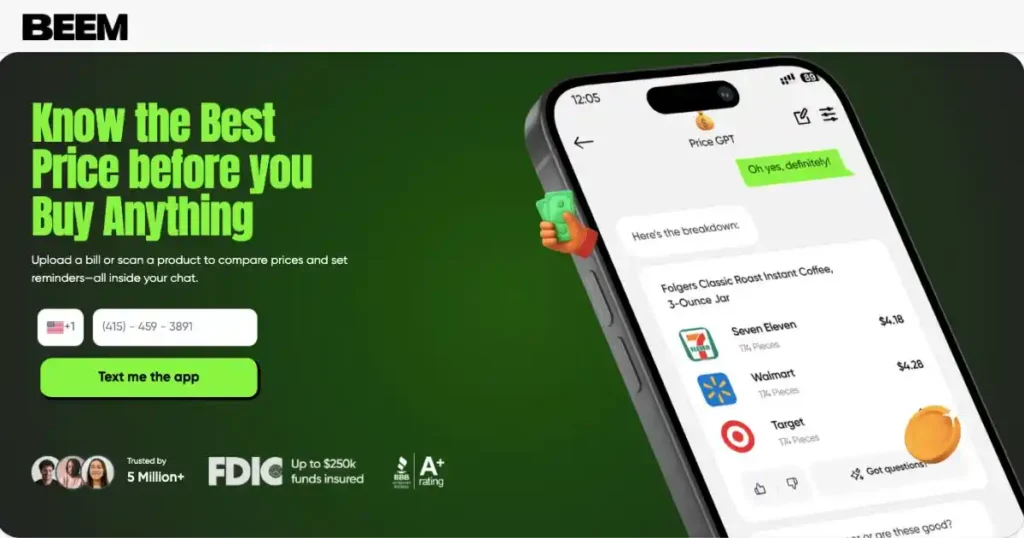
With PriceGPT from Beem, users can instantly compare prices across platforms and evaluate whether a product is genuinely a good deal. Instead of relying on marketing labels, you get data-driven insights before making a purchase.
Combined with BudgetGPT for tracking spending, JobsGPT for increasing income, and DealsGPT for uncovering additional discounts, Beem helps you make smarter financial decisions at every step.
Why Many “Deals” Are Not Real Savings?
Many discounts look good, but they do not always mean you save money. Businesses use discounts to get your attention and make you buy quickly. The idea of saving money feels strong, but not all perceived savings are equal to real value. Understanding how these tactics work allows shoppers to zero in on real value rather than the thrill of the discount.
The Psychology of Discounts
Discount messages often shape how people see prices and decide to buy. Several common techniques make deals look better than they are.
- Percentage Off Illusions: Big percentage labels make savings seem large when the final price difference is small.
- Limited Time Urgency: Short deadlines make you want to act quickly, and pretty soon, you don’t have the time to check prices carefully.
- Anchoring with Inflated Prices: To make the discounted size [or] price seem more worthwhile, show a higher original one first.
Read: Why You’re Paying More Than You Think for Everyday Purchases?
What Actually Makes a Price a Good Deal?
A price can look exciting, but real value is knowing what you’re getting. Looking beyond the tag can reveal whether the deal supports your long-term finances. Here are our major considerations.
The Difference Between Cheap and Valuable
A cheap item can look good at checkout. However, when it malfunctions too soon or requires a replacement in the near future, the expenses may accumulate. Quality and durability are key factors in determining whether a price is fair. Often, great deals come with lower quality.
The Role of Your Actual Needs
An unused item is rarely a good deal. Even a big discount doesn’t create value if it’s never used. Being intentional about your purchases can help. When you buy what you truly need by acting on impulses, your spending feels more worthwhile. This change alters the lens through which you are evaluating deals.
Read: How PriceGPT Compares Everyday Prices So You Stop Overpaying Without Thinking About It
The 5-Step Method to Check If a Price Is a Good Deal
A price might look good, but true value only shows up with careful evaluation. This easy method helps you avoid overspending and find real savings. Here are a few basic steps to help in making your choices.
Step 1: Compare Prices at Different Stores
Compare prices across at least two or three sites. This exercise exposes the commercial worth of a product. It will help you avoid depending on a single shop and prevent excessive charges.
Step 2: Check Price History
The sales seasons cause price changes. By checking the old prices, you will be able to tell whether there is a discount or if it is a one-time price adjustment to appear attractive.
Step 3: Calculate Cost Per Use
Consider the frequency of the item usage. Appliances, shoes, or subscriptions may be expensive to buy but may prove inexpensive in the long run.
Step 4: Watch for Hidden Fees
Additional expenses, such as shipping, service charges, taxes, or options, can increase the final price. Always ask for the overall price to see whether the deal is worth it.
Step 5: Reflect on Full Price
Would you still purchase it at the full price? It helps you avoid spending money on things you buy on impulse and stay focused on what is valuable.
Common Situations Where Deals Are Misleading
Many discounts look great at first, but don’t always save money. Some offers aim to boost spending rather than offer real value. Here are common situations where deals seem better than they are.
Buy One Get One Offers
Buy One Get One offers often tempt shoppers to buy more. You spend more because you must buy two items instead of one. These offers only help if you really need both items.
Clearance and Flash Sales
Clearance and flash sales create urgency, leading to quick decisions. Limited-time offers often trigger impulse buys. These deals are worth it only if the item is useful and the price is genuinely lower.
Subscription Discounts
Subscription discounts often start with a low price that later rises. Short-term savings can hide higher long-term costs. Checking the full payment cycle helps you see if the subscription saves money.
Also read: Stop Paying the “Lazy Tax”: How DealsGPT & PriceGPT Automate Savings
Tools That Help You Spot Real Deals
The right tools can help you get great deals. Many websites help with price comparisons, tracking discounts, and managing spending. Here are some tools to shop smarter.
Price Comparison Tools
Shopping customers can easily compare prices for the same item across several sites using price comparison tools. They assist in determining the lowest price and in not paying more for the same goods.
Price Alerts and Deal Notifications
Price alerts let you monitor the items you want. You get an alert when the price decreases. And instead of paying more for the same items, you can purchase them at the optimal time.
Smart Financial Apps That Track Spending
Smart financial apps keep you in the loop on your spending while you hunt for deals. These tools monitor your transactions, expose your spending habits, and show you discounts. Here are some key features.
Real-time transaction tracking
Beem PriceGPT monitors your daily shopping and compares prices across stores. This allows you to verify that a price is reasonable and find better deals.
Budget insights and spending alerts
Beem BudgetGPT gives you a clear picture of your monthly expenditure. It identifies abnormal costs and sends alerts, so you can work within your budget.
Deal discovery tools in one place
Beem DealsGPT aggregates verified discounts, cashback deals, and discounts in a single view. This makes it easier to find deals without having to check several sites.
Check this out: How PriceGPT Integrates with DealsGPT for Maximum Savings?
Signs You Are Chasing Deals Instead of Saving Money
Discounts may be amusing, but they do not necessarily imply that you save. Looking into deals can sometimes make you spend more than you can afford. Here are some of the indicators to monitor.
Buying things just because they are on sale
A sale can make an object appear more valuable than it is. If you purchase something because it’s on sale, you may be succumbing to excitement instead of actual need.
Owning unused or duplicate items
Purchasing extras can create clutter. When you buy deals simply because they’re a good deal, closets and shelves become full of things that were purchased on a whim but not actually used.
Spending more during sales than in regular months
Big sales may make you spend more than you can afford. When your monthly expenditure rises during such sales, these discounts could be driving unnecessary purchases rather than actual savings.
How to Build Smarter Deal-Checking Habits?
Building better deal-checking habits needs consistency and smart choices. Here’s how to develop smarter habits:
Create a “Wait Before You Buy” Rule
Waiting before buying gives you time to make better judgments. If the item isn’t really essential, a 24- or 48-hour wait is enough to show you that.
Keep a List of Things You Actually Need
Having a list of what you require will enable you to shop only for what you require. This avoids distractions from random deals and lets you spend as intended, rather than being enticed by certain sales.
Set a Monthly Spending Limit for Deals
Having a distinct monthly cap on your deal purchases is an excellent way to prevent overspending. This approach makes it easy to enjoy your savings and discounts without compromising your savings goals or covering essential bills.
Read: How AI Helps You Simulate “What If” Scenarios Before Making Big Money Decisions
Why Knowing a Real Deal Matters for Your Budget?
Knowing whether a price is truly a good deal will help with everyday spending and financial strategies. So many offers look good at first, but after a careful comparison, the real value appears. Here are some reasons this matters.
More Control Over Everyday Spending
Spotting real deals leads to smarter purchase decisions. Comparing prices and checking value keeps spending organized and predictable. This helps maintain balance in daily expenses.
Less Buyer’s Remorse
Confidence in the true value of the purchase ahead of time reduces regret. So far, checking those deals carefully has helped avoid unnecessary purchases. It directs funds to truly meaningful items.
Faster Progress Toward Savings Goals
Focusing on genuine deals leaves more money for savings. Such minor steps provide purpose to incremental steps toward financial objectives.
This may interest you: How AI Can Help You Decide Between Saving, Paying Debt, or Spending Today
Conclusion
A “good deal” isn’t defined by a discount tag—it’s defined by value, timing, and comparison.
Without visibility into pricing across platforms or over time, it’s easy to overpay without realizing it. Small overpayments across everyday purchases can quietly add up, impacting your overall financial health.
The smartest shoppers don’t rely on guesswork—they rely on data.
With PriceGPT from Beem, you can instantly validate whether a price is worth it before you buy. Instead of reacting to marketing tactics, you make informed decisions based on real comparisons.
When combined with BudgetGPT for planning, JobsGPT for boosting income, and DealsGPT for finding additional savings, you create a complete system for smarter spending.
The result?
Less guesswork, fewer regrets, and more control over your money.
Download the Beem app today from the Apple App Store or the Google Play Store and start making smarter buying decisions every time you shop.
FAQs
1. How can I tell if a discount is real or fake?
You can check the price on sites before buying. If the “discounted” price is the same everywhere, it might not be a real deal. Tools like PriceGPT by Beem can help verify your savings.
2. Is buying something on sale always a good deal?
Not always. A sale might be alluring, but it’s a good deal only if you want the item and the price is lower than normal. Otherwise, it may promote wasteful purchases.
3. What is the best way to compare prices quickly?
You can use a tool that checks prices in stores at once. PriceGPT by Beem shows where the same product costs less, so you don’t have to search everywhere.
4. How do hidden fees affect whether a deal is worth it?
Hidden fees can raise the final price. Extra fees can be charged, such as shipping costs or increased tax. A deal may appear cheap, but the overall price may turn out to be far more than expected.
5. Are subscription discounts usually worth it in the long run?
They can be useful if you use the service regularly. But many people forget about infrequently used subscriptions. Checking in with them regularly helps make sure you’re still saving.