

Table of Contents
A price drop can feel like the perfect moment to buy—until you realize it might not be as real as it looks. Many online deals highlight “discounts” that seem significant, but without context, it’s hard to know if you’re actually saving money or just reacting to clever pricing tactics. From inflated original prices to limited-time offers that reset frequently, fake or misleading price drops are more common than most shoppers realize.
The root of the problem is visibility. Online prices are constantly adjusted based on demand, competition, and algorithms designed to drive conversions. What looks like a sudden drop might simply be a return to the product’s regular price—or worse, a temporary increase followed by a “discount” to create urgency. For shoppers, distinguishing between a genuine deal and a manipulated one becomes nearly impossible without the right tools.
That’s where AI-powered solutions are making a difference. Platforms like Beem bring clarity into the equation. With PriceGPT, you can analyze price history and determine whether a drop is truly meaningful. BudgetGPT keeps your spending aligned with your goals, while JobsGPT helps you strengthen your earning potential. Add DealsGPT, and you can find real savings without second-guessing.
In this blog, we’ll break down How to Tell If a Price Drop Is Real or Fake—so you can shop smarter and avoid being misled.
Why Some Price Drops Are Misleading?
Price drops can seem convincing. They create a sense of instant savings. Retailers often use discounts as quick marketing tools. A large percentage off can shape how we see the price, even if it’s close to the usual value. During busy sales, the difference between perceived savings and actual reductions often goes unnoticed.
The Illusion of Big Discounts
Some discounts look impressive because they focus on comparisons rather than the real price change. This is where big discounts can mislead.
- Inflated Original Prices: Retailers may show an original price that is rarely used. This makes the current price seem significantly lower.
- Temporary Price Increases Before Sales: Sometimes, prices rise briefly before a sale. This makes the later “discount” appear larger than it really is.
Recognizing these patterns helps shoppers view discounts more carefully.
Read: How AI Helps You Simulate “What If” Scenarios Before Making Big Money Decisions
How Retailers Create Fake Price Drops?
Retail pricing strategies shape how shoppers see discounts. A price drop may seem big, even if the savings are small. Retailers use various techniques to influence how people see a sale. Here are some common methods.
Raising Prices Before a Sale
There are retailers who increase product prices temporarily before a promotion. The price returns to the level when the sale begins. This creates the perception of a discount.
Showing Unrealistic Original Prices
Retailers may indicate a price alongside the sale price. This causes the discount to appear bigger when the product is not sold at that rate very often.
Flash Sales That Are Not Real Discounts
Flash sales often feature limited-time labels. The product price might return to the level each time, creating urgency without offering a truly lower price.
Check this out: AI Insights for Gig Workers Balancing Multiple Income Streams and Irregular Checks
Signs a Price Drop May Be Fake
Not all discounts translate to savings, even where they appear nice. When a drop in price is not real, there are certain patterns that can indicate the same. Here are a few signs to spot misleading discounts.
The Item Is Always “On Sale”
When there is a constant sale of a product, it may lack a normal price. Discounts are usually a reflection of the price due to constant sale tags.
The Discount Seems Too Large
Big percentage drops on everyday items can suggest inflated original prices. A large number grabs attention, even if the final price is close to the market average.
The Final Price Matches the Usual Market Price
A price drop might look generous. The end price may be the same as that of other retail outlets. The discount in this case represents actual savings.
This may interest you: How AI Can Help You Decide Between Saving, Paying Debt, or Spending Today
How to Check If a Price Drop Is Genuine?
With some simple checks, it is easier to recognize a real discount. Going behind the sale label can reveal the true story of whether the price has really reduced or if it only appears to be reduced. Here are the steps to confirm a discount.
Look at the Price History
Price history will help to check the change in price of the product over time. Tracing previous prices in weeks or months would make it clear whether the present discount is real or not.
Compare Prices Across Multiple Stores
Comparison with the same product in various stores can help. When the prices of the retailers are similar a couple of times, it becomes simpler to determine whether the discount is genuine.
Calculate the Total Cost
The price on the list does not necessarily reflect the cost. The cost may be topped with shipping costs, taxes, and other miscellaneous expenses, reducing the value of the discount.
Evaluate the Product’s Real Value
Even a lower price should consider the quality and utility. Look at durability, performance, and long-term worth to find out whether the purchase is worth it.
Common Situations Where Fake Discounts Appear
Big sales and promotions are known to feature fake discounts. These periods enable retailers to seize the moment and increase purchases. Knowing when these situations happen helps shoppers think twice about deals. Here are common scenarios where misleading discounts show up.
Holiday Sales and Major Shopping Events
Price drops can be frequently seen during holiday sales, such as Black Friday. Most of the deals are genuine, but others are based on exaggerated amounts at the time of sale or a reduction that is temporary.
Flash Sales and Limited-Time Offers
Flash sales include urgency messages and countdown timers. Such strategies push customers to make a decision, and it becomes difficult to compare prices across shops.
Subscription Introductory Prices
Some services offer low introductory rates that rise after a short time. The initial discount seems great, but the long-term price can be much higher.
Check this out: How PriceGPT Integrates with DealsGPT for Maximum Savings?
Tools That Help You Spot Real Price Drops
It is not difficult to find real discounts with the help of useful programs. Here are some useful tools for recognizing price drops.
Price Tracking Tools
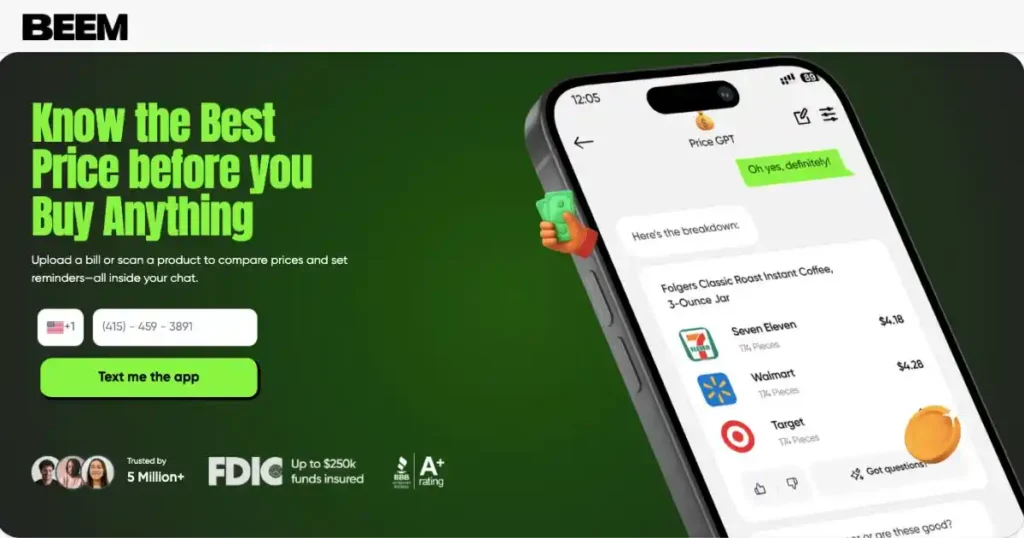
Price monitoring tools like PriceGPT monitor the changing price of a product on an online store. Shoppers can know whether a discount is genuine by looking at the trends.
Price Comparison Platforms
Price comparison platforms show the product at different retailers. Checking these listings reveals the market price. This helps confirm whether a discount is genuine.
Deal Discovery and Budgeting Apps
Some tools mix price tracking with insights to aid in better purchasing decisions.
Real-time deal alerts
Notifications are sent when real discounts have been spotted. This assists the shoppers in locating significant offers without continually browsing through various shops.
Spending insights and tracking
Spending insights organize purchases into categories. This helps users understand their shopping habits and stay financially aware.
Price comparison features
These features let users compare offers from retailers. This helps reveal whether a discount truly reflects market prices.
Smart Habits to Avoid Fake Price Drops
The simple shopping habits are the first step toward avoiding misleading discounts. Considerate thinking gets the shoppers to concentrate on value rather than flash sales. These are feasible habits for improved purchasing.
Shop With a Needs-Based List
A need list holds a shopper to the necessities. The habit reduces impulse spending and encourages wise expenditure.
Set a Target Price Before Buying
Setting a target price helps shoppers know what feels reasonable before checking discounts. This keeps emotions in check. Supports clearer decisions.
Use a Waiting Period for Non-Essential Items
By taking twenty-four to forty-eight hours to wait before purchasing necessities, one can reflect. This break usually reduces expenditure and forms space in which prices are compared.
Also read: Stop Paying the “Lazy Tax”: How DealsGPT & PriceGPT Automate Savings
Why Spotting Real Discounts Matters for Your Budget?
Understanding the real bargains always works to regulate your expenditure pattern. Wise purchases generate additional space to save as well as enhance your financial stability in the long term. Here are a few reasons why recognizing discounts is important.
Prevents Overspending During Sales
Sales events often push purchases since discounts seem temporary. Noticing the price reductions will help you avoid purchasing something you do not need simply because it will appear cheaper.
Helps You Buy Only When Prices Are Truly Low
Evaluating prices carefully helps you see when they really fall below the usual market rate. This way, you make purchases that truly offer value.
Improves Long-Term Financial Stability
Being able to see real deals will always help you manage your spending. Economical purchasing choices open up more space to save and get a better share of finances in the long run.
Conclusion
Not all price drops are created equal—and as we’ve explored in How to Tell If a Price Drop Is Real or Fake, the difference often comes down to context. Without understanding price history or the tactics behind discounts, it’s easy to mistake a marketing strategy for a real opportunity to save. The goal isn’t to avoid deals—it’s to recognize which ones actually deliver value.
This is where smarter tools make all the difference. With PriceGPT, you can quickly verify whether a price drop reflects genuine savings or just clever positioning. BudgetGPT helps you stay disciplined, ensuring you only act on deals that fit your financial plan. JobsGPT gives you ways to grow your income, so your decisions aren’t driven by short-term discounts alone. And with DealsGPT, you can uncover real, reliable savings without falling for misleading offers.
Together, these tools—powered by Beem—help you make better decisions, stay in control, and shop with confidence in real life.
Ready to stop second-guessing price drops and start spotting real deals instantly? Download the Beem app today on the Apple App Store or the Google Play Store and take control of every purchase you make.
FAQs
1. How can I tell if a price drop is real?
The actual decrease in price is clear when you check prices in stores or in price history. When a lot of retailers display discounts, the offer can be considered real.
2. Do stores raise prices before putting items on sale?
Yes, some stores raise prices right before a sale. When the sale starts, the price drops to normal levels. This makes the discount seem larger than it really is.
3. What is the best way to check price history?
Price tracking tools are the easiest to use. These demonstrate the evolution of the price of a product with time, and shoppers can have a look at whether the present offer is worth it.
4. Are big percentage discounts usually fake?
Big percentage discounts may not be fake, but not necessarily. In some cases, the initial price is increased, and the discount may appear larger than the savings.
5. What tools help me find real price drops?
Price tracking platforms, comparison websites, and tools like Beem PriceGPT help shoppers check prices, track changes, and spot real discounts confidently.