

Table of Contents
One of the biggest challenges in shopping today isn’t just finding a good price — it’s knowing when to buy.
Prices change constantly. Retailers adjust costs based on demand, inventory levels, competition, browsing behavior, and even time of day. That laptop you viewed yesterday might cost more today. That appliance you’re considering could drop in price next week. Without visibility into these shifts, shoppers are left guessing: Buy now or wait?
This is where PriceGPT transforms the decision-making process. Instead of relying on instinct or endless manual checking, PriceGPT uses real-time price monitoring to alert you when:
- Prices drop below recent averages
- A product is likely at a temporary high
- Seasonal demand is inflating costs
- A better-priced alternative becomes available
Rather than reacting emotionally to flash sales or artificial urgency, users get practical “buy now” or “wait” insights based on live data. When combined with DealsGPT for additional promotions and BudgetGPT to assess affordability within your monthly plan, you gain a complete, intelligent buying framework.
In this blog, we’ll explore how real-time price alerts in PriceGPT help you time purchases strategically — so you stop overpaying and start shopping with confidence.
Why Timing Matters More Than Finding the Lowest Price?
Price comparison has become easier over the years, but hesitation has not been eliminated. The reason is simple. Even after finding a reasonable price, the timing question remains unresolved.
Prices don’t just stay the same. They change based on demand and buyer behavior. A product might rise in price during periods of high interest and drop later. Without understanding timing, even a good deal can seem risky.
The aim isn’t to predict the future perfectly. It’s to reduce uncertainty when making a decision. Being aware of whether a price is at a normal level or a spot spike alters a buyer’s confidence.
Check this out: The Smart Shopper’s Guide to Finding Deals Online with DealsGPT
The Hidden Cost of Buying Too Early or Too Late
Timing errors can be insignificant, though they can affect the total expenditure. There is a risk of regret in moving either too quickly or taking too much time before making a purchase, even when it appears to be a good deal. Here are some hidden costs:
Overpaying because of false urgency
Countdown timers, low-stock warnings, and peak-demand messages create pressure that feels convincing. These signals often lead to rushed decisions before proper comparisons are made, resulting in higher prices being accepted simply to avoid missing out.
Missing Out While Waiting for a Price Drop That Never Comes
Some buyers wait too long to buy, hoping for lower prices. Prices can rise slowly, or items may sell out. This means you could pay more later or miss out completely. Waiting seems safe, but it is risky if it is just a guess.
Introducing Real-Time Price Alerts in Beem’s PriceGPT
Real-time price alerts in PriceGPT are designed as a decision-support system, not a push notification engine. Its goal isn’t to create urgency. Instead, it aims to reduce uncertainty with calm advice.
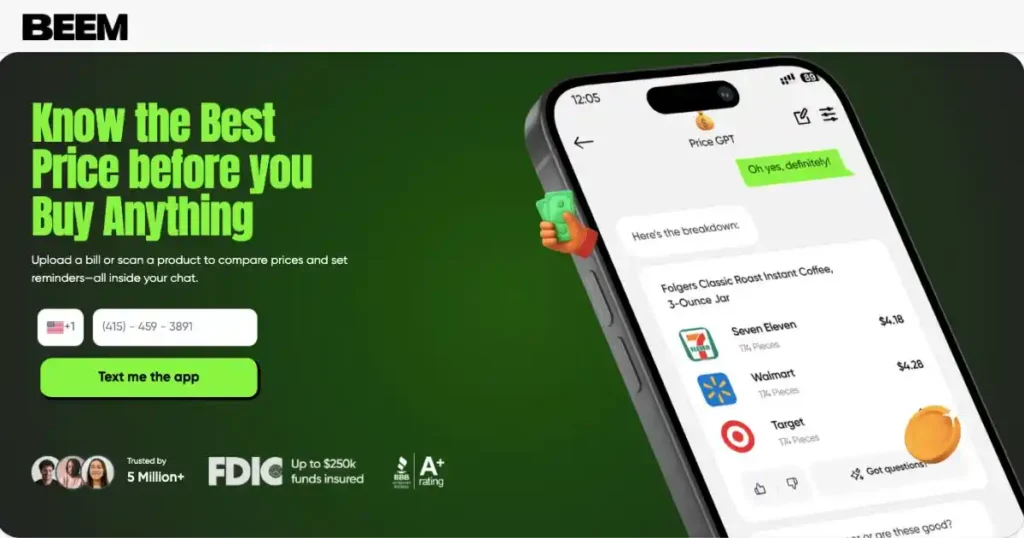
PriceGPT allows users to compare product prices across stores by scanning receipts, uploading product information, or using product links. Beyond that comparison layer, real-time alerts indicate the direction of price movement.
Instead of reacting to noise, users receive signals that reflect meaningful changes. The experience feels measured and informative, not disruptive.
Check this out: How PriceGPT Integrates with DealsGPT for Maximum Savings?
How Real-Time Price Alerts Work Inside PriceGPT?
Price alerts should be helpful, not annoying. PriceGPT tracks price trends over time, making alerts calm and useful. Here’s how it works:
Monitoring Price Movement Across Sellers and Time
PriceGPT tracks prices across multiple sellers rather than relying on a single listing. This broader view captures market behavior rather than isolated adjustments. When one seller raises prices while others remain stable, the alert logic recognizes the difference.
Understanding Normal Price Ranges vs Short-Term Spikes
Not every price drop matters. PriceGPT looks at what a product usually costs and compares that range against sudden spikes or dips, helping alerts reflect real shifts instead of temporary noise.
Detecting When a Price Drop Is Meaningful
A meaningful drop is one that changes value, not just numbers. PriceGPT checks whether a lower price breaks from recent patterns, signaling a real opportunity instead of a brief fluctuation.
Buy Now or Wait: How PriceGPT Supports the Decision
Price decisions often stall right before checkout, especially when prices feel uncertain, and pressure builds. PriceGPT keeps decisions calm and practical. Here’s how it supports:
When PriceGPT suggests buying now
PriceGPT leans toward buying when prices have stayed steady for a while, sit near familiar low points, or show signs of rising due to demand, seasonality, or limited availability approaching soon.
When Waiting Makes More Sense
Waiting is suggested when prices move up and down frequently, have recently jumped without a clear reason, or follow a pattern in which drops follow short spikes rather than staying high.
How Context Matters More Than Predictions
PriceGPT does not claim to predict the future. Instead, it uses recent patterns, price history, and timing signals to guide decisions with context, helping choices feel grounded instead of rushed.
Real-World Categories Where Timing Decisions Matter Most
Not every purchase needs perfect timing, but some categories are less forgiving. In these cases, when you decide can affect value, confidence, and long-term satisfaction.
Electronics and High-Value Purchases
Electronics often follow clear patterns based on new releases. Buying too early usually means paying more for something new. Also, timing is as important as the item itself.
Travel, Events, and Time-Sensitive Bookings
Travel prices have a habit of changing at the least expected times. A ticket that looks reasonable one day can cost more the next, yet buying too early can also mean overpaying. Timing becomes the real deciding factor, because prices react to demand more than planning.
Household and Recurring Purchases
Household items don’t usually spike in price suddenly. Instead, costs rise slowly over time. Alerts can help catch these changes early, keeping routine spending steady.
Price Alerts vs Manual Price Watching
Price tracking can be done in more than one way, and each method affects how calm or stressful buying decisions feel. Here’s how they differ:
Why Manual Tracking Creates Fatigue and Errors
Manually checking prices demands constant attention and patience. Over time, that effort leads to missed changes, rushed reactions, or emotional decisions driven by fear of missing out rather than clear timing.
How Automated Alerts Reduce Cognitive Load
Automated alerts monitor prices in the background. PriceGPT tracks price changes over time and across stores. It shares only important updates, so you can focus without constant checking.
Avoiding Notification Overload While Staying Informed
Alerts raise concerns about distraction. PriceGPT addresses this directly through relevance and control.
Alerts That Focus on Relevance, Not Frequency
PriceGPT doesn’t react to every small price change. It only triggers alerts for meaningful shifts that impact value. This way, updates are helpful rather than distracting or repetitive.
Staying in Control of When and How You Are Notified
Users maintain control at every step. You can adjust notification timing, product tracking, and alert preferences. This keeps the experience smooth and in line with personal buying habits.
Who Benefits Most From Real-Time Price Alerts
Real-time alerts don’t suit everyone equally. They help those whose purchases rely on timing, planning, and minimizing regret. Here’s who gains the most from real-time price alerts:
- Deal-Sensitive Buyers
- Planners and budget-conscious households
- Families that are responsible for recurring costs and seasonal costs.
- Professionals Making High-Stakes Purchases.
For these groups, clarity rather than urgency is the key benefit. Real-time price notifications enable customers to make the right choices and avoid operating without confidence.
Long-Term Benefits of Timing-Based Price Awareness
Timing awareness gradually changes spending habits. It leads to more balanced choices, builds confidence, and reduces hasty decisions. Here are some long-term benefits:
Reducing Regret After Purchases
Knowing when to buy reduces second-guessing. When timing feels informed, satisfaction lasts longer. Purchases feel intentional, not followed by doubt or comparison.
Building confidence in spending decisions
With price trends, confidence is enhanced. The habits become routine and diminish reliance on impulse. This relief enables one to make spending choices that do not leave one in a stressful situation.
Read: How PriceGPT Compares Everyday Prices So You Stop Overpaying Without Thinking About It
Final Thoughts: The Best Time to Buy Is When the Price Makes Sense
Smart shopping isn’t just about finding discounts — it’s about timing.
With PriceGPT, real-time price alerts remove the uncertainty from major purchases. Instead of wondering whether today’s price is fair, you receive data-driven guidance that helps you decide whether to buy immediately or wait for a better opportunity.
Add savings insights from DealsGPT and structured planning through BudgetGPT, and your purchasing decisions become proactive instead of reactive.
And if a must-have item drops to a great price before your next paycheck, Beem’s Instant Cash Advance provides short-term flexibility — helping you act on smart opportunities without relying on high-interest credit.
The best deals don’t happen by accident — they happen when you have the right information at the right time.
Download the Beem app today from the Apple App Store or the Google Play Store and let PriceGPT guide your next “buy now or wait” decision with confidence.
FAQs
Does PriceGPT predict future prices?
PriceGPT does not predict future prices. It provides guidance based on observed patterns, price ranges, and timing context to support informed decisions without guarantees.
How are PriceGPT price alerts different from standard deal alerts?
PriceGPT alerts focus on relevance and context. They highlight meaningful changes rather than promotional noise or constant discount notifications.
Can I control which products I get alerts for?
Yes. You can select specific products and notification preferences so notifications stay up to date and consistent with your personal purchases.
Are price alerts useful for everyday purchases?
Price alerts work well with regular products, as they show gradual price increases and instances when seemingly simple things suddenly go out of control.
Will alerts push me to buy more often?
No. PriceGPT alerts reduce impulse buying by replacing urgency with clarity, helping users to act thoughtfully rather than reactively.