

Table of Contents
Have you ever noticed how the same product or service can cost more depending on where you live?
From groceries and gas to rent, subscriptions, and even online purchases, prices aren’t always consistent across locations. Two people buying the exact same item can end up paying different amounts—simply because of their zip code.
This is known as regional price variance, and it’s more common than most people realize.
Businesses adjust prices based on local demand, competition, logistics, and even purchasing power. In some cases, digital platforms may also factor in location data when displaying prices. The result? You could be paying more without even knowing there’s a cheaper option available elsewhere.
The challenge isn’t just higher costs—it’s lack of visibility.
Without comparing prices across regions or platforms, it’s difficult to know whether what you’re paying is fair. That’s where a smarter, data-driven approach becomes essential.
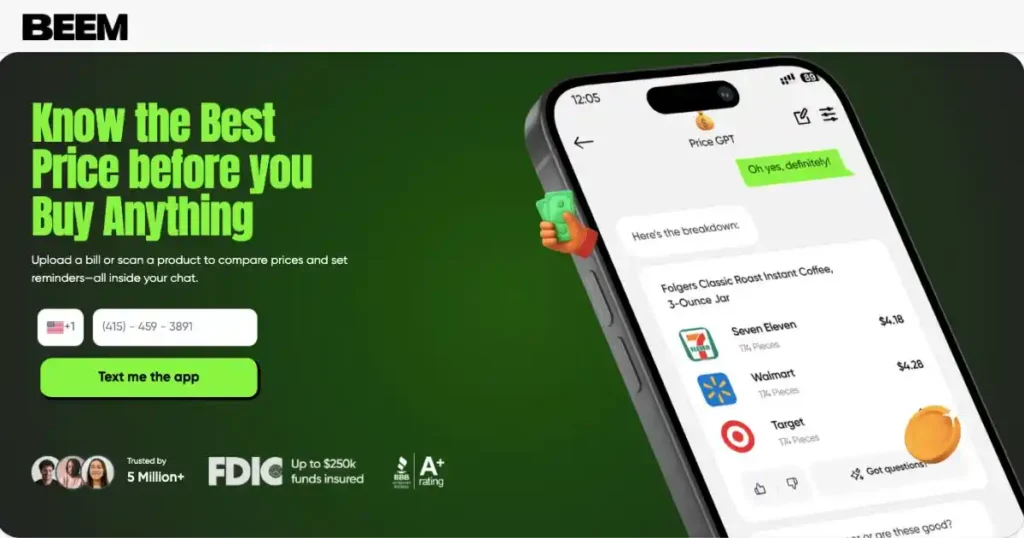
With PriceGPT from Beem, you can compare prices across sources and identify when location-based pricing might be working against you. Instead of relying on what’s shown to you, you get a broader view of what things should cost.
Combined with BudgetGPT for planning expenses, JobsGPT for increasing income opportunities, and DealsGPT for uncovering additional savings, Beem helps you take control of your spending—no matter where you live.
Why the Same Product Can Cost More in Different Areas?
Many stores might appear to have fixed prices, but the location influences the final price. Here’s how this works.
Prices Are Not Always National in Practice
Many brand identities seem consistent across regions, making pricing look uniform. In reality, the prices tend to differ between stores, regions, or delivery areas. Businesses adjust pricing depending on regional demand, operating costs, and nearby competition.
Your Zip Code Can Affect Everyday Spending
Price differences go beyond luxury items. They appear in our everyday purchases such as groceries, delivery charges, electronics, and services. Living in certain areas can quietly raise your routine expenses over time.
Read: How AI Helps You Simulate “What If” Scenarios Before Making Big Money Decisions
What Regional Price Variance Actually Means?
Regional price variance is a simple concept. It involves varying prices of the same product depending on the location. This may occur between cities, neighborhoods, or even zip codes. Here’s how it works.
It Is More Than Just Taxes
Taxes often seem like the main cause of price differences. However, the base price can vary before taxes are added. Local demand and pricing strategies influence these changes.
The Difference Can Be Small but Repeated
A small increase on one purchase may seem minor. Yet, repeated price differences for groceries, services, and essentials can add up. This gradually raises monthly and yearly spending unnoticeably.
Why Sellers Change Prices by Location?
Depending on the supportable prices, sellers tend to adjust the prices accordingly. Prices are set by local demand, costs, and even competition. Here’s why sellers adjust pricing:
Local Demand Shapes What Sellers Charge
In areas with high demand or few alternatives, prices tend to be higher. Buyers are often more willing to pay these prices. Sellers adjust their pricing based on these local patterns.
Operating Costs Vary by Region
The cost of such items as rent, wages, transportation, and supplies varies depending on the place. This has a direct impact on pricing. The increased costs are usually transferred to the customers by businesses, which results in observable differences in prices across areas.
Competition Can Push Prices Up or Down
When competition is strong, prices usually stay balanced. However, limited options allow prices to rise. The reduced options allow the sellers to have the freedom to sell at higher prices.
Knowing the reasons behind changing prices by location enables you to make better spending decisions. With tools like Beem PriceGPT, comparing prices across areas is easier, reducing the impact of location-based pricing.
This may interest you: How AI Can Turn Raw Transaction Data Into Clear, Actionable Money Advice?
Where Zip Code Pricing Shows Up Most Often?
Regional pricing affects both online and offline shopping. It often appears in subtle ways. Some categories are more sensitive to location, especially when delivery, urgency, or supply matters. Here’s where Zip code pricing shows up most:
Groceries and Daily Essentials
Food, domestic goods, and pharmacy products may vary according to neighborhood and type of store. Such price differences necessitate local comparison in controlling daily expenditure.
Delivery Apps and Convenience Services
Delivery services vary in prices, menu prices, and location-dependent charges. Although they are convenient, such services may be more expensive in some zip codes.
Electronics, Furniture, and Big-Ticket Items
Larger purchases will differ by region based on shipping expenses, stock, and local tactics. Both base prices and additional fees can differ, raising total costs in some areas.
Home and Personal Services
Local pricing is common in services such as repairs, cleaning, and personal care. The same service will have a higher price in one area, although the quality can be the same.
Check this out: How Purchase Intelligence Helps You Compare “Want” vs “Need” in Real Time
How to Spot When Your Area Is Costing You More?
Many buyers pay more because they rely on one store without comparing prices. The first step is to notice pricing patterns instead of assuming local prices are fair. Here’s how to spot them.
Compare Nearby Stores or Pickup Locations
Check prices at nearby stores or pickup points. Even quick comparisons can show clear differences. This helps you see if there’s a location-based premium.
Test Prices with Different Delivery Addresses
Depending on your delivery address, online platforms can display varying prices and fees. Testing nearby areas can reveal hidden price differences and show how costs vary by region.
Watch for Patterns, Not Just One-Time Differences
One price difference may not be significant; however, recurrent differences do. Consistent variation in prices signals that location is affecting your spending.
Being aware of this helps buyers make smarter choices over time. With Beem PriceGPT, comparing prices across areas is easier, reducing the impact of location-based pricing.
How Regional Price Gaps Increase Your Total Spending?
The real impact of regional pricing isn’t just one big purchase. It’s the small differences that add up over time. Here’s how this works.
Small Markups Add Up Fast
Paying a bit more for groceries, delivery, and essentials seems easy at first. But, over time, these small markups add up to a higher hidden cost that raises total spending.
Convenience Can Hide the Premium
Convenience often leads to quick choices without checking prices. While this feels easier, it can mask higher costs. Small premiums can quietly increase overall spending with repeated purchases.
Read: How PriceGPT Compares Everyday Prices So You Stop Overpaying Without Thinking About It
Smart Ways to Reduce Zip Code-Based Overpaying
Buyers can’t control pricing, but they can change their approach. Simple comparison habits can lessen the impact of location-based pricing. Here’s how to do it.
Compare Before You Commit
Check multiple sellers, pickup points, or delivery options. Even a quick look can reveal price differences that help you avoid overpaying.
Use Pickup, Alternate Locations, or Timing Flexibly
Cost can be reduced by changing your buying place or time. Flexibility on where and when to pick up can frequently dodge higher prices based on the specific areas.
Separate Urgent Buys From Planned Buys
Urgent purchases often limit your options and raise costs. Planned buys let you compare prices, helping you avoid unnecessary spending from location-based pricing differences.
Check this out: How PriceGPT Integrates with DealsGPT for Maximum Savings?
When Paying More Locally May Still Make Sense?
Higher local prices aren’t always a bad choice. Sometimes, paying a little extra makes sense. Value is about more than just cost. Here’s when it can be worth it.
Faster Access Can Have Real Value
Quick access is important for urgent needs. In such cases, it can be reasonable to pay a little more. Any delays could be inconveniencing or costly.
Better Service or Reliability Can Justify a Premium
Local options often provide better support, easier returns, or more reliability. These factors add value beyond price, making a higher cost worthwhile.
Common Mistakes People Make With Regional Pricing
Many buyers overpay because they think local prices are fixed. This belief often leads buyers to overlook better options. Here are some common mistakes.
Confusing Higher Price With Higher Quality
A higher price does not necessarily mean that it comes with superior quality or service. Relying only on price may result in excessive expenditure.
Checking Product Price but Ignoring Fees
It is not only the price of the product that one should focus on. The overall cost is frequently increased by delivery, service, and handling fees. It’s important to make comparisons of the entire price to make correct decisions.
Avoiding these mistakes can improve your everyday choices. With Beem PriceGPT, it’s easier to compare total costs and cut unnecessary spending.
Read: How to Track Monthly Bills Automatically?
How to Build a Simple Regional Price Check Habit?
Location-based overpaying can be avoided without a complicated system. Even little, regular habits can make your choices better as time goes by. Here’s how to establish that habit:
Check One Alternate Source Before Buying
Comparing just one more seller or platform can show if a better price exists. This easy habit boosts awareness without much extra effort.
Save Better Stores and Price Points
Tracking lower-cost options cuts down effort for future purchases. Remembering better stores or prices makes comparison faster and easier over time.
Use Tools and Alerts to Reduce Guesswork
Price tracking tools, location comparisons, and deal alerts make decisions simpler. They lower manual effort and help you find better options, making it easier to manage spending.
Building this habit offers long-term benefits for spending control. Beem PriceGPT makes this easier by providing clear comparisons. This helps buyers stay consistent without extra work.
This may interest you: Why Bills Are the Biggest Reason Budgets Fail?
Conclusion
Where you live shouldn’t quietly determine how much you pay—but in many cases, it does.
Regional price variance is built into how modern pricing works, affecting everything from everyday essentials to major purchases. While you can’t always control location-based pricing, you can control how you respond to it.
The key is awareness.
By understanding that prices can vary—and validating what you’re paying—you can avoid hidden overpayments and make smarter decisions. Even small differences across purchases can add up to meaningful savings over time.
With PriceGPT from Beem, you can compare prices across regions and platforms to ensure you’re not overpaying simply because of your location. Instead of guessing, you make decisions backed by data.
When combined with BudgetGPT for financial planning, JobsGPT for boosting income, and DealsGPT for unlocking additional savings, you gain a complete system designed to help you stay ahead of hidden costs.
The result is simple:
More transparency, better decisions, and greater control over what you actually pay—no matter your zip code.
Download the Beem app today from the Apple App Store or the Google Play Store and start making smarter, location-aware financial decisions.
FAQs
Why does the same product cost more in different zip codes?
Sellers adjusted prices according to local demand, competition, and costs. This local pricing is a typical business tactic.
Is regional price variance only about taxes?
It is not only because of taxes that prices are affected. Often, the base price fluctuates even prior to tax addition.
What kinds of purchases are most affected by zip code pricing?
The ones that are usually affected include groceries, delivery services, electronics, furniture, and local services. Any category tied to local supply or demand can show big price differences.
How can I check if my area is more expensive?
You can compare prices at nearby stores, use different delivery addresses, and check other seller locations. Doing this repeatedly helps spot patterns and shows if your area is pricier.
Can paying more locally ever still be worth it?
Yes, paying more can be worth it for getting faster access, less risk, or even better service. It all depends on when the added expense is justified.