

Table of Contents
Ever felt like you scored a great deal during a sale—only to later wonder if it was actually a bargain? You’re not alone. “Sale prices” are designed to grab attention, create urgency, and push quick decisions. But between inflated “original” prices, limited-time countdowns, and endless variations of discounts, it’s getting harder to tell what’s genuinely worth buying. The confusion doesn’t come from a lack of awareness—it comes from how pricing is presented, often without context or transparency.
Retailers use dynamic pricing, psychological cues, and algorithm-driven promotions that change in real time. For everyday shoppers, keeping up with these shifts is nearly impossible. That’s where AI-powered tools are changing how people approach spending. Instead of guessing, you can rely on data-backed insights to make smarter decisions.
Platforms like Beem bring this clarity into your daily financial life. With BudgetGPT, you can plan your spending before jumping into a sale. PriceGPT helps you check whether a “deal” is actually a good price, while JobsGPT supports you in increasing your earning potential. Add DealsGPT, and you get curated savings without the noise.
In this blog, we’ll break down The Real Reason “Sale Prices” Are Confusing—and how you can shop smarter without second-guessing every purchase.
Why Sale Prices Don’t Always Mean Real Savings?
Sales signs can be very misleading, and so can discounts. Most promotions feature prices without indicating whether the offer is beneficial to shoppers in terms of sale prices.
When a Discount Isn’t Really a Deal
Certain discounts appear to be very nice and should be inspected. Here are a few reasons why sale prices can be confusing.
- Inflated Original Prices: Some stores list a higher “original” price that is rarely charged. This makes the discount seem larger than it really is
- Temporary Price Increases: Sometimes prices go up before a sale. This makes the later “sale” price look better, even if it’s close to the cost of sale prices.
- Focus on Visible Discounts: Each retailer tends to emphasize percentage discounts, rather than price. This may make shoppers prioritize how much they will save instead of the actual price.
Check this out: How PriceGPT Integrates with DealsGPT for Maximum Savings?
How Retailers Design Confusing Sale Prices?
Retailers structure sale displays to make discounts look better than they are. Knowing these tactics helps explain why sale prices can be puzzling.
The “Was” vs “Now” Price Strategy
Retailers often display the original price next to a lower sale price. This comparison draws focus to the higher number, making the discount seem bigger. Shoppers tend to notice the price drop rather than the product’s true value.
Percentage Off Tricks
Percentage discounts may sound impressive, but they might only be small in savings. For example, a 30% discount on a low-priced product will just help to save a few dollars. Conversely, a low percentage on a higher-priced item would result in greater savings. The distinction between percentages and actual savings can help in eliminating confusion.
Stacked Discounts and Coupon Layers
Some retailers combine several promotions. A product can have a sale price, a bonus coupon, and a loyalty reward. Although such offers may appear attractive, they may complicate the ultimate price.
Read: How AI Helps You Simulate “What If” Scenarios Before Making Big Money Decisions
Common Pricing Tactics That Cause Confusion
Retailers also employ special pricing tactics that make discounts appear larger. Here are some of the tricks that tend to disorient shoppers.
Limited-Time Offers
Limited-time offers often feature countdown timers and urgency messages. These put pressure on shoppers, forcing them to make hasty decisions. This has the potential to lead to impulsive purchases.
Buy One Get One Promotions
The Buy One Get One promotions appear very generous, as they offer another product for free. Nonetheless, customers will be tempted to purchase unnecessary products.
Flash Sales and Doorbuster Deals
Flash sales and doorbuster deals come with temporary discounts to capture attention. These can lead shoppers to buy before checking prices at other stores to see if they’re on sale.
Why Do Sale Prices Feel Hard to Understand?
The prices of sales appear easy, yet a lot of information can disorient customers. Here’s why they can feel complicated with sale prices.
Too Many Numbers at Once
Sale tags display original prices, discounted prices, coupons, and taxes. This overload of numbers can overwhelm shoppers and make the final sale price unclear.
Emotional Decision Making
Salespeople can ignite passion, such as passion for saving money or for missing a deal. These feelings often influence decisions more than price-checking of sale prices.
Lack of Price History Awareness
Many shoppers do not know the price changes for a product. It is difficult to determine whether a sale is actually a good one without awareness of seasonal trends.
How Does Confusing Sales Impact Your Budget?
Sales promise savings, but confusing discounts can change spending habits in surprising ways. Here are some ways sales can affect personal budgets with sale prices.
Spending More During Sale Periods
Sales events often make shoppers buy items. Discounts create excitement, leading to final spending, even if each item seems cheaper with sale prices.
Buying Things You Don’t Actually Need
Sales are made on the basis of good deals rather than necessity. These additional services may gradually add to spending on sale prices.
Feeling Broke Despite Saving on Paper
Even with big savings in the form of receipts, spending can still increase. This difference between the perceived savings and actual spending may be a drain on your budget.
Check this out: AI Insights for Gig Workers Balancing Multiple Income Streams and Irregular Checks
How to Tell If a Sale Price Is Actually Worth It?
A sale sign can be alluring, yet not all discounts are good. Savings are genuine and can be verified through careful shopper checks. Here are some simple procedures to follow:
Check the Price History
Check prices to determine whether the existing discount when on sale prices is real. Price history indicates whether the product has become cheaper recently.
Compare Prices Across Stores
Compare products of the same type at various stores. This prevents dependence on promoting a single store. The item can be sold cheaply by another retailer at sale prices.
Calculate the Final Cost
To determine the actual worth of a deal, then sum up the cost. Taxes, freight costs, and other expenses may increase the overall cost.
Ask If You’d Buy It Without the Discount
Ask yourself: Would you purchase it at this price? If not, the discount might just be a trick to spark temporary interest.
Also read: Stop Paying the “Lazy Tax”: How DealsGPT & PriceGPT Automate Savings
Tools That Help You Understand Real Savings
Figuring out if a sale really saves money can be tough without the right info. These. Tools follow discounts, track price changes, and highlight deals across retailers. Here are several types of tools that simplify price evaluation.
Price Tracking Tools
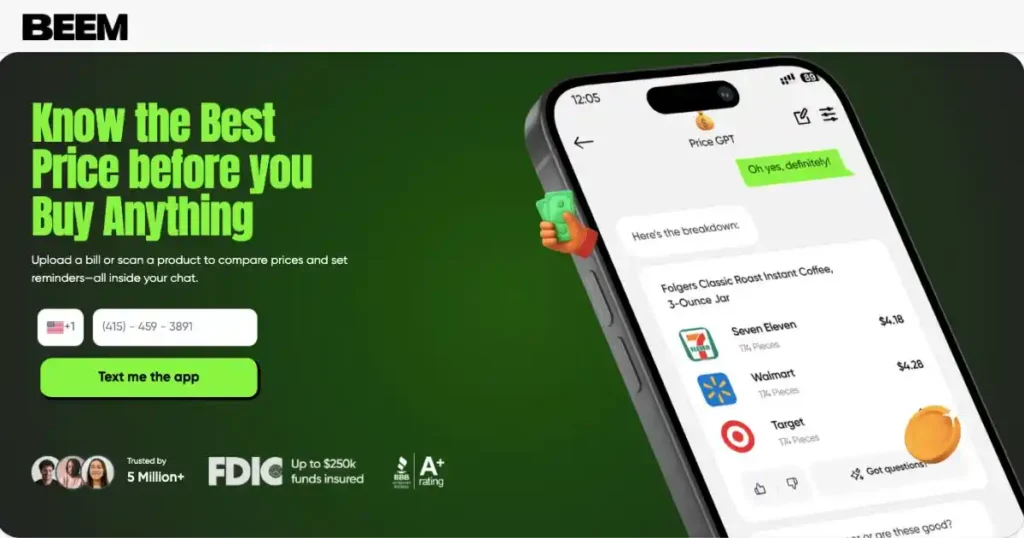
Price-tracking tools like PriceGPT track changes in product prices. Once the price decreases, the tool notes the difference and warns the shopper. This history helps reveal whether a discount truly represents a low sale price.
Deal Discovery Apps
Deal discovery apps gather verified promotions from retailers. By searching several websites, shoppers can review current offers in one place. These apps save time spent searching for discounts on sale prices.
Budgeting and Spending Insights
Some apps like Beem combine savings discovery with spending awareness for a financial view. Here’s how:
Tracking daily expenses
Tracking daily purchases can reveal tendencies and where to save money most frequently.
Alerts for unusual spending
Some tools notify users when spending exceeds normal levels, encouraging a careful review of purchases.
Deal and cashback discovery
Many platforms also highlight cash back rewards and verified discounts, which add another layer of savings.
These tools make price evaluation clearer. Apps such as Beem combine budgeting insights with deal discovery features.
Smarter Habits for Navigating Sale Prices
Many shoppers feel unsure during sales. Discounts can lead to quick emotional choices. Here are some of the habits to simplify the process of setting sale prices.
Create a Needs-Based Shopping List
A needs-based shopping list maintains concentration on what is important. Planning purchases ahead cuts down on spending. It helps shoppers stick to their needs with sale prices.
Set a Monthly Spending Cap for Deals
Setting a spending limit for discounts stops excitement from leading to unnecessary purchases. A monthly cap keeps spending balanced while still allowing for good deals.
Use a Waiting Period Before Buying
A waiting period calms the rush of a discount. Waiting twenty-four hours gives shoppers time to determine whether the item will still be worth it after the initial excitement of sale prices wears off.
Read: How PriceGPT Compares Everyday Prices So You Stop Overpaying Without Thinking About It
Conclusion
The truth is, sale prices aren’t always designed to help you save—they’re designed to help you buy. The confusion comes from a mix of clever pricing strategies, lack of transparency, and the sheer volume of options competing for your attention. As we’ve explored in The Real Reason “Sale Prices” Are Confusing, the key isn’t avoiding sales altogether—it’s learning how to navigate them with clarity and confidence.
This is where having the right tools makes all the difference. With BudgetGPT, you can approach sales with a clear spending plan, avoiding impulse purchases that derail your finances. PriceGPT takes the guesswork out of discounts, helping you instantly evaluate whether a deal is worth it. JobsGPT empowers you to grow your income, so you’re not just saving smarter—but earning better too. And with DealsGPT, you can uncover real savings without falling for marketing traps.
The result? Better decision-making, stronger financial control, and tools that actually fit into your real life.
If you’re ready to stop second-guessing your purchases and start making confident financial choices, now’s the time to act. Download the Beem app on the Apple App Store or the Google Play Store and take control of how—and why—you spend.
FAQs
1. Why do sale prices sometimes feel misleading?
Sale prices may be deceptive. Retailers resort to reference pricing, time-and-again offers, and marketing gimmicks. Such approaches can inflate discounts, although true savings might be less.
2. Are big percentage discounts always real savings?
Large percentage discounts aren’t always real savings. In some cases, the initial price is overcharged. This makes the discount appear larger than it really is.
3. How can I check if a sale price is genuine?
To verify whether a sale price is real, examine the price history. Shop around and think of the ultimate price, taxes, and freight.
4. Why do I spend more during sales than in regular months?
Sales generate excitement and urgency. This usually results in the purchase of additional goods, which may increase overall expenditure, even though all goods might be on discount.
5. What tools can help me find real discounts?
Platforms like Beem with PriceGPT help shoppers find verified deals and understand actual savings across stores.