
Table of Contents
Accessories often follow very different pricing patterns compared to the main products they support.
Smartphones, gaming consoles, laptops, cameras, appliances, and other major purchases usually launch at premium prices alongside expensive accessories like cases, chargers, headphones, controllers, mounts, cables, batteries, and add-ons. But while the main product may hold its price for months, accessory prices often decline much faster due to competition, oversupply, seasonal sales, and changing demand.
That creates an opportunity many shoppers overlook. Read on to know more about price declines on accessories in this blog.
Instead of buying every accessory immediately, strategic buyers often save money by timing accessory purchases separately from the main product purchase. In many cases, waiting even a few weeks or months can lead to significantly lower prices without sacrificing quality or compatibility.
The challenge is balancing convenience with timing. Some accessories are essential immediately, while others become impulse add-ons driven more by excitement than actual need. Retailers also encourage bundled purchases during checkout, making shoppers feel like every accessory is urgent.
That’s why smart shopping means separating “necessary now” from “better later.”
Understanding how accessory pricing declines over time can help shoppers reduce overspending, avoid unnecessary bundles, and optimize the total cost of ownership across electronics, gaming, travel gear, appliances, and everyday technology purchases.
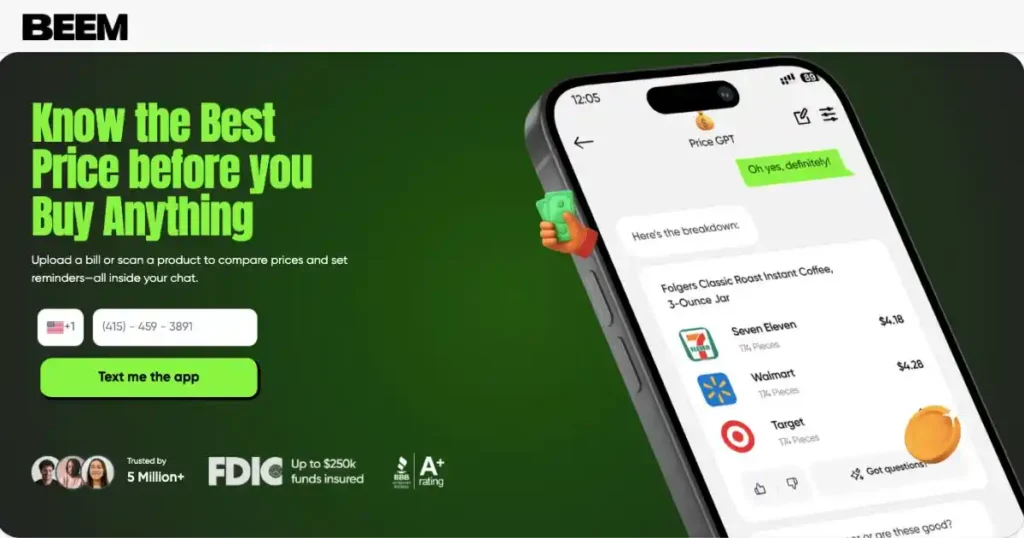
With PriceGPT from Beem, users can compare pricing trends and identify better timing opportunities for accessories and add-ons. Combined with BudgetGPT for smarter spending management, JobsGPT for improving financial flexibility, and DealsGPT for uncovering additional discounts, Beem helps users make more cost-effective purchasing decisions over the full lifecycle of a product.
Why do accessories drop in Price So Quickly?
Accessory pricing changes very quickly after new product launches because retailers know early buyers are willing to spend more immediately. Here’s why accessory prices usually fall so fast after release.
Early Demand Spikes
New product launches create buzz, increasing demand for accessories like chargers, cases, and headphones. Retailers often hike prices during this time since buyers want everything right after getting the main device.
Premium Pricing Margins
Retailers usually price accessories with higher profit margins during launch periods because many shoppers buy add-ons without comparing prices carefully. Convenience during checkout often increases emotional spending on products that may become cheaper.
Rising Market Competition
Third-party brands enter the market within weeks or months after product launches, creating more competition and lower pricing. Increased competition usually pushes accessory prices downward much faster than flagship product pricing.
Early buyers often pay the highest markup because accessory pricing usually remains inflated during launch periods before market competition begins lowering prices.
Read: How to Use Price Protection Policies (Credit Card & Retailer) to Save Money?
The “Bundle Trap” at Checkout
Retailers often push accessories when you buy a main product. Shoppers are ready to spend, so this tactic seems smart. However, these bundles can lead to higher spending than planned. Here are common accessory upsells retailers use during shopping.
- Cases
- Chargers
- Screen protectors
- Extended warranties
Convenience at checkout can lead to impulse buys. Shoppers often purchase accessories without comparing fees or seeking out better offers.
Accessories That Usually Get Cheaper Fast
Many accessories experience a price drop shortly after they are first released. This is due to the increase in market competition and new brands. When buying a new car, avoid paying for extras that are not required by waiting a couple of weeks.
Here are some accessories that tend to become more affordable in no time at all.
- Phone cases
- Chargers and cables
- Laptop sleeves and stands
- Gaming accessories
- Smartwatch bands
These accessories often drop in price quickly. This happens because third-party alternatives appear soon after launch, offering shoppers cheaper options.
This may interest you: Why Bills Are the Biggest Reason Budgets Fail?
When Waiting Saves the Most Money?
After the launch and significant sales of the main products, accessory prices change more rapidly than the main products. Patience can help consumers to save more and avoid costly purchases. Here are the ideal moments to wait for the greatest savings.
Right After Product Launches
Accessory prices are usually highest during the first product launch period because demand remains very strong. Prices often begin normalizing once the early excitement slows and more brands release competing accessories.
During Holiday Sales
Holiday shopping events are great for buying accessories. Retailers offer bigger discounts during these busy times. Accessories often have larger price cuts than main devices. Stores want to boost overall sales quickly.
Key shopping periods with strong accessory discounts include:
- Black Friday
- Cyber Monday
- Prime Day
When New Versions Launch
Older-generation accessories frequently receive heavy discounts when brands release newer product versions. Retailers discount heavily to clear out old products.
There is a benefit to waiting a little before purchasing non-essential accessories to save money and avoid high launch prices.
Read: How to Track Monthly Bills Automatically?
How to Decide Which Accessories to Buy Immediately?
When consumers are making thoughtful purchases, they can save money and prevent impulse purchases by purchasing accessories as well. Knowing which items are truly needed right away leads to better financial choices.
Buy now if:
- Protective accessories that prevent product damage are usually worth purchasing immediately after buying expensive electronic devices.
- Work-related accessories needed for productivity tasks may justify immediate purchase because daily activities depend on proper functionality.
- Accessories that are difficult to replace quickly may deserve earlier purchase to avoid future inconvenience.
Wait if:
- Optional accessories usually receive discounts after launch periods, once competition increases and retailers lower pricing.
- Cosmetic accessories often become cheaper quickly because many similar third-party designs enter the market after launch periods.
- Non-essential upgrades can usually wait because prices often normalize after initial demand and shopping excitement decreases.
Careful accessory planning helps shoppers focus on important purchases first while avoiding unnecessary spending during checkout periods.
Third-Party Accessories vs Brand Accessories
Brand accessories typically cost more. This happens because of the extra costs tied to compatibility, branding, and customer trust. Third-party add-ons can provide the identical overall performance for less.
After a product launch, many third-party manufacturers sell fine chargers, instances, stands, and cables. But quality and compatibility ought to be kept in mind. A less expensive accessory may cause durability or performance issues in the future.
Read: Why Comparing Prices Manually Doesn’t Work Anymore?
Watch for Compatibility Marketing Tricks
Some brands encourage shoppers to buy accessories even if they function correctly with a newer device. Simple design modifications can make improvements seem more pressing.
It’s not a need that every new product has new chargers, cables, adapters, or accessories immediately. Buyers can save on additional expenses when they purchase replacements that are compatible with their existing system.
Use Price Tracking to Your Advantage
Accessory prices change more often than flagship product prices. Tracking prices gives shoppers an indication of whether they are being offered a real discount or if prices are still high.
Shoppers should monitor accessory pricing during:
- 2–8 weeks after launch
- Major sales events
- Clearance periods
Check this out: How PriceGPT Integrates with DealsGPT for Maximum Savings?
Calculate the True Cost of Ownership
Many shoppers focus only on the main product price. They often overlook how accessories can increase total spending. However, ownership costs can rise significantly when adding chargers, warranties, upgrades, and replacement accessories.
The actual cost of ownership refers to the product cost, accessories, protection plans, storage upgrades, and replacement cables or adapters for future use. The purchases of small items can add up to a lot of money without the owner realizing it.
Smart Buying Strategy
Smart accessory shopping is not only about finding lower prices during checkout. Better planning often helps shoppers reduce unnecessary spending and avoid emotional buying decisions. Here are smart strategies that help shoppers purchase accessories more carefully.
- Buy the essential accessory immediately: Protective or work-related accessories that are required immediately may justify purchasing during checkout because they support regular daily product usage safely.
- Delay non-essential purchases: Non-essential accessories usually become cheaper after launch periods end because more brands enter the market and increase pricing competition.
- Compare Multiple Brands: Official accessories may not be the best value. There are numerous other third-party products with comparable capabilities, and their cost is less in the long term.
- Avoid Emotional Upsells: At checkout, retailers make use of rushed and convenient buys, like grocery coupons. Comparing options helps optimize spending choices.
Also read: Stop Paying the “Lazy Tax”: How DealsGPT & PriceGPT Automate Savings
Common Mistakes to Avoid
Shoppers regularly overpay for accessories because shopping for them at the cashier is less complicated. Here are some of the typical mistakes that buyers make when buying accessories.
- Buying every accessory at launch: Many accessories receive discounts quickly after launch periods, so purchasing everything immediately often creates unnecessary spending during product releases.
- Assuming Official Means Better: Official accessories sometimes cost significantly more, even when third-party options provide similar quality, compatibility, and long-term functionality after regular use.
- Ignoring Bundle Markups: Accessory bundles may appear cheaper during checkout, but many bundled products often become available separately for much lower prices online.
- Purchasing Duplicate Accessories: Buying multiple similar accessories without a clear need often creates unnecessary spending and increases ownership costs far beyond the original product budget.
Careful planning and delayed accessory purchases often help shoppers avoid emotional spending and unnecessary ownership costs. PriceGPT helps shoppers compare accessory prices more clearly and avoid emotional spending decisions during checkout.
How Beem Helps You Control Tech Spending?
Beem helps shoppers manage electronics and accessory spending more carefully before making expensive purchases.
Better spending visibility helps people see where their money goes. It also cuts down on unnecessary add-on purchases during checkout.
Beem tracks long-term spending habits and offers access to up to $1,000 through Everdraft™ for planned emergencies.
Read: How PriceGPT Compares Everyday Prices So You Stop Overpaying Without Thinking About It
Conclusion: Price Declines on Accessories
Accessory pricing can change quickly after major product launches, creating opportunities for shoppers who understand when waiting makes financial sense.
Many consumers overspend by purchasing every recommended add-on immediately alongside a new device or product. But in reality, accessory markets often become more competitive over time, leading to price drops, better third-party alternatives, bundled promotions, and wider discount availability.
The smartest shoppers prioritize immediate needs first and delay non-essential accessories until pricing becomes more favorable. This approach can reduce total ownership costs significantly without sacrificing product quality or long-term usability.
The goal is not avoiding accessories completely.
It’s buying them strategically instead of emotionally during the excitement of a major purchase.
By evaluating:
- Actual necessity
- Pricing trends
- Third-party alternatives
- Seasonal discounts
- Bundle value
- Compatibility lifespan
shoppers can make more efficient purchasing decisions and avoid unnecessary overspending on add-ons that may become far cheaper later.
With PriceGPT from Beem, users can track accessory pricing more intelligently and identify when delayed purchases create better long-term value. Paired with BudgetGPT for spending visibility, JobsGPT for improving financial flexibility, and DealsGPT for uncovering smarter savings opportunities, Beem helps users shop more strategically while reducing unnecessary purchase costs.
Download the Beem app today from the Apple App Store or the Google Play Store and start making smarter purchase decisions with better timing, better planning, and better long-term savings.
FAQs
Why do accessories become cheaper so quickly?
As more brands enter the market, add-ons turn out to be inexpensive because competition increases. With the competition, retailers lower prices to attract customers.
Should I buy accessories with the main product?
You can buy essential accessories now. Non-essential ones usually get cheaper. This occurs when sales events, competition, and decreased demand for the launch have taken place.
Are third-party accessories worth buying?
Yes, third-party accessories may be high-quality and less costly. Just ensure to check compatibility, durability, and examine customer opinions.
What accessories usually get discounted the most?
You’ll regularly find massive discounts on phone cases, chargers, cables, gaming tools, smartwatch bands, and headphones after their launch and during vacations.
How can I avoid overspending on add-ons and upgrades?
Only necessary purchase accessories, to avoid overspending. Look at prices, wait on extras, and avoid emotional upsells at the cashiers.