

Table of Contents
Discounts are everywhere—flash sales, limited-time offers, “up to 70% off” banners—and they’re designed to make you feel like you’re saving money. But what if most of those savings aren’t as real as they seem? Many shoppers assume that a discount automatically means a better deal, but in reality, pricing strategies are often built to influence perception, not reflect true value. From inflated original prices to confusing percentage-offs, it’s easy to misjudge what you’re actually paying.
The real issue isn’t a lack of awareness—it’s a lack of clarity. Online prices change constantly due to algorithms, demand shifts, and promotional tactics, making it difficult to know whether you’re getting a genuine bargain or just reacting to smart marketing. As a result, shoppers often make quick decisions without fully understanding the bigger financial picture.
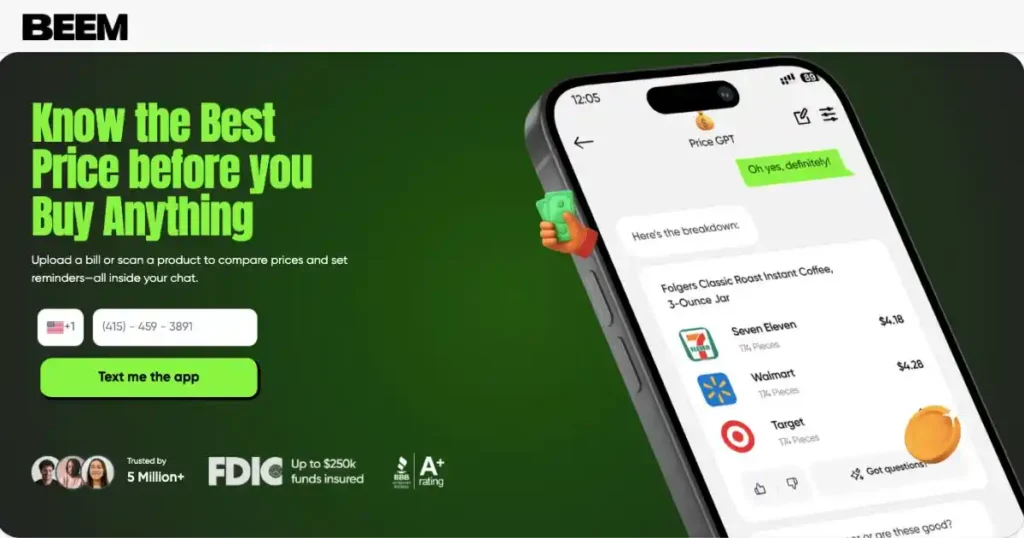
That’s where AI-powered tools are reshaping the way we approach spending. Platforms like Beem bring clarity and control into everyday financial decisions. With PriceGPT, you can evaluate whether a discount is actually worth it. BudgetGPT helps you stay grounded in your spending plan, while JobsGPT supports your earning goals. Add DealsGPT, and you get smarter savings without the confusion.
In this blog, we’ll break down What Most Shoppers Get Wrong About Discounts and Prices—and how to avoid costly misconceptions.
Why Discounts Feel Like Automatic Savings?
Discounts are viewed by many as opportunities to be grabbed. The situation is quite acute, and it may not be good to wait. For many, the shift from the original price to the sale price feels like proof of a smart buy. Retailers know this reaction well. Colorful labels and big percentage cuts emphasize the idea of savings. Here’s why this effect is so strong.
The Psychology Behind Discount Labels
Sale tags can sway shopping choices before you think it through. Bright labels and bold percentages spark excitement, pushing shoppers to buy quickly. Many see discounts as opportunities to be seized. The moment feels urgent, and waiting can seem risky.
Read: How PriceGPT Compares Everyday Prices So You Stop Overpaying Without Thinking About It
The Biggest Mistakes Shoppers Make With Discounts
Discounts can save money. However, misunderstandings about them often lead shoppers to spend more. Here are some common mistakes:
Believing Every Discount Means a Good Deal
Some shoppers believe that anything on sale is a bargain. This belief leads to buying things just because they seem cheaper. However, buying items you don’t need still adds to your spending. A 30% discount on something you rarely use may not save you money.
Ignoring Original Price Manipulation
Retailers sometimes change original prices before offering discounts. A product may look heavily marked down. The original price might not be its usual cost. This trick makes the discount seem bigger than it really is. Without checking prices, shoppers might accept the deal too easily.
Focusing Only on Percentage-Off
Big percentage discounts grab attention. A fifty percent discount looks great. But the base price matters for real savings. For example, an item marked down from $20 to $10 seems impressive. Yet if a similar item costs twelve dollars elsewhere, it is still cheaper.
Overlooking the Total Cost
Even a discounted product may prove expensive, especially with shipping, taxes, or service fees. Such additional expenses can silently add up to the final bill.
Also read: Stop Paying the “Lazy Tax”: How DealsGPT & PriceGPT Automate Savings
Common Pricing Myths That Lead to Overspending
There are certain beliefs about shopping that seem clever but end up making you spend more. These myths affect perceptions of discounts and deals. Here are some myths
“Buy One Get One Means Free”
Buy One Get One offers look great, but they often lead to extra purchases. If you wouldn’t buy the item alone, the deal isn’t worth it.
“Limited-Time Deals Must Be Taken Immediately”
Countdown timers and flash sales create a rush. They make you feel like waiting means missing out. However, many of these deals come back later in a similar way.
“The Cheapest Option Saves the Most Money”
Low prices can catch your eye. But very cheap products might break down faster or not work well. A good purchase would save you more in the long run.
How do retailers use discounts to influence decisions?
Retailers design discount strategies to influence shopping habits and purchasing decisions. Being aware of these tricks makes shoppers understand how discounts can influence their choices. Here are some common strategies to watch for.
Price Anchoring
Retailers often display the original price alongside a discounted price. The new price appears to be a fantastic deal in this comparison, even though the actual savings might be minimal.
Countdown Timers and Flash Sales
Countdown timers and flash sales generate a sense of urgency and compel buyers to make purchases in a hurry. This stress may lead to unconsidered impulse buying.
Bundle Pricing
Bundle offers combine products into one package. This makes the deal seem valuable. Shoppers might spend more in general if they don’t know about this.
How Discount Misunderstandings Affect Your Finances
Discounts might not be harmful, but the confusion can affect your spending habits. Minor mistakes may prove costly in the long run. These misunderstandings impact your finances in the following ways.
Buying More Than You Planned
Shoppers will be tempted to buy more items simply because they are cheaper during sales. This may make you spend more than what you had planned during discount periods.
Accumulating Unused Items
Repeat buying driven by offers may end up overcrowding your house with unused stuff. In the long run, these goods symbolize the money that could have been saved.
Budget Shortfalls Before Payday
When you repeatedly spend to take advantage of discounts, your budget may be strained until payday. Small extra purchases add up and create unexpected financial pressure.
How to Tell If a Discount Is Actually Worth It?
Discounts may be tempting, but not all offers are bargains. A careful approach helps shoppers determine whether a reduced price would save them money. Here are a few simple methods for evaluating a discount before buying.
Compare Prices Across Multiple Sellers
Check the same product with other retailers. This helps you see the real market price. A discount might seem great on one site, but it looks average compared to others.
Review Price History
Looking at a product’s price can show if the discount is real. Sometimes prices rise before sales, making the markdown seem bigger than it is.
Calculate the Final Cost
Costs may not be fully reflected in the product page price. Total shipment, taxes, and charges can increase the checkout price.
Ask the Need-Based Question
A simple question can clarify many choices: Would you buy the item without the discount? If the answer is no, the purchase may not be needed.
Check this out: How PriceGPT Integrates with DealsGPT for Maximum Savings?
Tools That Help You Understand Real Savings
Understanding real savings goes beyond just looking at discounts. Modern tools simplify the analysis of prices and spending habits. Here are some tools that help shoppers see the value of deals.
Price Comparison Tools
Price comparison tools display products offered by other sellers at the same location. This helps buyers quickly understand market prices and whether to take a discount.
Deal Discovery Apps
Deal discovery apps collect discounts verified by a variety of stores and websites. Shoppers need not go all over to get good deals, but can get them in one place.
Budgeting and Spending Insight Tools
Certain tools enable users to learn more about their spending and habits. These insights drive shopping decisions.
Real-Time Transaction Tracking
Daily purchase tracking lets users monitor their expenses and identify unnecessary costs.
Alerts for unusual spending
Notifications highlight transactions, allowing users to manage their finances more carefully.
Deal and cashback discovery
Apps such as Beem help consumers discover genuine discounts and cashback deals, and prevent deceptive deals.
Read: How AI Helps You Simulate “What If” Scenarios Before Making Big Money Decisions
Smarter Habits for Navigating Discounts
Building a shopping habit will prevent unnecessary expenditure. Here are some of the simple habits that you could adopt:
Shop With a Clear Budget
Establish a budget limit, then go shopping. This assists in curbing impulsive decisions. With a budget, shoppers pay attention to what really fits their budgets.
Use a Waiting Period for Non-Essential Purchases
Wait not less than twenty four hours before purchasing non-essential products. This is a break that allows you to think. It usually reduces purchases occasioned by excitement.
Focus on Value, Not Just Discounts
A lower price does not necessarily translate to value. Select goods based on utility, longevity, and quality. This will contribute to wiser long-term spending decisions.
Check this out: AI Insights for Gig Workers Balancing Multiple Income Streams and Irregular Checks
Conclusion
Discounts can be powerful—but only if you understand what they really mean. As we’ve explored in What Most Shoppers Get Wrong About Discounts and Prices, the biggest mistake isn’t chasing deals—it’s assuming every deal is worth it. Without context, even a steep discount can lead to overspending, poor choices, or missed opportunities to get better value elsewhere.
The key is shifting from reactive buying to informed decision-making. With BudgetGPT, you can approach discounts with a clear plan, avoiding impulse purchases that don’t align with your priorities. PriceGPT helps you verify whether a deal is genuinely good, giving you confidence before you buy. JobsGPT opens up ways to increase your income, so your financial strategy isn’t limited to cutting costs. And with DealsGPT, you can uncover real savings opportunities—without falling for misleading promotions.
Together, these tools—powered by Beem—help you take control of your financial decisions in a way that’s practical and sustainable.
Ready to stop falling for misleading discounts and start making smarter choices? Download the Beem app today on the Apple App Store or the Google Play Store and turn every deal into a truly smart decision.
FAQs
1. Why do discounts sometimes lead to overspending?
Discounts create urgency and excitement. This often tempts shoppers to buy items. As a result, shoppers tend to overspend.
2. How can I tell if a discount is real or fake?
You can look up the product’s previous prices and visit several websites. If the initial price seems too high, it may just be a marketing gimmick.
3. Are big percentage discounts always better?
Not necessarily. Even a high percentage discount does not imply that the price was high to start with or even inflated. It is the price that counts in the end.
4. What is the most common mistake shoppers make with sales?
Most shoppers believe that all sales offer actual savings. Impulse buying may result in unnecessary spending and purchases due to the purchase of items simply because they are on sale.
5. How can I avoid falling for misleading discounts?
You can avoid it by comparing prices across shops, reviewing price history, and asking yourself whether you actually need the product.