

Table of Contents
Promo codes appear to be a simple money-saving method. But the checkout sum can tell another tale. It may appear nice with a discount, but the result does not necessarily reflect actual savings.
Many shoppers believe in promo codes without looking at the entire price. Beem DealsGPT elucidates this by showing the real worth of deals.
DealsGPT prevents you from getting into a scenario where discounts instead of reducing expenditure increase it. By knowing some tricks, you can alter your purchasing decisions.
Why Promo Codes Do Not Always Mean Real Savings
Promo code can be a simple method to save money, but when you get to checkout, you will see the reality. Certain offers may cause pressure or covert influence. Here’s how these patterns work and why they matter before you buy.
Why Shoppers Trust Codes Too Quickly
Many shoppers believe that using a promo code offers a better price. This perception can blur their minds on such critical issues as the end total, product quality, shipping, and return policies. All these aspects are crucial in deciding if a purchase is truly worth it.
How the Feeling of Saving Can Change Buying Decisions
The word “discount” is thrilling and urgent, which might influence decisions. This usually results in the purchase of unnecessary things just because the offer is savvy as a result of the code.
What Price Manipulation Looks Like Around Promo Codes
Price manipulation occurs when a discount appears to work in favor, it actually safeguards the profit of the seller. Let’s know more about it:
Temporary Price Increases Before a Discount
On some occasions, the cost would increase just before a promo code is provided. This makes the discount seem bigger than it is. The price usually remains near the normal price, despite the offer appearing attractive.
Discounts That Apply Only After You Spend More
Many promo codes require a minimum cart value. This compels you to buy more to receive the discount. As a result, your total spend goes up, reducing the real value of the offer.
Discounts That Hide Higher Fees Elsewhere
The value of a promo code can be offset by shipping charges, service fees, taxation, or a smaller reward. The price may appear attractive but the bottom line usually speaks otherwise.
Read: Discount Stacking Strategies That Actually Save Real Dollars
Common Promo Code Tactics That Can Cost You More
Some promo code strategies aim to increase expenditure rather than to provide actual savings. Being aware of these tricks will enable you to avoid mistakes. Here’s what to look out for:
Inflated Original Prices
A discounted price is commonly displayed beside a higher original price by retailers. This will make the deal more appealing. Many times, the product doesn’t usually sell at that higher price.
Auto-Applied Codes That Block Better Offers
Auto-applied discounts can stop you from using other offers like cashback or free shipping. This limits your overall savings without being obvious at checkout.
Limited-Time Pressure That Is Repeated Often
Urgent messages and countdown timers give a feeling of urgency. The offers are however frequently repeated. This trend is an indication that the urgency may not exist.
Personalized Codes That Nudge Extra Spending
Specific promotions, such as discounts on higher spending limits, are intended to boost the order value. Such deals can push you to purchase more than you intended to save money.
Signs a Promo Code May Be Working Against You
Certain promo codes appear to be useful initially, yet minor details might tell another tale. Be aware of these signs before checkout to prevent unnecessary expenses.
The Final Price Is Still Higher Than Expected
A discount line may appear good but the end result is the price. Compare the price with the shipping, taxes, and charges to determine whether the price actually decreased or if it is only apparent.
You Added Items Only to Unlock the Code
If you add items just to reach a minimum spend, the promo code may be swaying your choice. This often raises the total cost and lessens the actual benefit of the discount.
The Deal Looks Good, but the Rules Are Hard to Find
Some promo codes hide conditions like exclusions or limits. If the details are unclear, the deal’s value may not match your first impression.
The Same Store Always Seems to Have a Code
Frequent discounts could mean the listed price isn’t the real everyday price. This lowers the actual value of the offer and makes your savings less significant.
How to Check if a Promo Code Saves You Money
A careful approach can confirm if a promo code cuts costs. Small checks before payment can make a big difference. Here’s how to evaluate a deal step by step.
Compare the Price Before and After the Code
Look at the price of the item, subtotal, shipping, taxes, and fees with and without code use. This indicates whether this discount will reduce the total amount.
Compare With Other Sellers
Another store might offer the same product at a low price, without a promo code. Comparing alternatives assists in assuring that you score the best.
Test Free Shipping, Cashback, and Bundle Options
Different offers may give better savings based on your purchase. In some cases, a discount code might be less effective than a free shipping or cashback offer.
Check Price History When Possible
Viewing previous prices will enable you to determine whether the present deal is really lower or is merely appealing. This adds clarity before making a final decision.
Smart Ways to Use Promo Codes Without Falling for the Trap
It will be more effective to use promo codes as they can maintain clarity and control of decisions rather than hurried decisions. A simple approach helps avoid unnecessary spending. Here is how to use promo codes in a practical and balanced way.
Start With the Product Price, Not the Discount Label
Before applying any code, it is important to decide whether the product is worth buying at its actual price. This maintains the value and avoids making decisions due to the existence of a discount.
Set a Maximum Spend Before Shopping
Setting a spending limit will avoid the temptation of making an extra purchase to get a deal. A clear limit creates control and ensures that the final purchase stays within what was originally planned.
Use One Simple Deal-Checking Routine
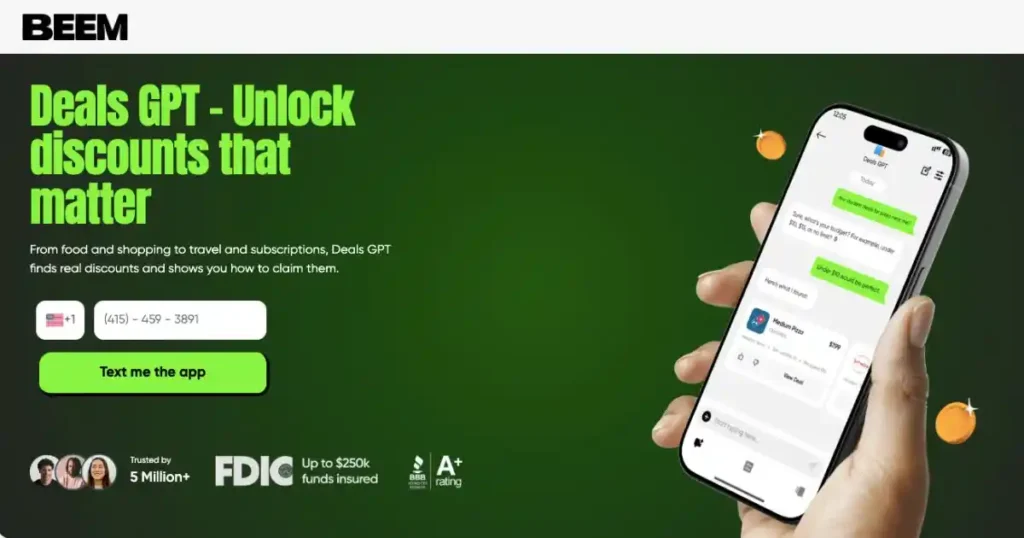
A simple routine that includes checking the final cost, comparing offers, and reviewing conditions can improve decisions. DealsGPT helps surface better options and makes it easier to confirm whether a deal truly reduces the total cost.
Skip the Code If It Changes the Plan
If a promo code leads to adding items that were not planned, it may not be helpful. Ignoring such offers helps maintain control and prevents spending more than necessary.
Why Better Deal Habits Beat Constant Discount Chasing
Better habits lead to stronger results than constantly searching for discounts. A clear approach helps avoid small mistakes that reduce savings. Here is why focusing on habits works better over time.
Real Savings Come From Better Decisions
Saving money depends more on choosing the right product at the right price than applying a discount. A thoughtful decision often provides more value than chasing multiple offers.
Small Money Leaks Add Up Fast
Extra items, hidden fees, and rushed purchases can slowly increase spending without being noticed. These small amounts build over time and reduce overall savings in a quiet way.
A Calm Shopping Process Usually Saves More
Taking time to compare options and avoid urgency leads to better results. PriceGPT supports this by showing real price trends, which help reduce pressure and improve overall decision-making.
How Digital Tools Can Help You Spot Better Deals
Shopping is easier with clear information. Beem offers tools that cut confusion and show real value. Here’s how digital tools support smarter buying decisions.
Price Alerts Can Beat Random Codes
Waiting for a real price drop often saves more than using random promo codes. PriceGPT monitors price fluctuations and indicates a fall in the price of an item. This can assist you in not rushing to buy things because of the temporary discounts.
Use Coupon Discovery Tools Carefully
Coupon tools can help, but use them to compare options rather than falling for marketing that encourages extra spending. DealsGPT filters useful offers and highlights real savings. This makes it easier to avoid codes that don’t lower the final cost.
Smarter Shopping Tools Focus on Real Value
AI Wallet identifies the trends in spending and unseen expenses. This eliminates impulse purchasing and helps you stick to the real value, rather than the marketing part.
Conclusion
Promos can be helpful only when they work and reduce the overall price. Beem DealsGPT helps to find the best promo code that will reduce the final amount.
With the help of this tool, you can easily reduce your expenses. It helps you focus on the total cost, not just the discount.
Using Beem DealsGPT makes finding genuine savings easier. Check out Beem app to make smarter buying choices and be confident about all purchases.
FAQs
Can a promo code actually make me spend more?
Yes, a promo code can increase expenditures. It occurs when you are adding something extra, in a hurry, or even when you fail to check the final amount before purchasing.
How do I know if a promo code is a real deal?
To verify a genuine deal, look at the total checkout cost, including shipping, taxation, and miscellaneous fees. Ensure it is less than other offers.
Why do stores set a minimum spend for discount codes?
Stores impose minimum spend requirements to increase the value of the order. This will tempt the shopper to buy more resulting in the additional cost exceeding the real discount to the shopper.
Is free shipping sometimes better than a promo code?
Yes, free shipping will save you more, particularly with big orders. The percentage discount savings can be offset by high shipping costs.
What is the biggest mistake people make with promo codes?
The greatest mistake is to concentrate on the discount. It’s important to see the final price to confirm the purchase.