

Table of Contents
Have you ever checked a product online, come back a few hours later, and found the price has changed?
You’re not imagining it.
Online prices today are highly dynamic. Unlike traditional retail, where prices stay fixed for longer periods, digital platforms constantly adjust prices based on demand, competition, timing, and even user behavior epecially while you shop online. What you see at one moment may not be the same price someone else sees—or even what you’ll see later the same day.
This creates confusion for shoppers. Is the price increase temporary? Should you wait? Are you actually getting a good deal?
The challenge isn’t just price changes—it’s understanding why they happen and how to respond.
That’s where AI-powered tools can help.
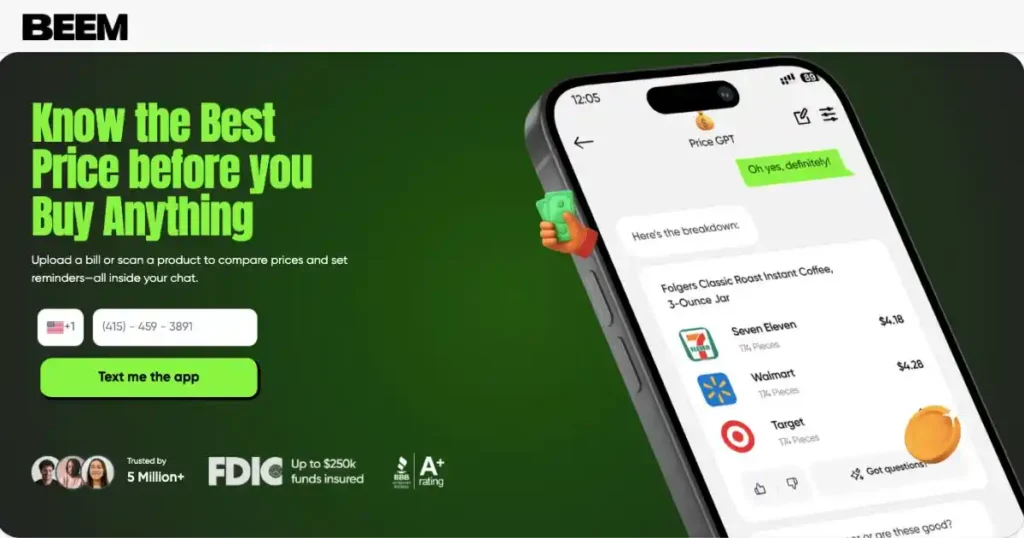
With PriceGPT from Beem, users can compare prices across platforms in real time and make informed decisions instead of guessing. Combined with BudgetGPT for managing spending, JobsGPT for increasing income, and DealsGPT for finding additional savings, Beem gives you the tools to stay in control—even when prices keep changing.
The Frustration of Seeing Prices Change Overnight
Shopping online is annoying, particularly when prices are fluctuating. One day, a product is cheap. The next day, it may cost more. The price of the same item may vary over time. These changes attract the attention of numerous shoppers who are confused about when to purchase. It is possible to alter the prices within several hours.
The Feeling of Missing Out on a Better Price
Small price changes can leave shoppers questioning their timing. A purchase feels fine at first, but later it seems different. Here are a few common feelings that many shoppers recognize.
- Buyer’s Remorse After a Price Drop
A shopper purchases a product and then realizes it was sold at a lower price. The difference might be small. It creates a nagging feeling that waiting could have been better.
- Pressure to Buy Before Prices Increase
When prices change, many shoppers fear that the delay will lead to higher prices. This pressure can push them to make a decision rather than take the time to compare.
Check this out: How PriceGPT Integrates with DealsGPT for Maximum Savings?
What Is Dynamic Pricing and How Does It Work?
Dynamic pricing is a common term in e-commerce. It refers to prices that are changed to reflect market conditions. Prices can shift when demand changes, competitors update their prices, or sales increase. These changes often happen automatically through systems that analyze shopping data. Here’s how online shopping pricing works.
The Role of Algorithms in Online Pricing
Dynamic pricing uses algorithms that monitor shopping activity across online stores every minute. These systems check demand, product views, and competitor prices before adjusting. Updates are fast since the system processes market signals continuously, responding without needing manual changes from store managers.
Why Online Stores Change Prices Frequently
Several market signals influence price changes in digital stores daily. Here are the main reasons prices shift more often than shoppers expect.
- Demand spikes: Retailers respond to demand by adjusting prices. If demand suddenly increases, prices can rise.
- Inventory Levels: If stock decreases, prices may increase. Retailers respond to the perceived value of the item.
Key Factors That Cause Online Prices to Fluctuate
Online prices change for several reasons. Each one explains why the same item can have different prices over time or across websites. Here are the main influences on online price changes.
Supply and Demand Changes
Popular products during busy seasons attract more shoppers. Limited stock can drive prices up as retailers respond to demand.
Time-Based Pricing
Prices can vary based on timing. Weekend shopping holiday demand and major sales often lead retailers to adjust prices.
Competitor Price Matching
Retailers keep an eye on competitor prices. Adjust their own automatically. When one store lowers a price, many systems react quickly to stay competitive.
User Behavior and Personalization
Some pricing systems use browsing habits and location data. Frequent searches for a product or local demand can result in different online prices.
Common Situations Where Prices Change the Most
Online prices change more in specific shopping categories. Some products face stronger demand or are subject to regular promotions. Here are the situations in which price changes are most apparent.
Travel and Transportation
Airline prices are adjusted based on demand. As travel dates approach or there are very few seats available, ticket prices will rise. The same applies to rides, where prices can increase significantly during surge pricing.
Electronics and Gadgets
Promotion events can also lead to frequent price changes in electronics. For example, to get rid of older models, prices are lowered when new models arrive or during promotional events.
Everyday Household Items
Commonly bought items such as groceries and subscriptions also change in price. Price changes can be caused by seasonal demand and supply changes, as well as promotions.
Also read: Stop Paying the “Lazy Tax”: How DealsGPT & PriceGPT Automate Savings
How Online Stores Use Pricing Psychology?
Online retail stores price their products to influence buyers’ emotions and behavior. Although these strategies are not explicit, they have a tremendous influence on whether a customer makes a purchase. Here’s how online stores use pricing psychology:
Limited-Time Deals and Countdown Timers
Countdown timers and limited-time offers that are valid only at specific times of the day make customers hurry to make a purchase. Customers are more inclined to purchase the product offering in a single go when they believe they are losing a deal.
Price Anchoring Tactics
Price anchoring occurs when an item on discount is advertised with an inflated original price next to it. The perceived discount appears larger even if the price is normal.
Low Initial Prices That Increase Later
Some services offer introductory prices or trial periods. Over time, the price rises, helping customers get used to it before the full cost kicks in.
How Constant Price Changes Affect Your Budget?
Frequent online price changes can slowly influence your spending and budgeting. Here’s how:
Spending More Than Planned
Purchases are impacted by limited-time offers, even if they aren’t needed. Shoppers motivated by time-sensitive discounts will often buy products early, even if they were not originally planning to buy the item.
Difficulty Tracking True Costs
The problem with constantly changing prices is that there is little time to appreciate an item’s true value. The lack of a constant reference price prevents shoppers from determining whether an offer is a saving at all.
Increased Financial Stress
Price fluctuations can cause confusion when purchasing in bulk. Customers keep looking around and praying for a better price, in case prices increase before them.
Read: How PriceGPT Compares Everyday Prices So You Stop Overpaying Without Thinking About It
How to Protect Yourself From Price Fluctuations?
Irrespective of such price swings, you can take measures to cushion yourself. Here are some tips that can guide you through the changes.
Compare prices before buying.
When you search for something to buy, you are likely to have multiple choices. Shopping to find the best deal is not just good practice; it can save you a lot of money and prevent financially unhealthy spending.
Use Price Tracking and Deal Tools
Tools for price tracking show price history and changes for specific products over time. They help you wait for a better deal with price drop notifications.
Shop at the Right Time
When you buy a product, you can save a lot. Buying during a certain season can save you money because many products go on sale. You can plan your shopping during big sales or when shopping is quiet.
Smart Tools to Help You Avoid Overpaying
Tools available to consumers help consumers track fluctuations in product prices. Here are some tools that can help:
Real-Time Deal Alerts
Real-time deal alerts notify consumers when a product has dropped in price. Deal alerts are intended to deter buyers from paying a higher price for a product.
Price Comparison Features
Price comparison apps such as Beem PriceGPT display products in several online shops. Seeing several listings also helps shoppers find the best price at a glance.
Budgeting and Spending Insights
Improving financial awareness starts with knowing your spending habits. These tools help individuals have a clear picture of how they spend.
Tracking Your Spending by Category
A spending tracker categorizes purchases into groups. Shoppers can find a structured and precise account of how their money is spent.
Alerts for Unusual or High Spending
Alerts let users know when spending exceeds the norm, helping them make changes so spending doesn’t spiral out of control.
Apps like Beem use this feature to help their users better control their spending and help them find cheaper alternatives. This helps when combined with budgeting because online shopping becomes more purposeful.
The Long-Term Benefits of Smarter Price Awareness
Changes in behavior are expected with a better understanding of price elasticity over time. Here are some long-standing benefits of awareness of online price movements.
Lower Monthly Expenses
Tracking price shifts leads to more strategic buying, giving consumers more choice about when to make a purchase. These small savings on even regular purchases can lower monthly expenses.
Better Control Over Spending Decisions
Price awareness leads to more considered choices rather than impulsive buys. Shoppers start to evaluate value, helping to avoid purchases and promoting balanced spending.
More Room in Your Budget for Essentials
Smarter buys save you money and open up your wallet. Its additional flexibility allows you to meet requirements and mitigate the pressure of unforeseen expenses.
This may interest you: How AI Can Help You Decide Between Saving, Paying Debt, or Spending Today
Conclusion
Have you ever checked a product online, come back a few hours later, and found the price has changed?
You’re not imagining it.
Online prices today are highly dynamic. Unlike traditional retail, where prices stay fixed for longer periods, digital platforms constantly adjust prices based on demand, competition, timing, and even user behavior. What you see at one moment may not be the same price someone else sees—or even what you’ll see later the same day.
This creates confusion for shoppers. Is the price increase temporary? Should you wait? Are you actually getting a good deal?
The challenge isn’t just price changes—it’s understanding why they happen and how to respond.
That’s where AI-powered tools can help.
With PriceGPT from Beem, users can compare prices across platforms in real time and make informed decisions instead of guessing. Combined with BudgetGPT for managing spending, JobsGPT for increasing income, and DealsGPT for finding additional savings, Beem gives you the tools to stay in control—even when prices keep changing.
FAQs
Why do online prices change so frequently?
Online prices change frequently, mainly due to automated systems. Prices in these systems are adjusted based on demand, inventory, competitors’ prices, and consumer shopping activity.
Do websites show different prices to different people?
Yes, websites might charge different prices depending on location, demand, or browsing patterns. Pricing systems analyze market conditions, creating small variations for users.
What is dynamic pricing in online shopping?
Dynamic pricing is when online stores change product prices automatically using algorithms. This way, you know when to buy something at a good price.
How can I track price changes before buying something?
Pricing history and tracking services let you view product pricing history. Numerous apps remind you when prices are reduced so you can purchase at the appropriate moment.
What is the best time to shop online for lower prices?
Pricing history tools also show optimal purchasing periods for specific products. These tools show a decrease in price following significant events, such as large sales, seasonal changes, or a decline in product demand.