

Table of Contents
It’s tempting to believe that the lowest price automatically means the best deal. After all, saving money feels like a win—especially when you’re shopping online with endless options including the cheapest price competing for your attention. But in reality, the cheapest option often comes with hidden trade-offs: lower quality, shorter lifespan, added fees, or even the need to replace the product sooner than expected. What looks like a smart financial decision upfront can end up costing more in the long run.
This confusion exists because online pricing is designed to prioritize conversions, not always value. Discounts, flash sales, and budget-friendly alternatives are often positioned to nudge quick decisions, without giving you the full picture of durability, reliability, or long-term cost. As a result, shoppers are left balancing price against value—often without the right data to make that call confidently.
That’s where AI-powered tools are changing how people shop. Instead of focusing only on price, you can evaluate overall value with better insights. Platforms like Beem bring this approach together. BudgetGPT helps you plan purchases wisely, PriceGPT evaluates whether a deal is truly worth it, and JobsGPT helps strengthen your earning power. With DealsGPT, you can uncover meaningful savings without compromising on quality.
In this blog, we’ll explore Why The Cheapest Price Isn’t Always The Best Choice—and how to make smarter buying decisions that actually pay off.
The Appeal of the Lowest Price
Low prices get attention because saving money feels good. Tight budgets often lead shoppers to pick the option, especially when products are similar. Paying upfront feels like a success. Here are some reasons shoppers lean toward the lowest price.
The “Save Money Now” Mindset
Saving money has become so necessary that quick purchase decisions are often motivated more by saving than by long-term value. Urgent messages, discounts, and limited-time offers are compelling choices before comparative shopping takes place. Although it is nice to pay less in the short run, it is a challenge when you fail to consider the long-run value.
Read: How PriceGPT Compares Everyday Prices So You Stop Overpaying Without Thinking About It
The Hidden Costs of Choosing the Cheapest Option
Prices may be excellent initially, but hidden costs may remain. Here are some hidden costs:
Lower Quality and Shorter Lifespan
Low-cost products are produced with simpler materials and designs. They can wear out more easily, so replacing them more often results in higher spending.
Higher Maintenance and Repair Costs
Cheap electronics and appliances might require additional repairs. Small repair bills may not look like a big problem, but in the long run, they can add up to their ownership costs.
Poor Performance or Limited Features
Cheaper items often lack features that boost convenience or performance. When they don’t meet expectations, shoppers might buy another product later to upgrade.
Knowing these hidden costs can help you make choices when you shop.
The Difference Between Price and Value
The price of a product is what you pay for it now, while value is what it gives you over time. Here are two things to help you see the difference.
What “Value” Really Means
Value is about quality, how long it lasts. How useful it is. A product that lasts longer and works well is often better than one.
Cost Per Use Explained
Cost per use is the price divided by the frequency of use. Items used regularly can support a higher price. For example, a jacket used for over 5 years and costing $100 may be cheaper to wear than a jacket used for one season at $40.
Also read: Stop Paying the “Lazy Tax”: How DealsGPT & PriceGPT Automate Savings
Situations Where the Cheapest Option Backfires
A price might seem good, but some purchases have hidden costs. Here are situations where choosing the option can lead to more expenses later.
Clothing and Footwear
Poor-quality material that wears out quickly is usually used for cheap clothes and footwear. Replacement purchases may be more expensive than durable products that offer long-term usefulness.
Electronics and Appliances
Low-priced electronics and appliances might have shorter warranties and lower reliability. This may increase the cost of repair or replacement, thereby exceeding the savings.
Financial Products and Subscriptions
Some financial products have extremely low initial charges. However, it may include hidden charges, renewal fees, or features that add to the overall cost.
How Retailers Encourage Cheapest-Price Thinking?
Most of the online stores are price-oriented. Here are some common methods that affect how shoppers see value.
Highlighting the Lowest Price First
Online stores usually show the option first. This makes the appearance of low prices more desirable and the superior choices too expensive.
Limited-Time Low-Price Offers
Discounts made in a limited time generate a sense of urgency. Warehouse buyers can rush to purchase since the offer appears to be a short-term one, although the long-term value of that product is unclear.
Check this out: How PriceGPT Integrates with DealsGPT for Maximum Savings?
How to Identify the Best Value Instead of the Lowest Price?
Selecting the product also involves more than the cost. Here’s how to identify:
Compare Features, Not Just Prices
Look at product features to see what the price includes. Two items may cost the same. Differences in materials or performance can affect their overall value.
Check Reviews and Reliability
Customer reviews give insight into long-term performance. Reading reviews helps you determine whether a product works well over time.
Calculate the Total Cost Over Time
A product’s starting price often doesn’t show its true cost. You can pay extra for maintenance, repairs, or upgrades throughout its lifetime.
Consider Cost Per Use
Cost per use divides the price by the number of times you’ll use the product. Items used often can justify a price.
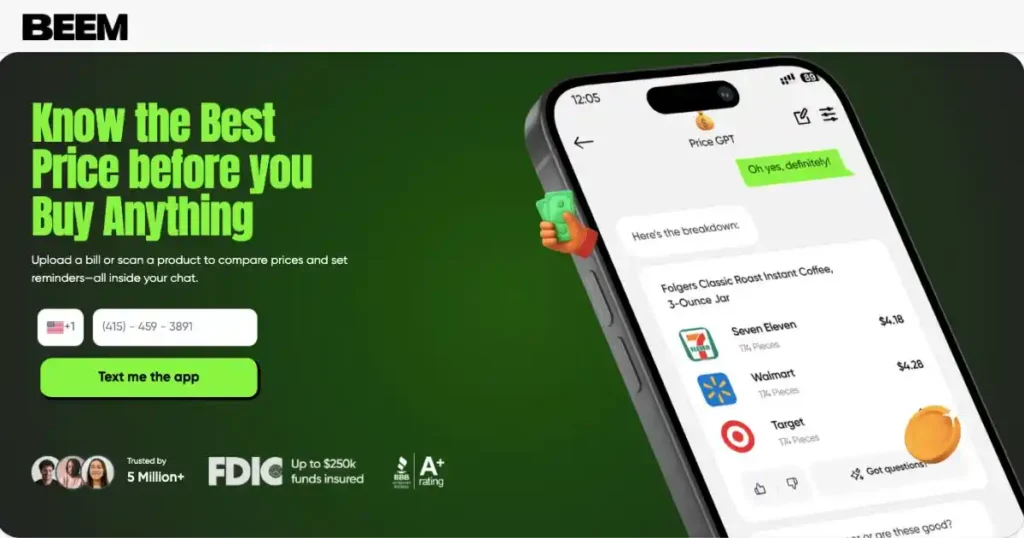
Tools That Help You Find the Best Value
Shopping decisions become clearer with the tools for price comparisons and spending awareness. Here are some tools that assist shoppers:
Price Comparison Tools
Price comparison tools collect listings from retailers and show them together. This helps shoppers quickly review offers, compare product details, and find options that give value before buying.
Deal Discovery and Savings Apps
Deal discovery apps highlight verified discounts across retailers and product categories. Of just chasing the lowest price, these apps help shoppers find quality products that offer real savings and long-term value.
Budgeting and Spending Insights
Knowing how to spend money helps customers make decisions. Here are features that support financial awareness:
Tracking Spending Over Time
Monitoring spending reveals patterns in purchases. This helps users see where their money goes and where they can save.
Alerts for Unusual Spending
Spending alerts inform the user when a transaction is unusually large. This will encourage taking a close look at spending and avoiding overspending without realizing it.
Deal Discovery in One Place
Shoppers can view discounts in one place because of centralized deal discovery. This simplifies the process of assessing products based on value rather than mere price.
There are apps such as Beem that combine tools with deal discovery to help make smarter shopping choices.
Read: How AI Helps You Simulate “What If” Scenarios Before Making Big Money Decisions
Smart Shopping Habits That Focus on Value
Good shopping habits start with recognizing the value of a fair price. Here are some habits that help shoppers make decisions before buying.
Set a Budget Based on Quality Needs
A quality-based budget can be used to balance the cost and reliability. This will help you to select products that best suit you without necessarily wasting money.
Avoid Impulse Purchases Based on Price Alone
A low price may be tempting; however, smarter shopping is time-consuming. Assessing the usefulness of a product will prevent buying products that appear appealing but have little value.
Think Long-Term Before Buying
Consider the product’s life cycle and usage frequency. Durable items usually offer more value than cheaper options.
The Long-Term Benefits of Choosing Value Over Price
Shopping can seem easier when you focus on price. But choosing value over the option often leads to better financial outcomes. Here are some long-term benefits to consider.
Lower total spending over time
With better quality, the products tend to be durable. A small additional expense in the short term may lead to fewer replacements and lower overall costs in the long term.
Fewer replacements and repairs
Good products require less maintenance and fewer repairs. Shoppers save on the cost of making cheaper purchases as items are durable.
Less financial stress from repeated purchases
Selecting long-lasting products will prevent unnecessary spending and eliminate the burden of constantly changing them.
Check this out: AI Insights for Gig Workers Balancing Multiple Income Streams and Irregular Checks
Conclusion
Choosing the cheapest option might feel like the easiest way to save—but as we’ve seen in Why The Cheapest Price Isn’t Always The Best Choice, it doesn’t always lead to the best outcome. True value comes from balancing cost with quality, longevity, and overall usefulness. When you start looking beyond the price tag, you make decisions that support your finances in the long run—not just in the moment.
This is where having the right tools can completely shift your approach. With BudgetGPT, you can plan purchases based on what you actually need and can afford—reducing the temptation to go for the cheapest option blindly. PriceGPT helps you assess whether a product is fairly priced, so you’re not sacrificing value for a small upfront saving. JobsGPT gives you ways to grow your income, making it easier to prioritize quality where it matters. And with DealsGPT, you can still find genuine savings—without compromising on smarter choices.
Together, these tools—powered by Beem—help you make better decisions, stay in control, and spend with confidence in real life.
Ready to move beyond “cheap” and start choosing smart? Download the Beem app today on the Apple App Store or the Google Play Store and make every purchase count.
FAQs
Why is the cheapest product not always the best choice?
The lowest-priced product may be of low quality in materials or cuts. In the long run, you will pay more in terms of replacement or repairs than you saved.
How do I calculate a product’s true value?
A comparison of quality, durability, functionality, and total ownership cost should be conducted to determine the real value. Just consider the product’s duration to determine whether the price is justified.
What is the cost per use, and why does it matter?
Cost per use is the cost of purchase divided by the product’s frequency of use. This helps determine whether it can yield long-term value.
How can I find the best value when shopping online?
To maximize profit, compare prices, read reviews, and check features and durability. Prices and usefulness can be balanced with tools like PriceGPT.
When is it okay to choose the cheapest option?
It is all right to select items that are used infrequently, temporarily, or when their quality is not very different.