

Table of Contents
Shopping online is supposed to make life easier—but it often ends up costing more than expected. Between flash sales, dynamic pricing, hidden fees, and endless product options, it’s surprisingly easy to overpay without even realizing it. You might see a “limited-time deal” or a crossed-out original price and assume you’re saving money, when in reality, prices may have been inflated or changed based on demand, timing, or even your browsing behavior. The problem isn’t careless spending—it’s the lack of clear, real-time information.
Online retailers use sophisticated algorithms that adjust prices constantly, making it nearly impossible for the average shopper to track what’s actually a good deal. That’s where AI-powered financial tools are reshaping the experience. Instead of relying on guesswork, you can make informed decisions backed by data.
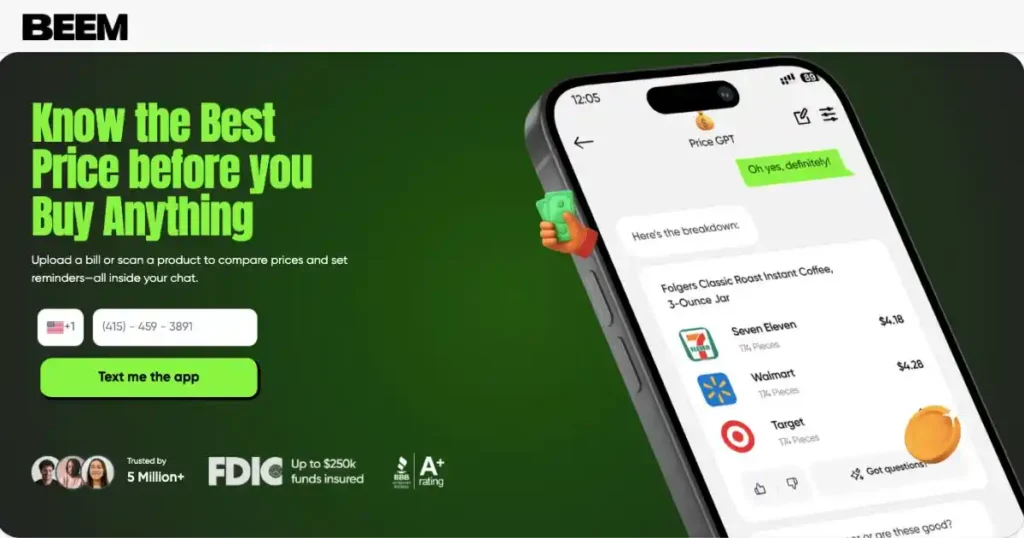
Platforms like Beem bring everything together in one place. With BudgetGPT, you can set spending limits that keep you grounded before you even start browsing. PriceGPT helps you verify whether you’re getting the best price, while JobsGPT opens up opportunities to boost your income. Add DealsGPT, and you can discover genuine savings without falling into marketing traps.
In this blog, we’ll break down How to Avoid Overpaying When Shopping Online—so you can shop smarter, not harder.
Why Is It Easy To Overpay Online?
Shopping online is convenient, and this can conceal the real cost. Quick checkouts, appealing offers, and easy payment methods reduce the time you spend comparing prices before you buy.
The Hidden Costs of “Easy” Shopping
Small details at checkout can increase the total amount. Here are some hidden costs:
- Delivery fees and service charges: Shipping and handling charges may be hidden costs that increase the overall price, even when the product appears low.
- Quick purchasing reduces price awareness: With fast checkouts, there is no time to delay payment, so a customer may miss a better deal.
Read: The Real Reason “Sale Prices” Are Confusing
Common Reasons People Pay More Than Necessary
Online buying often happens fast and can make one spend more than anticipated. Here are typical habits that make shoppers spend more:
Not Comparing Prices
Buying from the website that appears in search results often feels convenient. However, skipping comparisons may hide options that are available on other platforms.
Falling for Fake Discounts
Some promotions display inflated original prices before showing a discount. This strategy makes percentage discounts look spectacular when the final price is close to the normal rate.
Ignoring Shipping, Taxes, and Fees
Small extra fees are usually applied during checkout. Shipping, taxes, and service charges might not be big. Together, they add up to the total payment.
Impulse Purchases During Flash Sales
Flash sales often create urgency through limited-time offers. This pressure promotes immediate buying before customers start shopping for prices or consider whether they need the products.
Check this out: How PriceGPT Integrates with DealsGPT for Maximum Savings?
The Real Cost of Overpaying on Everyday Purchases
Small overpayments in online shopping may seem small at first. Here are some of the ways these incremental expenses can quietly impact your pockets in the long run.
Small Price Differences Add Up
Paying a bit more for items may seem harmless. Repeated small differences across frequent purchases can slowly increase your monthly spending. This limits your budget’s flexibility.
Less Money for Essentials and Savings
Excessive spending on purchases implies reduced finances for essential needs. This will eventually constrain your savings and damage your financial health in the long run.
Increased Reliance on Cash Advances
Small overpayments often can be close to your budget. It can make you dependent on economic salvaging.
Smart Ways to Avoid Overpaying Online
Online shopping can be less expensive when you prepare your shopping. Here are some habits that will help you spend less.
Always Compare Prices Before Buying
Compare prices across two or three websites to find better deals. The habit will help you avoid depending on a single retailer and increase your confidence in your decision.
Look at Price History
Looking at the price history of a product reveals changes in its cost. This helps you identify actual discounts rather than deals that appear to be good.
Check the Total Cost, Not Just the Item Price
The price listed for a product is hardly the amount you pay. Shipping, taxes, and charges can be quite swift at checkout.
Use Coupons and Cashback Offers
Coupons and cashback programs are ways to save money. Using these with smart price comparisons can give you the best value.
Also read: Stop Paying the “Lazy Tax”: How DealsGPT & PriceGPT Automate Savings
Tools That Help You Pay the Lowest Price
Many tools make it easy to save money when shopping online by automatically finding deals. Here are some helpful tools for buying decisions.
Price Comparison Tools
Price comparison tools collect the listings of different retailers and present them in a single location. This will help shoppers compare their offers and identify better prices before making a purchase.
Price Drop Alerts
Price drop alerts are tools that monitor product prices and notify shoppers when prices drop. This is because such alerts allow buyers to wait for better deals rather than buying at an inflated price.
Deal Discovery and Budgeting Apps
Modern apps merge deal discovery with budget management. Here are key features that help with smarter spending.
Real-time spending insights
Real-time spending is monitored to track the flow of money during day-to-day purchases. This will help users understand how they spend and identify areas where they can reduce expenses.
Deal and discount tracking
Deal and discount tracker identifies confirmed offers from various retailers. This enables the shopper to discover genuine savings without having to scroll through different sites.
Alerts for Unusual Transactions
Alerts for unusual transactions let users know when their spending habits change suddenly. This prompts a careful review of purchases and helps maintain control over finances.
Apps like Beem combine deal discovery with budgeting insights. Such tools help users save unnecessary money and get better offers from various retailers.
Habits That Prevent Online Overspending
Smart habits make online shopping easier. These are just some of the easy steps that you need to take to prevent unnecessary expenditures.
Follow the 24-Hour Rule.
Delay the purchase of non-essential goods. This is to help you consider whether the purchase will be essential after the initial excitement has passed.
Shop With a Clear Budget
Limit your spending before going online. A clear budget helps you make mindful choices and stops small purchases from adding up.
Make a List Before You Shop
Make a pre-shopping list to narrow down what you need. Planned purchases will also help you avoid tempting discounts that lead to unnecessary spending.
Signs You’re Overpaying Online
You can get sucked into spending online. It is possible to spot the signs, change habits, and make overspending the norm before it is too late. Here are some signals you are paying too much:
You feel buyer’s remorse after purchases.
It could be an indication that you made a quick decision on buying something online, as long as you regret it immediately after. This often happens when the item seems unnecessary or too expensive.
You’re surprised by your monthly statements.
High monthly statements can show how small purchases add up. While each online transaction may seem minor, it can greatly raise your total spending.
You frequently rely on last-minute cash solutions.
If you often rely on cash, fixing your spending might cost more than you planned. Small overpayments in online shopping may create financial pressure in the future.
Long-Term Benefits of Smarter Online Shopping
Even minor modifications to online shopping will yield significant financial benefits in the long run. Here are some long-term benefits of shopping.
Lower Monthly Expenses
Regular price comparisons and avoidance of buying can reduce overall expenditure. Even small savings on daily goods can add up to huge sums of money each month and create additional budgetary space.
Better Control Over Your Finances
Smart shopping will make you realize how your money is spent. By planning purchases and comparing prices, you will have clear spending decisions and, hence, control.
Faster Progress Toward Financial Goals
Set aside a little at a time, and it adds up. The money that disappeared in spending could be saved for an emergency fund or for long-term planning.
Read: How PriceGPT Compares Everyday Prices So You Stop Overpaying Without Thinking About It
Conclusion
Overpaying online doesn’t usually come down to one big mistake—it’s the result of small, repeated decisions made without the right information. As we’ve explored in How to Avoid Overpaying When Shopping Online, the goal isn’t just to spend less, but to spend smarter. When you understand how pricing works—and have the right tools to guide you—you can shop with confidence instead of constantly second-guessing your choices.
That’s where AI-powered support makes a real difference. With BudgetGPT, you stay in control of your spending by setting clear, realistic limits before you even start browsing. PriceGPT helps you cut through misleading discounts and verify whether a deal is actually worth it. JobsGPT gives you opportunities to increase your earning potential, so your financial strategy isn’t just about saving—but also growing. And with DealsGPT, you unlock additional savings without the noise or pressure of constant promotions.
Together, these tools—powered by Beem—help you make better decisions, stay in control, and actually use your financial plan in real life.
Ready to stop overpaying and start shopping smarter? Download the Beem app today on the Apple App Store or the Google Play Store and take control of every dollar you spend.
FAQs
1. What is the easiest way to avoid overpaying online?
The easiest way to prevent overpayment on the Internet is to compare prices on various sites. Always verify the total cost at checkout before purchasing anything.
2. How can I tell if an online discount is real?
Review the price record, compare the product with other retailers, and verify the final price, including taxes and shipping. This can be used to determine whether a discount exists.
3. Do price comparison tools really save money?
Yes, sellers list prices on price comparison tools. This will enable shoppers to get more attractive deals and avoid excessive spending.
4. Why do small online purchases add up so quickly?
Small online purchases seem harmless. Frequent spending on minor items can increase monthly costs. This may result in increased expenses beyond the expected.
5. What apps can help me avoid overspending online?
The Beem app tracks spending and compares prices from retailers. It offers tools like PriceGPT that make online shopping easier and help you avoid overspending.